From Siberia to Your Home: Everything You Need to Know About Samoyeds
Welcome to the world of Samoyeds! These fluffy, friendly dogs have a rich history that stretches back centuries. From their origins in Siberia to their role as beloved companions today, Samoyeds have earned their place as one of the most cherished dog breeds. In this article, we will explore everything you need to know about Samoyeds, from their physical characteristics and temperament to their grooming needs and health considerations.
The Origins of Samoyeds
The Samoyed breed has its roots deep in Siberian history, where they were bred by the nomadic Samoyede (now called Nenets) people. These hardy dogs were essential to the survival of the indigenous tribes, helping them pull sleds across vast snowy landscapes and guarding their reindeer herds. The Samoyedes valued these dogs highly, even sleeping alongside them for warmth during the harsh Siberian winters. Their loyalty and adaptability made them indispensable companions.
Physical Characteristics
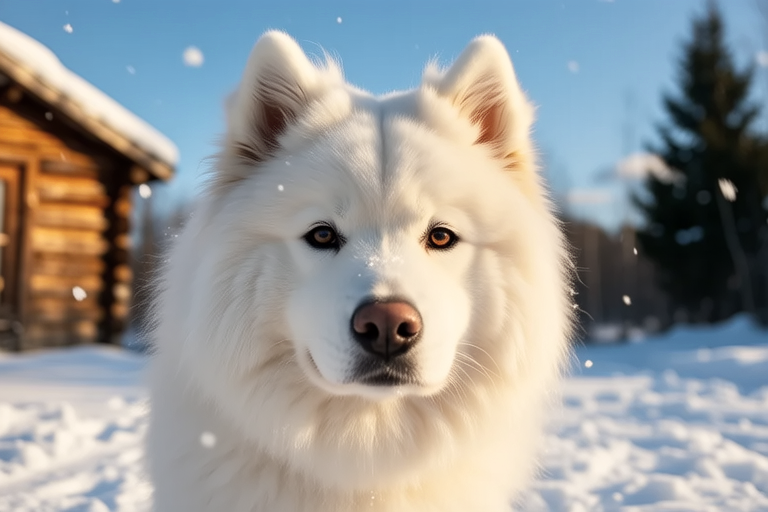
Samoyeds are known for their striking appearance, with their thick, double-layered coats that come in shades of white, cream, or biscuit. This coat serves multiple purposes, providing insulation against cold temperatures and protection from the elements. Their eyes are typically dark brown, set wide apart, giving them a gentle and expressive gaze. Their ears are triangular and alert, and their tails are often curled over their backs, adding to their distinctive look. With their robust bodies and strong limbs, Samoyeds are well-built for endurance and strength.
Temperament
Samoyeds are renowned for their friendly and sociable nature. They are affectionate towards their families and are known to be gentle with children, making them excellent family pets. Their cheerful disposition and playful spirit make them a joy to be around. However, they can also be quite vocal, so it’s important to train them early on to control their barking. Despite their friendly demeanor, Samoyeds can be wary of strangers, making them good watchdogs without being overly aggressive.
Grooming Needs
Besides their stunning looks, Samoyeds require regular grooming to maintain their luxurious coats. Their double coat sheds heavily, particularly during spring and fall, so frequent brushing is necessary to keep loose hair under control. Bathing should be done sparingly, as too much bathing can strip the natural oils from their coat. Additionally, it’s important to clean their teeth regularly and trim their nails to prevent overgrowth. Proper grooming not only keeps your Samoyed looking their best but also helps prevent skin issues and other health problems.
Exercise Requirements
Samoyeds are energetic dogs that require ample exercise to stay healthy and happy. Regular walks, playtime in a secure area, and opportunities to run are essential. They thrive on mental stimulation as well, so incorporating games and activities that challenge their minds can help keep them engaged. While they enjoy outdoor activities, it’s important to remember that they are sensitive to heat and should not be overexerted in hot weather. Providing them with plenty of exercise will help them burn off excess energy and prevent destructive behavior.
Health Considerations
Like all dog breeds, Samoyeds are prone to certain health conditions. Hip dysplasia, progressive retinal atrophy, and diabetes are some of the more common issues. Regular veterinary check-ups are crucial to catch any potential health problems early. Maintaining a healthy weight through proper diet and exercise is key to preventing obesity-related illnesses. It’s also important to note that Samoyeds are susceptible to overheating, so ensure they have access to shade and cool water during warm weather.
Dietary Tips
A balanced diet is vital for the overall health and well-being of your Samoyed. High-quality dog food that meets their nutritional needs is essential. Consult with your veterinarian to determine the appropriate amount and type of food based on your dog’s age, size, and activity level. Avoid overfeeding, as obesity can lead to various health complications. Fresh water should always be available, especially during hot weather. Treats should be given sparingly and should complement, not replace, their regular meals.
Training Techniques
Samoyeds are intelligent and eager to please, which makes them generally easy to train. However, their independent streak can sometimes pose a challenge. Positive reinforcement methods, such as treats and praise, work well for encouraging desired behaviors. Consistency is key when training Samoyeds; establishing clear rules and routines will help them understand what is expected of them. Early socialization is also important to ensure they grow up to be well-adjusted and confident dogs.
Advice for New Owners
If you’re considering bringing a Samoyed into your home, there are a few things to keep in mind. First, be prepared for the commitment involved in caring for a large, active dog. Samoyeds require time and attention, so make sure you have the resources and space to meet their needs. Research reputable breeders to find a healthy puppy, and consider adopting from a rescue organization if possible. Finally, be patient and loving as you build a bond with your new furry friend. With proper care and training, Samoyeds can become loyal and loving companions for many years.
Conclusion
From their origins in Siberia to their role as cherished family pets today, Samoyeds have much to offer. Their striking appearance, friendly temperament, and loyalty make them a wonderful choice for those seeking a loving and active companion. By understanding their unique needs and providing proper care, you can ensure that your Samoyed lives a long and healthy life. Whether you’re a seasoned dog owner or new to the experience, welcoming a Samoyed into your home is sure to bring joy and companionship.
