Unraveling the Mystique: Life with a Chilean Rose Tarantula
The Chilean Rose tarantula, also known as Grammostola rosea, has long captivated the imaginations of both seasoned reptile enthusiasts and novices alike. These creatures have an air of mystique that sets them apart from other pets, and they often find themselves at the center of various misconceptions. While some fear them due to their size and appearance, others are drawn to their unique allure and gentle nature. In this article, we will delve into the world of the Chilean Rose tarantula, exploring their physical attributes, behavior, dietary needs, and the responsibilities involved in caring for one.
The Unique Allure and Misconceptions
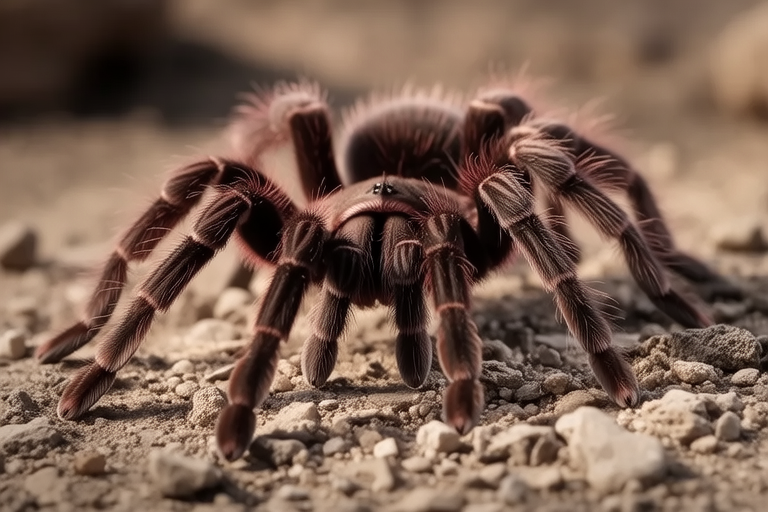
One of the most common misconceptions about tarantulas is that they are aggressive and dangerous. The truth is, Chilean Rose tarantulas are quite docile and rarely bite unless provoked. Their striking appearance, with a mix of brown, pink, and black hues, adds to their appeal. They are relatively small compared to other tarantula species, making them an excellent choice for those new to exotic pets. However, it’s important to remember that while they may look intimidating, they are generally harmless to humans.
Physical Characteristics
Chilean Rose tarantulas possess a distinct physical appearance that makes them easily recognizable. Adult females typically reach lengths of around 4 to 5 inches, while males are slightly smaller. Their legs are covered in fine hairs, which help them sense vibrations in their environment. These hairs also play a role in defense mechanisms, as the tarantula can release them when threatened, causing irritation to predators. The abdomen of the Chilean Rose tarantula is usually a deep brown or black, with a rose-colored carapace, hence the name.
Typical Behavior
These spiders are primarily nocturnal, meaning they are most active during the night. During the day, they prefer to stay hidden in their burrows or under cover. Their behavior is largely influenced by their natural habitat, which consists of arid regions such as deserts and scrublands. In captivity, they exhibit a range of behaviors, including hunting, molting, and resting. Observing their interactions with their surroundings can be fascinating, providing insight into their natural instincts.
Dietary Needs
Feeding a Chilean Rose tarantula is straightforward but requires attention to detail. In the wild, they feed on insects like crickets, grasshoppers, and small lizards. As pets, they can be fed appropriately sized crickets or mealworms. It’s essential to gut-load the prey items with nutritious foods to ensure your tarantula receives adequate nutrients. Feeding frequency depends on the age and size of the spider; younger tarantulas require more frequent feeding than adults. Overfeeding can lead to obesity, so maintaining a balanced diet is crucial.
Setting Up an Appropriate Habitat
Creating a suitable habitat for your Chilean Rose tarantula is key to ensuring its health and well-being. The enclosure should be spacious enough to allow for movement and provide hiding spots. A terrarium measuring at least 10 gallons is recommended for a single adult tarantula. Substrate should consist of coconut fiber or a mixture of sand and soil, allowing for burrowing. Temperature and humidity levels must be carefully controlled, with temperatures ranging from 75 to 85 degrees Fahrenheit and humidity levels maintained at approximately 60%. Proper ventilation is also necessary to prevent mold growth.
Handling Techniques
While handling your tarantula can be a rewarding experience, it should be done with caution. Always wash your hands before and after handling to avoid transferring oils or chemicals that could harm the spider. Gently scoop the tarantula from its enclosure, supporting its body with both hands. Avoid squeezing or pinching, as this can cause stress or injury. Regular handling can help build trust between you and your pet, but it’s important to respect their need for solitude and not handle them too frequently.
Common Health Issues
Like any pet, Chilean Rose tarantulas are susceptible to certain health issues. One common problem is dehydration, which can occur if the humidity levels in the enclosure are too low. Ensuring proper hydration is vital, as tarantulas rely on moisture to regulate their bodily functions. Another issue is mite infestations, which can be introduced through contaminated prey or substrate. Regular cleaning of the enclosure and quarantine of new additions can help prevent this. Monitoring your tarantula for signs of illness, such as lethargy or refusal to eat, is crucial for early intervention.
Responsibilities and Rewards
Owning a Chilean Rose tarantula comes with its share of responsibilities. Providing a safe and stimulating environment, along with regular care and maintenance, requires dedication. However, the rewards are immeasurable. Watching your tarantula grow and thrive brings a sense of accomplishment and joy. The bond that develops between owner and pet is unique, offering a deeper connection and understanding of these fascinating creatures.
The Educational Value and Fascination
Beyond the immediate satisfaction of caring for a Chilean Rose tarantula, there is significant educational value in keeping one as a pet. Learning about their biology, behavior, and conservation status can broaden your knowledge and appreciation for these incredible animals. Sharing this knowledge with others can inspire curiosity and promote awareness of the importance of biodiversity. The fascination that these creatures bring into one’s life is undeniable, making them an excellent addition to any home.
Conclusion
In conclusion, life with a Chilean Rose tarantula offers a unique and enriching experience. By understanding their physical characteristics, behavior, and care requirements, you can provide a loving and supportive environment for your pet. While there are challenges to consider, the joys and educational benefits far outweigh any difficulties. Embracing the mystique of these arachnids allows for a deeper connection and a greater appreciation of the natural world. Whether you’re a seasoned enthusiast or a curious novice, the Chilean Rose tarantula promises to be an unforgettable companion.
