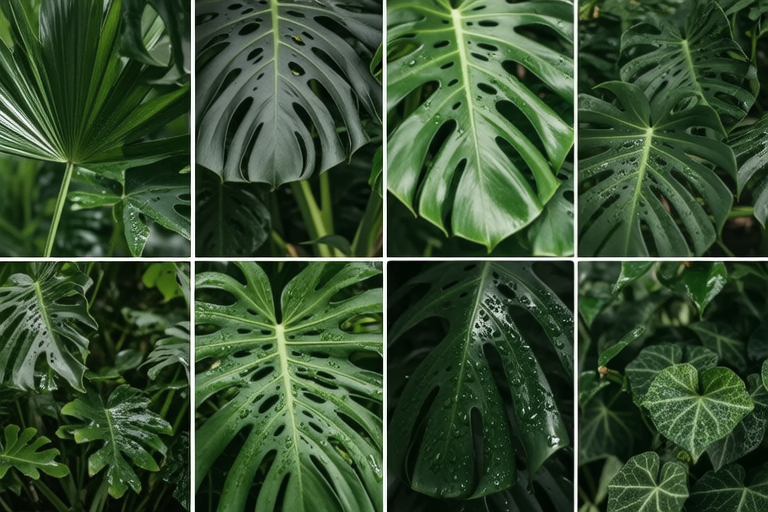
Top 10 Plants That Will Make Your Chameleon Happy and Healthy
Welcome to the fascinating world of chameleons! These unique reptiles hail from diverse regions across Africa and Madagascar, where they thrive in lush, green environments. In their natural habitats, chameleons feast on a wide array of insects while navigating through dense foliage. To ensure your pet chameleon leads a happy and healthy life, it’s essential to recreate aspects of this natural environment within its enclosure. This includes providing the right balance of plants that offer nutritional benefits, climbing opportunities, and mimicry of their native surroundings. Below are ten top plants that will make your chameleon feel at home.
1. Ficus Elastica (Rubber Plant)
The Ficus elastica, commonly known as the rubber plant, is an excellent choice for chameleon enthusiasts. Its large, glossy leaves provide ample space for your chameleon to climb and hide, simulating the canopy of a tropical forest. Additionally, the plant produces small berries that can serve as a treat for your chameleon. The rubber plant is easy to care for, requiring indirect sunlight and regular watering. Replace the plant every 3-4 months to prevent soil-borne pathogens from affecting your chameleon.
2. Schefflera Arboricola (Dwarf Schefflera)
The Dwarf Schefflera, also known as the umbrella tree, offers dense foliage that provides hiding spots and perches for your chameleon. It is relatively low-maintenance, thriving in bright, indirect light and needing moderate watering. Prune regularly to maintain a compact shape and replace the plant annually to keep it fresh and healthy.
3. Philodendron Xanadu
This robust plant features broad, heart-shaped leaves that create a dense, jungle-like atmosphere in your chameleon’s enclosure. The Philodendron Xanadu is resilient and can withstand a range of lighting conditions, though it prefers indirect sunlight. Water when the top inch of soil feels dry. Replace the plant every 6-8 months to ensure it remains vibrant and free from potential pests.
4. Pothos (Epipremnum Aureum)
Pothos, or Epipremnum aureum, is an ideal plant for beginners due to its hardiness. It has trailing vines that offer climbing opportunities for your chameleon. Place it near a window but out of direct sunlight to avoid leaf burn. Water when the soil is nearly dry. Replace the plant every 6-8 months to maintain its health and appearance.
5. Monstera Deliciosa (Swiss Cheese Plant)
The Monstera deliciosa, or Swiss cheese plant, is renowned for its large, perforated leaves that add an exotic touch to any enclosure. It provides numerous climbing opportunities and can help humidify the air around your chameleon. Position it near a window with filtered sunlight. Water when the topsoil is dry. Replace the plant every 6-8 months to keep it thriving.
6. Dracaena Marginata (Red Edged Dracaena)
Dracaena marginata, or red-edged dracaena, boasts striking red edges on its long, thin leaves, making it an attractive addition to your chameleon’s enclosure. It requires bright, indirect light and moderate watering. Trim any yellowing leaves to promote new growth. Replace the plant every 12 months to maintain its health and appearance.
7. Fiddle Leaf Fig (Ficus Lyrata)
The fiddle leaf fig, or Ficus lyrata, is characterized by its large, glossy leaves that resemble violins. This plant adds a touch of elegance to your chameleon’s living space. It prefers bright, indirect light and should be watered when the soil is dry to the touch. Replace the plant every 12 months to ensure it remains vibrant and pest-free.
8. Spider Plant (Chlorophytum Comosum)
The spider plant, or Chlorophytum comosum, is known for its arching leaves and ability to produce baby plants. It provides both climbing and hiding spaces for your chameleon. Place it in a spot with bright, indirect light and water when the soil feels dry. Replace the plant every 6-8 months to maintain its health and appearance.
9. Areca Palm (Dypsis Lutescens)
The Areca palm, or Dypsis lutescens, is a popular choice for adding height and visual interest to your chameleon’s enclosure. It requires bright, indirect light and moderate watering. Replace the plant every 12 months to ensure it remains healthy and pest-free.
10. Maidenhair Fern (Adiantum Capillus-Veneris)
The maidenhair fern, or Adiantum capillus-veneris, brings a delicate, airy look to your chameleon’s habitat. It thrives in high humidity and partial shade. Mist the plant daily to maintain moisture levels. Replace the plant every 6-8 months to keep it looking fresh and healthy.
Maintaining a Healthy Plant Ecosystem
To maintain a healthy plant ecosystem within your chameleon’s enclosure, variety is key. Incorporate a mix of different plants to provide a range of textures, colors, and heights. Regularly monitor the plants for signs of pests or disease, and promptly address any issues. Prune dead or dying leaves to encourage new growth and improve air circulation. Additionally, ensure proper ventilation within the enclosure to prevent excess moisture buildup, which can lead to mold and mildew. By following these guidelines, you’ll create a thriving, naturalistic environment that will keep your chameleon happy and healthy.
