Top 10 Myths About Keeping a Fancy Rat as a Pet Busted!
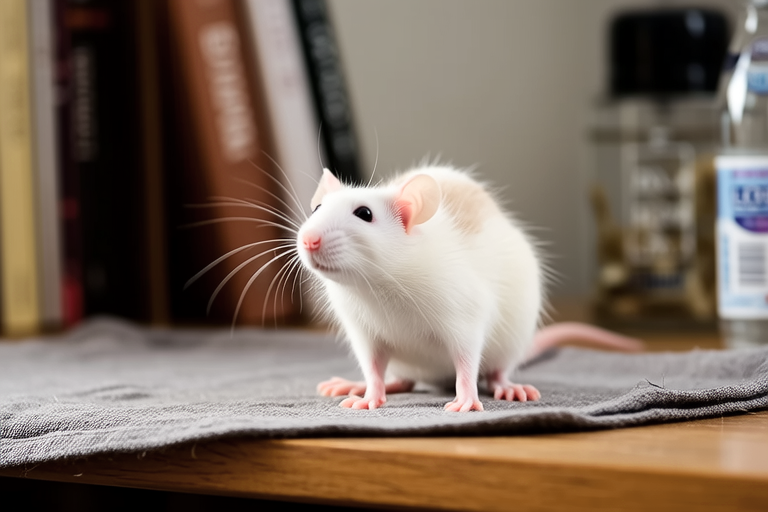
Fancy rats, also known as domesticated rats, have become increasingly popular as pets over the past few decades. Their small size, intelligence, and playful nature make them ideal companions for people of all ages. Despite their growing popularity, many misconceptions about these animals persist, often deterring potential owners. This article aims to debunk ten common myths surrounding fancy rats, providing factual evidence to help you understand why they are such wonderful pets.
Myth 1: Rats Are Dirty and Unhygienic
Statement of the Myth: Many people believe that rats are dirty animals that spread diseases easily.
Debunking the Myth: In reality, fancy rats are quite clean animals. They spend a significant portion of their day grooming themselves, similar to cats. With proper care and regular cleaning of their living environment, rats can be as hygienic as any other pet. Additionally, rats are less likely to carry zoonotic diseases than many other common pets like dogs and cats. It’s crucial to maintain good hygiene practices, such as washing your hands after handling them and keeping their cage clean.
Myth 2: Rats Smell Bad
Statement of the Myth: There is a widespread belief that all rats have a strong, unpleasant odor.
Debunking the Myth: While wild rats may indeed have a strong smell, this is not the case for fancy rats. When kept in a clean environment and provided with adequate ventilation, fancy rats do not produce a noticeable odor. Regular cage cleaning and using appropriate bedding materials can further reduce any potential smells. Proper diet and health management also play key roles in maintaining a pleasant-smelling pet.
Myth 3: Rats Spread Disease Easily
Statement of the Myth: Another misconception is that rats are disease carriers and can easily spread illnesses to humans.
Debunking the Myth: The risk of contracting diseases from a healthy, well-cared-for fancy rat is minimal. Common diseases associated with wild rats, such as leptospirosis and hantavirus, are not typically found in domesticated rats. However, it’s important to practice good hygiene and ensure regular veterinary check-ups to prevent any potential health issues. Responsible ownership includes keeping your rat’s environment clean and monitoring its health closely.
Myth 4: Rats Are Aggressive and Bite Often
Statement of the Myth: Some people fear that rats are aggressive and will bite frequently.
Debunking the Myth: Rats are generally gentle and docile animals when handled properly. Aggression in rats usually stems from fear, improper handling, or pain. With patience and positive reinforcement training, rats can become very affectionate and enjoy interacting with their human companions. Socializing your rat early and providing safe environments for interaction can significantly reduce the likelihood of bites.
Myth 5: Rats Are Noisy Pets
Statement of the Myth: A common concern among potential rat owners is that these pets are too noisy.
Debunking the Myth: While rats do make sounds, such as chattering and squeaking, these noises are usually not disruptive. They communicate through various vocalizations, which can range from soft chirps to louder calls. These sounds are part of their natural behavior and help them interact with each other and their owners. Providing toys and activities to keep them occupied can minimize excessive noise.
Myth 6: Rats Live Very Short Lives
Statement of the Myth: Many believe that rats have extremely short lifespans, often under a year.
Debunking the Myth: Under optimal conditions, fancy rats can live up to two to three years. Factors such as genetics, diet, and living conditions play significant roles in determining their lifespan. Ensuring a balanced diet, regular exercise, and a stress-free environment can greatly enhance the quality and length of their lives. Proper healthcare and attention can help your rat thrive for several years.
Myth 7: Rats Require Minimal Care
Statement of the Myth: Some assume that caring for a rat is a low-maintenance task.
Debunking the Myth: While rats are relatively easy to care for compared to some larger pets, they still require dedicated attention. Their cages need regular cleaning, and they benefit from a varied diet rich in vitamins and minerals. Providing mental stimulation through toys and activities is essential for their wellbeing. Regular health checks and veterinary care are also necessary to ensure they stay healthy.
Myth 8: Rats Are Destructive in the Home
Statement of the Myth: There is a perception that rats will chew through everything in their path.
Debunking the Myth: While rats do have strong teeth and a tendency to chew, this behavior can be managed with appropriate supervision and environmental enrichment. Providing safe chew toys and ensuring that potentially harmful objects are out of reach can prevent damage. Training and positive reinforcement can also help redirect their chewing habits towards more acceptable items.
Myth 9: Rats Are Difficult to Train
Statement of the Myth: Some people think that rats are not trainable and cannot learn tricks.
Debunking the Myth: Rats are highly intelligent and can be trained to perform various tasks and tricks. With patience and positive reinforcement techniques, such as treats and praise, rats can learn to respond to commands and even navigate obstacle courses. Training sessions should be short and frequent to keep them engaged and interested.
Myth 10: Rats Are Not Social Animals
Statement of the Myth: It is commonly believed that rats are solitary creatures.
Debunking the Myth: Rats are actually very social animals that thrive in groups. In the wild, they live in colonies, and the same applies to domesticated rats. Keeping multiple rats together can provide them with companionship and mental stimulation. However, it’s important to introduce new rats carefully and monitor their interactions to ensure harmony within the group.
Conclusion: Caring for Your Fancy Rat
Fancy rats are intelligent, social, and rewarding pets. By understanding and addressing common misconceptions, you can provide the best possible care for your rat. Remember to maintain a clean and stimulating environment, offer a balanced diet, and give plenty of attention and love. With proper care, your fancy rat can bring joy and companionship into your life for many years.
