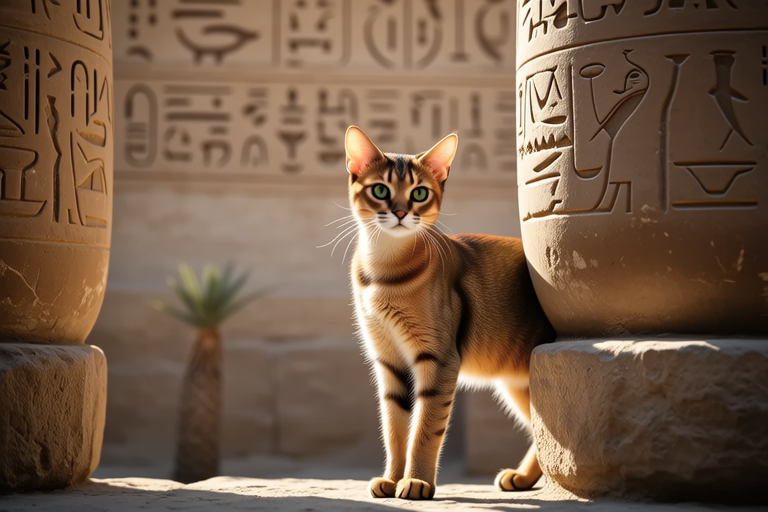
From Temple Guardians to Living Room Stars: The Journey of Abyssinian Cats
The Abyssinian cat is a breed steeped in history and mystery, its roots tracing back to ancient civilizations where it served as a revered temple guardian. Today, these elegant felines have found their place in the hearts of pet lovers around the world, transitioning from sacred animals to cherished companions in modern homes. This article delves into the fascinating journey of the Abyssinian cat, exploring its origins, physical attributes, temperament, and cultural significance.
Ancient Origins: Temple Guardians of Old Civilizations
The origins of the Abyssinian cat are shrouded in legend and lore. Historians believe that these cats originated in the regions surrounding the Red Sea, possibly in what is now Ethiopia, Egypt, or even further east in Persia. In ancient times, Abyssinian cats were highly valued for their agility, intelligence, and loyalty. They were often found in temples, where they were considered sacred and tasked with guarding against vermin and other intruders. Their sleek, muscular bodies and sharp instincts made them ideal for this role.
In Egypt, cats held a special place in society, revered for their ability to protect grain stores from rodents. It is believed that the Abyssinian was one of the breeds worshipped as deities, with statues and paintings depicting them alongside gods and pharaohs. These cats were thought to possess divine qualities, and their presence was believed to bring good fortune to their human companions.
Physical Characteristics and Unique Traits
The Abyssinian cat is easily recognizable by its distinctive ticked coat, which features bands of color along each individual hair. This gives the cat a shimmering, iridescent appearance, particularly under sunlight. The coat is typically a warm, reddish-brown (known as “ruddy”), but can also come in blue, fawn, and silver variations. Their eyes are large, expressive, and usually a striking green, though some Abyssinians have gold or hazel eyes.
Besides their stunning appearance, Abyssinians are known for their athletic build. They have long legs, a slender yet muscular body, and a graceful, high-stepping gait. Their ears are large and set wide apart, giving them excellent hearing. These physical attributes contribute to their agility and alertness, making them adept hunters.
One of the most endearing traits of the Abyssinian is its playful and curious nature. They are known for their love of toys and games, often displaying a kitten-like enthusiasm well into adulthood. Their intelligence makes them quick learners, and they enjoy interactive play with their owners. This breed also has a strong desire for attention and affection, often following their humans around the house like devoted companions.
Temperament and Personality
Abyssinian cats are renowned for their friendly and outgoing personalities. They are generally sociable and enjoy interacting with people, making them excellent companions for families and individuals alike. However, they can be somewhat independent and may not tolerate being confined for long periods. They thrive in environments where they can explore freely and engage in activities that stimulate their minds.
Despite their friendly nature, Abyssinians can be somewhat reserved with strangers. They tend to form strong bonds with their primary caregivers and may exhibit loyalty and devotion towards them. Their intelligence and curiosity often lead them to investigate new environments and objects, sometimes leading to mischief if left unsupervised. This breed’s active nature requires regular exercise and mental stimulation to prevent boredom and destructive behavior.
Transition from Sacred Animals to Beloved Pets
The transition of the Abyssinian from sacred animal to beloved pet began during the colonial era when British explorers and traders brought specimens of the breed back to Europe. These cats quickly gained popularity among aristocrats and wealthy families, who admired their exotic appearance and charming personalities. Over time, Abyssinians became more widely available through selective breeding programs, eventually becoming accessible to a broader range of pet owners.
Today, Abyssinians are celebrated in various forms of media, including literature, art, and popular culture. They have been featured in children’s books, advertisements, and even as characters in films and television shows. Their timeless elegance and charismatic demeanor make them a favorite subject for artists and photographers. In addition, Abyssinians have appeared in literary works, adding depth and charm to stories and poems.
Caring for an Abyssinian Cat
For those considering adopting an Abyssinian cat, it is important to understand their specific needs and care requirements. First and foremost, Abyssinians require plenty of social interaction and mental stimulation. They thrive in environments where they can interact with their human companions and engage in stimulating activities. Regular play sessions with interactive toys, puzzle feeders, and climbing structures can help keep them mentally engaged and physically fit.
Due to their long, fine coats, Abyssinians need regular grooming to maintain their coat’s health and appearance. Brushing once or twice a week helps remove loose hair and prevents matting. Additionally, Abyssinians should be provided with a balanced diet rich in nutrients to support their active lifestyles. Consultation with a veterinarian can ensure that the chosen food meets all of the cat’s nutritional needs.
Healthcare is another crucial aspect of caring for an Abyssinian. Like all cats, they are susceptible to certain genetic conditions, including dental issues and heart disease. Regular veterinary check-ups and preventive care can help identify and address any potential health concerns early on. Providing a safe, enriched environment that includes scratching posts, climbing trees, and hiding spots can also contribute to their overall well-being.
Conclusion
The journey of the Abyssinian cat from temple guardians to living room stars is a testament to their enduring appeal and adaptability. From their origins in ancient civilizations to their current status as cherished companions, these elegant felines continue to captivate the hearts of pet lovers around the world. By understanding their unique needs and providing proper care, owners can ensure that their Abyssinian cats live happy, healthy lives full of love and companionship.
