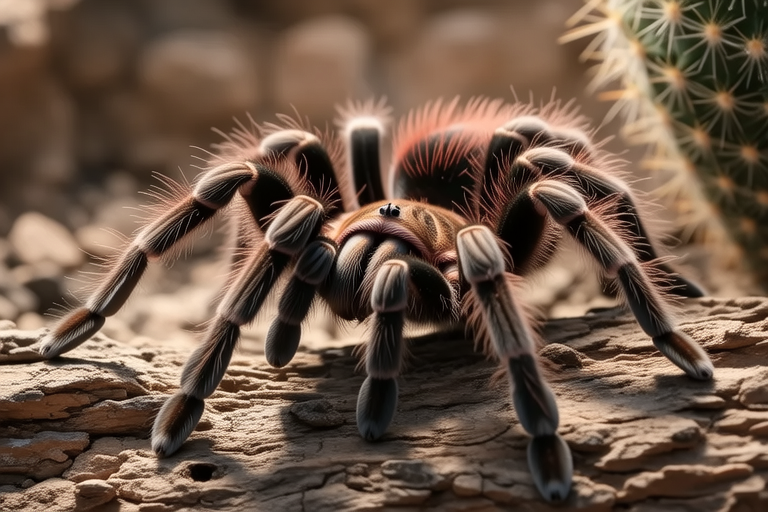
From Fear to Fascination: Why Chilean Rose Tarantulas Make Great Pets
Introduction:
When it comes to pets, few creatures evoke as much fear and fascination as tarantulas. The Chilean Rose Tarantula, Grammostola rosea, is no exception. This species, native to the deserts and scrublands of Chile, has long been a subject of both dread and admiration. In this article, we’ll explore why these captivating arachnids make excellent pets, dispelling common misconceptions and highlighting the unique joys they bring to their owners.
Addressing Common Fears
Tarantulas often elicit strong reactions due to their size, appearance, and perceived danger. Many people fear them because of their intimidating look and the myth that they are aggressive. However, the truth is quite different. Tarantulas are generally docile and only become aggressive when threatened or mishandled. Their large size and hairy appearance may seem frightening at first glance, but once you understand their behavior, they can be quite charming.
Another common fear is the misconception that tarantulas are highly venomous. While it’s true that all spiders possess venom, the Chilean Rose Tarantula’s venom is mild and comparable to a bee sting. It is not life-threatening to humans and primarily serves to subdue prey in the wild. Understanding these facts can help alleviate some of the anxiety associated with keeping a tarantula as a pet.
The Unique Charm of Chilean Rose Tarantulas
Despite their initial intimidating appearance, Chilean Rose Tarantulas possess a unique charm that captivates many owners. These spiders are relatively small, typically growing up to 4 inches in length, making them manageable for most households. Their coloration ranges from a light pink to a deep red, which gives them their name, “Chilean Rose.”
One of the most appealing aspects of owning a Chilean Rose Tarantula is their low-maintenance nature. Unlike dogs or cats, which require daily walks and attention, tarantulas are solitary creatures that spend most of their time in their enclosure. This makes them ideal for busy individuals or those who prefer a more hands-off approach to pet ownership.
Care Requirements
Proper care is essential for ensuring your Chilean Rose Tarantula thrives in its new home. Here are some key considerations:
- Housing: A glass terrarium with a secure lid is ideal. The enclosure should be spacious enough for the spider to move around comfortably. A substrate of coconut fiber or bark chips provides a natural environment and aids in maintaining humidity.
- Temperature and Humidity: Maintain a temperature between 75°F and 85°F (24°C to 29°C) and a humidity level of 60% to 70%. A shallow water dish should be provided for moisture.
- Diet: Feed your tarantula once every week or two with appropriately sized crickets, mealworms, or other insects. Juvenile tarantulas can eat smaller prey items like fruit flies.
- Cleaning: Clean the enclosure regularly to prevent mold and bacteria growth. Spot clean as needed and perform a full cleaning every few months.
Temperament and Handling
Chilean Rose Tarantulas are known for their calm demeanor and gentle nature. They are not prone to biting unless provoked, and even then, their bite is rarely painful. When handled properly, these spiders can become accustomed to human interaction. Always handle your tarantula gently and avoid sudden movements to prevent stress.
While it’s important to respect your tarantula’s space, occasional handling can be a rewarding experience. Use a soft, flat tool like a popsicle stick to gently guide the spider onto your hand. Always support the body and legs to ensure the spider feels secure.
Educational Value
Owning a Chilean Rose Tarantula offers a unique opportunity for education. These spiders provide insight into the fascinating world of arachnids and offer lessons in biology, ecology, and animal behavior. Children, in particular, can benefit from learning about these creatures, dispelling myths and fostering a sense of wonder about the natural world.
Dispelling Myths About Aggressiveness
One of the most pervasive myths about tarantulas is their supposed aggressiveness. Contrary to popular belief, Chilean Rose Tarantulas are not inherently aggressive. In fact, they are quite shy and prefer to avoid confrontation. Their defensive behaviors, such as kicking hairs or feigning death, are simply survival mechanisms designed to ward off predators.
It’s important to approach your tarantula with patience and understanding. Avoid sudden movements or loud noises, as these can startle the spider and lead to defensive actions. By providing a safe and comfortable environment, you can help your tarantula feel at ease and minimize any aggressive tendencies.
Advice for Potential Owners
If you’re considering adding a Chilean Rose Tarantula to your family, there are several steps you should take to ensure you’re prepared:
- Research: Before committing to a tarantula, thoroughly research their care requirements and ensure you have the necessary resources to provide a suitable habitat.
- Acquisition: Purchase your tarantula from a reputable breeder or pet store. Avoid wild-caught specimens, as they may carry diseases or parasites.
- Responsibility: Understand that owning a tarantula is a long-term commitment. These spiders can live for 10 years or more, so be prepared to provide consistent care throughout their lifespan.
- Community: Join online forums or local groups dedicated to exotic pets to connect with other enthusiasts and gain valuable advice.
Conclusion
From Fear to Fascination: Why Chilean Rose Tarantulas Make Great Pets highlights the unique appeal of these captivating arachnids. By dispelling common fears and myths, we hope to encourage responsible ownership and appreciation for these remarkable creatures. With proper care and understanding, Chilean Rose Tarantulas can bring joy, education, and a sense of wonder to their owners. Whether you’re a seasoned exotic pet owner or a curious beginner, these spiders offer a fascinating and rewarding companionship.
