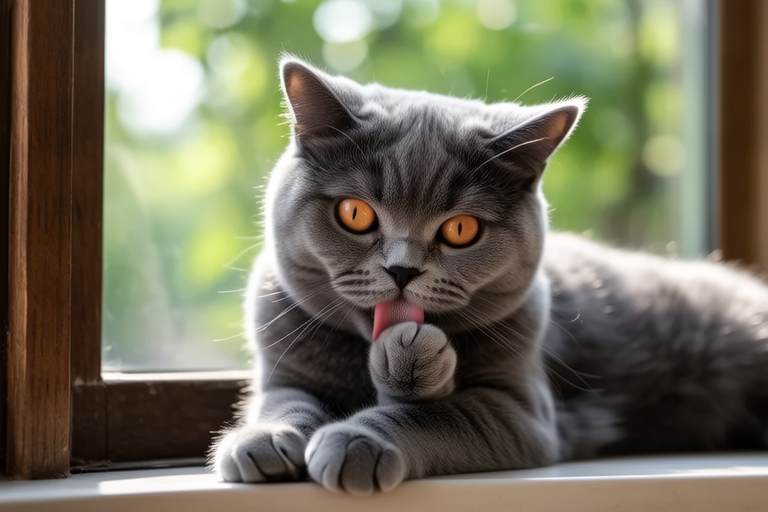
A Complete Guide to Raising a Healthy and Happy American Shorthair
Welcome to your comprehensive guide on raising a healthy and happy American Shorthair. This versatile and affectionate breed is known for its resilience and adaptability, making it an excellent choice for both first-time and experienced cat owners. From choosing the right kitten to understanding their unique needs, this guide will cover all essential aspects of American Shorthair care.
Choosing the Right Kitten
Selecting the perfect American Shorthair kitten involves considering several factors. Start by researching reputable breeders who prioritize the health and well-being of their cats. Look for kittens that display bright eyes, clean fur, and a curious demeanor. Ensure the breeder provides documentation regarding vaccinations and genetic testing. Additionally, observe the interaction between the kittens and their mother; a nurturing and attentive mother usually indicates good breeding practices.
Dietary Needs
A balanced diet is crucial for maintaining the health and vitality of your American Shorthair. High-quality commercial cat food, specifically formulated for your pet’s age and activity level, should be the foundation of their diet. Consult with your veterinarian to determine the appropriate portion sizes and feeding schedule. Incorporating a variety of proteins, vitamins, and minerals can help prevent nutritional deficiencies. Avoid overfeeding, as obesity is a common issue in many breeds, including the American Shorthair. Fresh water should always be available to keep your cat hydrated.
Exercise Requirements
American Shorthairs are moderately active and enjoy engaging in play. Interactive toys, such as laser pointers or feather wands, can stimulate their hunting instincts and provide mental stimulation. Encourage daily physical activity to maintain muscle tone and prevent weight gain. Consider setting up a climbing tree or scratching post to satisfy their natural urge to climb and scratch. Regular play sessions also strengthen the bond between you and your pet.
Grooming Tips
The short, dense coat of the American Shorthair requires minimal grooming compared to long-haired breeds. However, regular brushing helps remove loose hair and distribute skin oils, promoting a shiny coat. Use a soft-bristled brush or a rubber curry comb to gently brush your cat’s fur at least once a week. Bathing is generally unnecessary unless your cat gets into something particularly messy. Pay attention to dental hygiene by brushing your cat’s teeth regularly and providing chew toys to help reduce plaque buildup.
Common Health Issues
American Shorthairs are relatively healthy cats but may be prone to certain genetic conditions. Hypertrophic cardiomyopathy (HCM), a heart disease, is one of the most significant concerns for this breed. Regular veterinary check-ups can help detect early signs of HCM. Other potential issues include polycystic kidney disease (PKD) and hip dysplasia. Genetic testing can identify carriers of these conditions before breeding. Maintaining a healthy lifestyle, including proper nutrition and regular exercise, can help minimize the risk of developing these health problems.
Socialization Techniques
Early socialization plays a critical role in shaping your American Shorthair’s temperament. Expose your kitten to various environments, people, and other animals during their formative months. Positive reinforcement through treats and praise encourages friendly behavior towards strangers and new situations. Gradually introduce them to household routines, such as vacuum cleaners or visitors, to ensure they remain calm and comfortable. Socialized cats tend to be more confident and adaptable, leading to a happier home life.
Training Methods
While cats are independent creatures, they can still benefit from basic training. Clicker training, a popular method, uses a clicker to mark desired behaviors followed by rewards. Teach your American Shorthair simple commands like “come” or “sit” using consistent cues and treats. Consistency is key in training; repeat exercises multiple times until your cat understands the desired behavior. Reward-based training fosters a positive relationship between you and your pet while promoting good manners.
Providing a Stimulating Environment
To keep your American Shorthair engaged and mentally stimulated, create an enriching environment. Provide puzzle toys that challenge their problem-solving skills and encourage exploration. Consider adding cat trees, tunnels, or boxes to create vertical spaces for climbing and hiding. Rotate toys periodically to prevent boredom and maintain interest. Interactive playtime with you or other pets can further enhance their mental and physical well-being.
Creating a Comfortable Living Space
A cozy and inviting living space is essential for your American Shorthair’s comfort. Choose a quiet corner or room where your cat can retreat when feeling overwhelmed. Offer a variety of beds, including soft blankets or cushioned cat beds, to suit different preferences. Ensure there are multiple elevated resting spots throughout the house to mimic their natural habitat. Providing access to windows allows them to observe outdoor activities and enjoy sunlight.
Understanding Typical Behaviors
American Shorthairs are known for their gentle and friendly nature. They often enjoy companionship but can also be independent. Familiarize yourself with common behaviors, such as kneading, purring, or grooming each other, which indicate contentment and bonding. Some cats may engage in vocal communication, especially when seeking attention or expressing discomfort. Understanding these behaviors helps you respond appropriately and strengthen the bond with your pet.
Addressing Specific Care Considerations
Due to their robust build and sturdy constitution, American Shorthairs generally require less intensive care compared to some other breeds. However, they still need regular veterinary check-ups and preventive healthcare measures. Keep their nails trimmed to prevent overgrowth and discomfort. Monitor their weight and adjust feeding accordingly to avoid obesity. Regularly clean litter boxes to maintain hygiene and prevent urinary tract infections.
Raising a healthy and happy American Shorthair involves dedication, love, and attention to their unique needs. By following the guidelines outlined in this comprehensive guide, you’ll provide your cat with a fulfilling and joyful life. Remember, every cat is an individual, so tailor your approach based on your pet’s personality and preferences. With proper care and a loving environment, your American Shorthair will thrive and bring joy to your home for years to come.
