7 Common Mistakes New Betta Owners Make and How to Avoid Them
Betta fish, also known as Siamese fighting fish, have gained immense popularity among aquarium enthusiasts due to their vibrant colors and relatively low maintenance requirements. These small, elegant creatures are often seen as ideal pets for beginners or those looking for a touch of aquatic beauty in their homes. However, despite their reputation as easy-to-care-for pets, many new betta owners encounter challenges that can affect their fish’s health and wellbeing. Understanding these common pitfalls and learning how to avoid them is crucial for ensuring your betta lives a long and healthy life.
Introduction: The Appeal and Challenges of Betta Fish
The appeal of betta fish lies in their striking appearance and ease of care. They come in a variety of colors and fin shapes, making them visually appealing additions to any home. Moreover, bettas can thrive in smaller tanks, which makes them suitable for apartment dwellers or those who may not have the space for larger aquariums. Despite these advantages, many first-time owners underestimate the complexity of caring for these delicate creatures, leading to common mistakes that can jeopardize their health.
New betta owners often face challenges related to tank setup, water quality, diet, and interaction with their pet. This article aims to address seven of the most common mistakes made by new betta owners and provide practical advice on how to avoid them, ensuring a healthy and thriving environment for your fish.
Mistake 1: Insufficient Tank Size
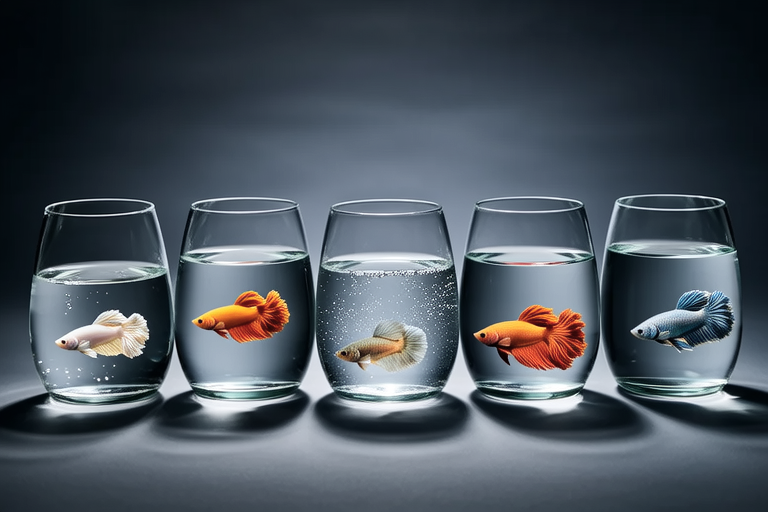
What It Is: One of the most frequent errors new betta owners make is keeping their fish in a tank that is too small. Many people believe that bettas can live happily in tiny bowls or vases, but this is far from the truth.
Why It’s Problematic: Betta fish require adequate space to swim and explore. A cramped environment can lead to stress, poor health, and even premature death. Additionally, smaller tanks are more challenging to maintain at stable temperatures and water conditions.
How to Avoid It: Ensure that your betta has at least a 2.5-gallon tank, equipped with a filter and heater to maintain optimal water quality and temperature. This size provides enough space for the fish to swim comfortably and allows for better management of water parameters.
Mistake 2: Poor Water Quality
What It Is: Another common mistake is neglecting the importance of maintaining proper water quality. Many owners assume that tap water is sufficient without treatment.
Why It’s Problematic: Tap water often contains harmful chemicals like chlorine and chloramines, which can be toxic to fish. Poor water quality leads to stress, disease, and shortened lifespans. Additionally, inadequate filtration and regular water changes can cause the buildup of toxins, further harming your betta.
How to Avoid It: Always use a dechlorinator when adding new water to the tank. Perform weekly partial water changes (about 20-30%) and ensure the tank is properly filtered. Test the water regularly for pH levels, ammonia, nitrite, and nitrate to ensure they remain within safe ranges.
Mistake 3: Inadequate Heating and Filtration
What It Is: Some new owners fail to provide proper heating and filtration systems for their bettas.
Why It’s Problematic: Bettas are tropical fish and require warm water (around 78-82°F) to thrive. Without a heater, the water temperature can fluctuate, causing stress and illness. Similarly, inadequate filtration can lead to poor water quality and the accumulation of harmful substances.
How to Avoid It: Invest in a reliable aquarium heater and filter appropriate for your tank size. Maintain a consistent temperature and ensure the filter is functioning correctly to keep the water clean and oxygenated.
Mistake 4: Overfeeding
What It Is: Overfeeding is another mistake that new betta owners frequently make. Many owners feel that feeding their fish more will result in faster growth and better health.
Why It’s Problematic: Excessive feeding can lead to obesity, digestive issues, and water pollution. Uneaten food decomposes in the tank, contributing to the buildup of ammonia and other toxins, which can harm your betta.
How to Avoid It: Feed your betta only what it can consume within two minutes, once or twice daily. Remove any uneaten food promptly to prevent water contamination. Consider using high-quality pellets or flakes specifically designed for bettas.
Mistake 5: Lack of Hiding Places
What It Is: Some owners fail to provide hiding spots for their bettas, assuming that these active swimmers don’t need such spaces.
Why It’s Problematic: Bettas need places to retreat and feel secure. Without adequate hiding spots, they may become stressed and develop behavioral issues. Stress can weaken their immune system, making them more susceptible to diseases.
How to Avoid It: Include plants, caves, or other decorations that offer hiding places within the tank. Live or silk plants work well and add aesthetic value to the aquarium while providing necessary shelter.
Mistake 6: Ignoring Tank Maintenance
What It Is: Many new owners overlook the importance of regular tank maintenance, thinking that the fish will be fine if left alone.
Why It’s Problematic: Neglecting tank maintenance can lead to a buildup of waste and toxins, creating an unhealthy environment for your betta. This can result in poor health, disease, and even death.
How to Avoid It: Establish a routine for cleaning the tank, changing water, and checking equipment. Regular maintenance ensures a stable and healthy environment for your betta.
Mistake 7: Not Providing Enough Mental Stimulation
What It Is: Some owners believe that bettas don’t require mental stimulation since they spend most of their time underwater.
Why It’s Problematic: Like all animals, bettas need mental stimulation to stay healthy and happy. Boredom can lead to behavioral issues and stress, affecting their overall wellbeing.
How to Avoid It: Introduce interactive toys or puzzles into the tank to engage your betta. Rotate these items periodically to keep things interesting and provide a stimulating environment.
Conclusion: Maintaining a Healthy Environment and Positive Relationship
In conclusion, while betta fish are popular and relatively easy to care for, new owners must be mindful of common mistakes that can harm their pets. By understanding and avoiding these pitfalls, you can create a thriving environment for your betta. Remember to provide an appropriately sized tank, maintain excellent water quality, and ensure proper heating and filtration. Feed your betta responsibly, offer hiding spots, and maintain a regular maintenance schedule. Lastly, enrich their lives with mental stimulation to foster a positive relationship between you and your pet.
With these guidelines, you’ll be well-equipped to enjoy a rewarding experience with your betta fish, ensuring they live long, healthy, and happy lives.
