Fun Facts About Red-eared Sliders That Will Amaze You
Welcome to the fascinating world of red-eared sliders! These charismatic reptiles are not just popular pets but also hold a special place in nature. Whether you’re a seasoned herpetologist or simply curious about these captivating creatures, there’s always something new to learn. From their unique physical attributes to their quirky behaviors, red-eared sliders are full of surprises. Let’s dive into some fun facts that will amaze you!
Unique Characteristics
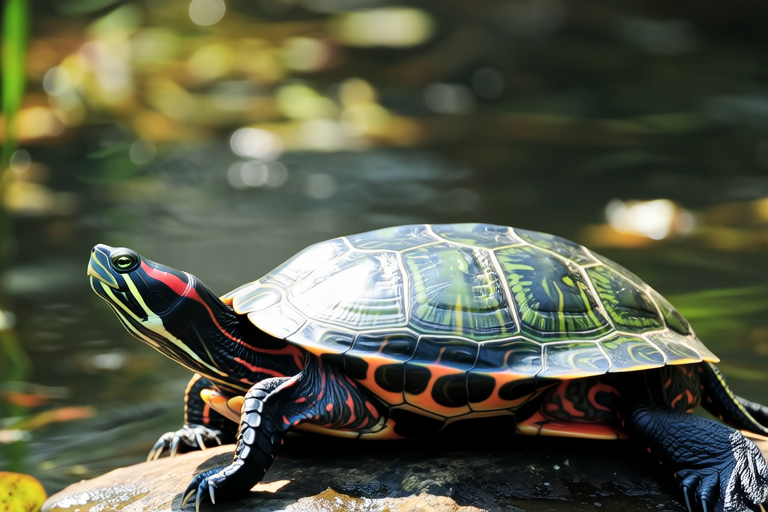
Red-eared sliders (Trachemys scripta elegans) are one of the most recognizable turtle species. Their striking appearance sets them apart from other turtles. The most distinctive feature is the bright red stripe behind each eye, which gives them their name. This vibrant marking contrasts beautifully against their dark green carapace (upper shell) and yellow stripes on their head, legs, and tail.
Their shells are another marvel. The carapace is domed and slightly flattened, providing excellent protection. In contrast, the plastron (lower shell) is flat and offers additional defense when the turtle withdraws its head, limbs, and tail inside. The plastron also has a hinge that allows it to close tightly, creating a nearly impenetrable fortress.
Behavioral Traits
Red-eared sliders are known for their lively and interactive behavior. They are semi-aquatic, meaning they spend part of their time in water and part on land. When swimming, they use their webbed feet as paddles, propelling themselves gracefully through the water. On land, they move surprisingly quickly, especially when they sense danger.
One of the most endearing behaviors is their basking habit. These turtles love to sunbathe on rocks or logs to warm up and increase their metabolic rate. This behavior is crucial for their health, as it helps them digest food more efficiently. Watching a group of red-eared sliders basking together can be quite a sight!
Habitat Details
Native to the Mississippi River Valley, red-eared sliders inhabit freshwater environments such as rivers, ponds, and lakes. They prefer areas with abundant vegetation, as this provides both shelter and food. Their natural habitats often include muddy bottoms and shallow waters, which allow them easy access to both land and water.
These adaptable creatures have also thrived in non-native regions due to accidental releases or escapes from captivity. As a result, they have become invasive species in many parts of the world, including Europe and Asia. Despite their success in various environments, it’s important to remember that introducing non-native species can disrupt local ecosystems.
Dietary Habits
Red-eared sliders are omnivores, meaning they eat both plants and animals. Younger turtles tend to be more carnivorous, enjoying a diet rich in protein. As they mature, their diet shifts towards more plant matter. In the wild, their meals might include insects, small fish, snails, and aquatic plants.
As pets, it’s essential to provide a balanced diet that mimics their natural eating habits. Commercial turtle pellets, leafy greens like romaine lettuce, and occasional treats such as earthworms or small pieces of fish can help ensure your slider stays healthy and happy.
Lifespan Information
Red-eared sliders are long-lived creatures, capable of living over 40 years in ideal conditions. However, their lifespan in captivity depends heavily on proper care. Providing a spacious tank with adequate filtration, maintaining clean water, and offering a varied diet are crucial for their longevity. Regular veterinary check-ups and a stress-free environment also contribute to their well-being.
Surprising and Lesser-Known Facts
Did you know that red-eared sliders can breathe through their skin? This unique adaptation allows them to absorb oxygen directly from the water, making them more efficient swimmers. Additionally, their ability to slow down their metabolism during colder months enables them to survive harsh winters.
Another interesting fact is their hibernation behavior. During winter, these turtles bury themselves in mud at the bottom of ponds or lakes, where they remain dormant until warmer weather arrives. This process, known as brumation, conserves energy and protects them from freezing temperatures.
Red-eared sliders also possess impressive navigational skills. Studies have shown that they can return to their home pond even after being transported long distances. This remarkable ability suggests they may use a combination of environmental cues, such as landmarks, water currents, and magnetic fields, to find their way back.
Caring for Your Red-eared Slider
If you’re considering adopting a red-eared slider, it’s important to understand the responsibilities involved. Providing the right environment is crucial. A large aquarium with a basking area, UVB lighting, and a heat lamp is necessary to simulate their natural habitat. Regular water changes and proper filtration are also vital to maintain water quality.
Handling your turtle gently is key to building trust. While they may seem tough, their soft underbellies are sensitive. Avoid picking them up by the edges of their shell, as this can cause injury. Instead, support their body fully with both hands.
Conclusion
Red-eared sliders are truly amazing creatures, full of unique characteristics and behaviors that make them fascinating subjects of study. From their vibrant markings to their adaptability and longevity, these turtles offer endless opportunities for learning and enjoyment. By understanding their needs and providing appropriate care, you can ensure a long and happy life for your pet red-eared slider.
Whether you’re an experienced turtle owner or thinking about adding one to your family, red-eared sliders are sure to bring joy and wonder to your home. So, why not dive deeper into the world of these incredible reptiles and discover even more fun facts?
