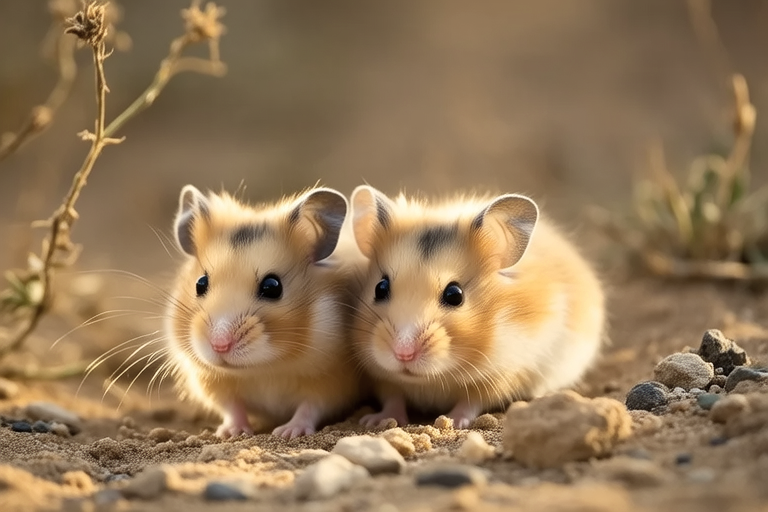
Roborovski Hamsters: Tiny Creatures with Big Personalities
Roborovski hamsters are among the smallest of all hamster species, making them popular pets for those who appreciate compact, lively animals. These diminutive creatures have unique characteristics and behaviors that set them apart from other hamsters. This article delves into the fascinating world of Roborovski hamsters, covering their size, lifespan, dietary needs, and habitat preferences. We will also debunk common myths and provide essential tips for potential owners on how to care for these energetic little pets.
The Smallest Hamster Species
Native to the deserts of Central Asia, Roborovski hamsters (Phodopus roborovskii) are the smallest of the three Phodopus species. They typically measure between 4 to 5 centimeters (1.6 to 2 inches) in length, excluding the tail, and weigh around 20 to 30 grams (0.7 to 1 ounce). Their petite stature makes them one of the most diminutive rodent pets available.
Lifespan and Longevity
With proper care, Roborovski hamsters can live up to three years in captivity. However, their average lifespan is closer to two years due to factors such as genetics, diet, and living conditions. Providing a healthy environment and diet is crucial for extending their life expectancy.
Dietary Needs
Roborovski hamsters are omnivores, meaning they consume both plant and animal matter in the wild. In captivity, their diet should consist primarily of high-quality commercial hamster food, which includes seeds, grains, and pellets. Supplementing their diet with fresh vegetables and fruits like carrots, apples, and leafy greens can offer additional nutrients. It’s important to avoid feeding them foods that are toxic to hamsters, such as chocolate, avocado, or rhubarb.
Habitat Preferences
These desert-dwelling creatures thrive in environments that mimic their natural habitat. Roborovski hamsters prefer spacious enclosures with plenty of room to run and explore. A cage with multiple levels and tunnels can help satisfy their need for activity and mental stimulation. The enclosure should be equipped with bedding made from materials like paper-based substrates or aspen shavings, ensuring it is safe and comfortable for your pet.
Myths and Misconceptions
One common myth about Roborovski hamsters is that they are nocturnal. While they are more active during the evening and night, they are actually crepuscular, meaning they are most active at dawn and dusk. Another misconception is that these hamsters are aggressive. In reality, they are quite docile and gentle, provided they are handled correctly and frequently from an early age.
Tips for Potential Owners
If you’re considering adopting a Roborovski hamster, here are some essential tips to ensure their well-being:
- Provide ample space: Roborovski hamsters require larger cages than many other small pets. A minimum of 80 x 40 x 40 cm (32 x 16 x 16 inches) is recommended to allow them to exercise and play.
- Regular handling: Handle your hamster gently but frequently to build trust and prevent stress. Start by placing your hand in their cage for short periods before attempting to pick them up.
- Safe toys: Provide appropriate chew toys, tunnels, and climbing structures to keep your hamster mentally stimulated and physically active.
- Hydration: Ensure your hamster has access to clean, fresh water at all times. A water bottle attached to the side of the cage is ideal.
- Temperature control: Maintain a temperature range of 65 to 75 degrees Fahrenheit (18 to 24 degrees Celsius) in their living area. Avoid placing their cage near drafts or direct sunlight.
- Veterinary care: Regular check-ups with a veterinarian specializing in exotic pets can help catch any health issues early and ensure your hamster remains healthy.
Conclusion
Roborovski hamsters are fascinating creatures with unique characteristics and behaviors that make them delightful companions for the right owner. By understanding their dietary needs, habitat preferences, and providing adequate space and enrichment, you can ensure your Roborovski hamster leads a happy and healthy life. Remember, these tiny pets are full of energy and require attention and care, so be prepared for a commitment that comes with the joy of having such a charming and affectionate companion.
