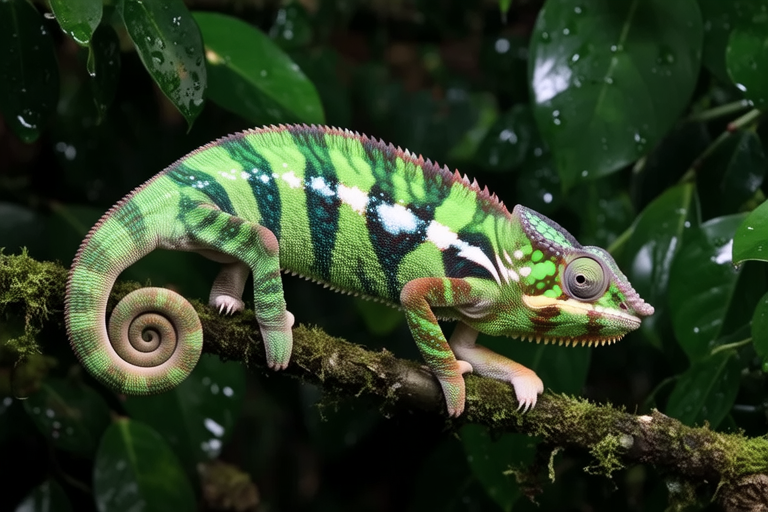
How to Create the Perfect Habitat for Your Colorful Chameleon Pet
Welcome to the vibrant world of chameleons! These fascinating creatures are known for their ability to change colors and their unique appearance. Creating the perfect habitat for your colorful chameleon is crucial for its health and happiness. In this article, we will guide you through setting up the ideal environment, including enclosure size, temperature and humidity levels, lighting, substrate, plants, and diet. We’ll also provide tips for beginners and common mistakes to avoid.
Choosing the Right Enclosure Size
The first step in creating a perfect habitat for your chameleon is selecting the right enclosure. Chameleons are arboreal, meaning they spend most of their time in trees. Therefore, they need vertical space rather than horizontal space. A general rule of thumb is that the cage should be at least twice as tall as your chameleon’s length. For example, if your chameleon is 12 inches long, the cage should be at least 24 inches tall. Larger enclosures are always better, especially for adult chameleons.
Adequate space allows your chameleon to climb, exercise, and feel secure. It also reduces stress and promotes natural behaviors. Avoid overcrowding the enclosure with too many decorations or other pets, as it can lead to stress and health issues.
Temperature and Humidity Levels
Maintaining the correct temperature and humidity levels is vital for your chameleon’s health. Chameleons are ectothermic, meaning they rely on external heat sources to regulate their body temperature. The enclosure should have a thermal gradient, with a warm side and a cool side. The warm side should reach around 85-90°F (29-32°C) during the day, while the cool side can range from 70-75°F (21-24°C).
Nighttime temperatures can drop slightly, but never below 65°F (18°C). Use a reliable thermometer to monitor these temperatures accurately. You can achieve the desired warmth by using basking bulbs or ceramic heat emitters.
Humidity is equally important. Chameleons require a humid environment, typically between 40% and 70%. This helps prevent dehydration and respiratory infections. Mist the enclosure daily with a spray bottle, ensuring that the leaves and branches are thoroughly wet. Alternatively, consider using an automatic misting system for more consistent humidity.
Suitable Lighting (UVB)
Chameleons need exposure to ultraviolet B (UVB) light to synthesize vitamin D3, which is essential for calcium absorption. Without adequate UVB, your chameleon may develop metabolic bone disease, leading to deformities and severe health issues. Choose a high-quality UVB bulb designed specifically for reptiles, and place it at the top of the enclosure. The UVB bulb should cover approximately 70% of the enclosure. Replace the bulb every six months, even if it still appears to work, as UVB output decreases over time.
In addition to UVB lighting, chameleons also benefit from full-spectrum lighting that mimics natural sunlight. This type of lighting helps maintain a day-night cycle, which is crucial for regulating your chameleon’s behavior and health.
Necessary Plants and Branches for Climbing
Providing ample climbing opportunities and foliage is essential for your chameleon’s physical and mental well-being. Use sturdy branches of varying diameters to allow your chameleon to climb and explore. Place them at different heights within the enclosure to encourage movement and exercise. Live or artificial plants are excellent for creating hiding spots and providing additional climbing surfaces. Some popular plant choices include pothos, ficus, and schefflera. Be sure to research any plants before introducing them into the enclosure to ensure they are safe for your chameleon.
Branches and plants also serve as perches for your chameleon to bask under the UVB light. Ensure that the branches are securely fastened and cannot fall, potentially injuring your pet. Arrange the branches and plants in a way that creates multiple layers, allowing your chameleon to move vertically through the enclosure.
Proper Substrate
The substrate, or bedding material, in your chameleon’s enclosure should be chosen carefully. Many substrates available in pet stores are unsuitable for chameleons, as they pose a risk of ingestion or respiratory issues. Instead, opt for a non-substrate environment, such as paper towels or newspaper. These materials are easy to clean and do not pose any risks to your chameleon.
If you prefer a more aesthetically pleasing option, consider using a layer of coconut fiber or bark chips. However, monitor your chameleon closely to ensure it does not ingest any substrate. Clean the substrate regularly to prevent the buildup of waste and bacteria.
Diet Considerations
Feeding your chameleon a balanced diet is crucial for its overall health. In the wild, chameleons primarily eat insects, such as crickets, mealworms, and dubia roaches. In captivity, you can supplement their diet with leafy greens and vegetables, such as collard greens, mustard greens, and squash. Offer a variety of food items to ensure a broad spectrum of nutrients.
It’s important to gut-load feeder insects before offering them to your chameleon. Gut-loading involves feeding the insects a nutritious diet rich in vitamins and minerals. You can purchase commercial gut-loading products or feed the insects fresh vegetables and fruits. Dust the insects with a calcium and multivitamin powder to further enhance their nutritional value.
Chameleons should be fed daily, with the amount depending on their age and size. Younger chameleons generally need smaller amounts more frequently, while adults can be fed less often. Always remove uneaten food after a few hours to prevent contamination.
Regular Cleaning Routines
Keeping your chameleon’s enclosure clean is essential for maintaining its health. Regular cleaning prevents the buildup of bacteria, mold, and parasites that can cause illness. Start by removing any uneaten food, feces, and shed skin daily. Once or twice a week, perform a thorough cleaning of the enclosure, including wiping down the walls, replacing the substrate, and cleaning the water dish.
Disinfect the enclosure using a reptile-safe cleaner and rinse it thoroughly to remove any residues. Allow the enclosure to dry completely before adding new substrate and placing your chameleon back inside. Regular maintenance will help keep your chameleon healthy and happy.
Tips for Beginners
If you’re new to chameleon ownership, here are some tips to help you get started:
- Research extensively about chameleon care before bringing one home.
- Prepare the enclosure well in advance to ensure everything is ready when your chameleon arrives.
- Observe your chameleon closely to understand its behavior and needs.
- Consult with experienced chameleon owners or veterinarians if you have any concerns or questions.
- Be patient and give your chameleon time to adjust to its new environment.
Common Mistakes to Avoid
Here are some common mistakes to avoid when caring for your chameleon:
- Overcrowding the enclosure with too many decorations or other pets.
- Using inappropriate substrates that pose ingestion risks.
- Ignoring the importance of proper temperature and humidity levels.
- Not providing enough UVB lighting or failing to replace the bulb regularly.
- Feeding an unbalanced diet or forgetting to gut-load feeder insects.
- Not cleaning the enclosure regularly, leading to bacterial growth.
Mimicking Natural Environments for Health and Well-being
Mimicking a natural environment as closely as possible is key to your chameleon’s health and well-being. Chameleons are highly sensitive animals that thrive in environments that closely resemble their natural habitats. By providing the right enclosure size, temperature, humidity, lighting, plants, and substrate, you can create a space that supports their physical and mental health. This, in turn, leads to a happier and healthier pet.
Remember, each chameleon is unique, so pay attention to your pet’s specific needs and preferences. With proper care and attention, your chameleon can live a long and fulfilling life.
