Aquarium Marvels: Why Arowanas Are More Than Just Fish
When it comes to aquarium enthusiasts, few creatures capture the imagination quite like the arowana. With their distinctive physical traits, rich evolutionary history, and significant cultural importance, these fish are far from ordinary. In this article, we will delve into the world of arowanas, exploring what makes them such fascinating subjects for aquarists and admirers alike.
Unique Physical Characteristics
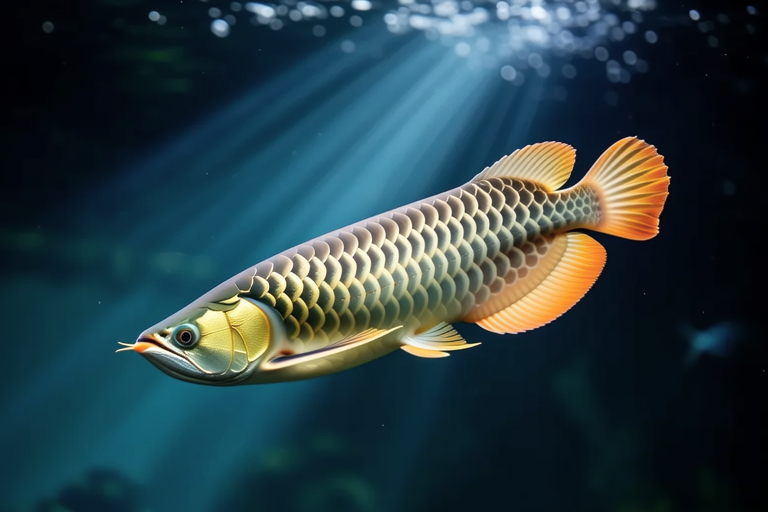
Arowanas are truly a sight to behold. These freshwater giants boast an elongated body with a series of bony plates that offer protection from predators. Their most striking feature, however, is their large, upward-facing mouth. This adaptation allows them to leap out of the water to catch insects and other prey, a behavior known as “surface feeding.” Arowanas can grow up to three feet long, making them one of the largest species commonly kept in home aquariums. Their iridescent scales shimmer with colors ranging from silver to green, adding a touch of elegance to any tank.
Evolutionary History and Adaptation
The arowana’s lineage stretches back millions of years, with fossil records indicating their existence during the Cretaceous period. Over time, these ancient fish have developed remarkable adaptations that have allowed them to thrive in diverse environments. Their ability to breathe air through their swim bladder, a process called aerial respiration, has been crucial in enabling them to survive in oxygen-depleted waters. This unique trait also contributes to their impressive surface feeding behavior. Furthermore, the arowana’s strong jaw muscles and sharp teeth are perfectly suited for catching fast-moving prey, demonstrating the effectiveness of natural selection in shaping their physical attributes.
Cultural Significance
In many parts of the world, especially Southeast Asia, arowanas hold deep cultural significance. In Chinese culture, they are often referred to as “dragon fish” due to their resemblance to mythical dragons. This association brings good fortune and prosperity to those who own them, making them highly sought after as both pets and status symbols. The arowana’s value extends beyond mere aesthetics; in some regions, owning one is considered a mark of wealth and success. Despite their popularity, it is important to note that the trade of certain species, particularly wild-caught specimens, can pose threats to local ecosystems if not managed responsibly.
Challenges and Requirements for Aquarium Keeping
While arowanas may seem like majestic additions to any aquarium, maintaining them requires careful consideration. These fish demand specific environmental conditions to ensure their health and well-being. Water temperature should be maintained between 78°F and 84°F (25°C to 29°C), with pH levels ideally around 6.5 to 7.5. Regular water changes and efficient filtration systems are essential to keep the tank clean and free from harmful substances. Additionally, arowanas require ample space to swim freely, so a tank measuring at least 300 gallons is recommended for a single adult.
Diet is another critical aspect of arowana care. These carnivorous fish primarily feed on live or frozen foods such as feeder fish, shrimp, and worms. It is important to provide a balanced diet that meets their nutritional needs while avoiding overfeeding, which can lead to obesity and related health issues. Feeding should be done cautiously, as arowanas have powerful mouths capable of causing injury if provoked.
Intelligence and Behavior
What truly sets arowanas apart from other fish is their intelligence and complex behaviors. Studies have shown that they possess advanced cognitive abilities, including problem-solving skills and the capacity to learn from experience. For instance, arowanas can recognize individual handlers and respond differently based on past interactions. They exhibit curiosity about their surroundings and are known to interact with objects placed in their tanks. This level of engagement makes observing arowanas not only visually appealing but intellectually stimulating as well.
In addition to their intelligence, arowanas demonstrate intriguing social dynamics within their groups. While they tend to be solitary in the wild, captive arowanas can form bonds with one another, showing signs of cooperation and communication. Observing these interactions provides valuable insights into their behavior patterns and reinforces the notion that these fish are much more than simple aquatic organisms.
Conclusion
Arowanas are indeed more than just fish. Their unique physical characteristics, evolutionary adaptations, cultural significance, and intelligent behaviors make them captivating subjects for study and admiration. Whether you’re an experienced aquarist or simply curious about the wonders of nature, there’s no denying the allure of these magnificent creatures. By understanding the challenges and requirements involved in keeping arowanas, we can appreciate them even more fully and ensure their well-being in our care.
