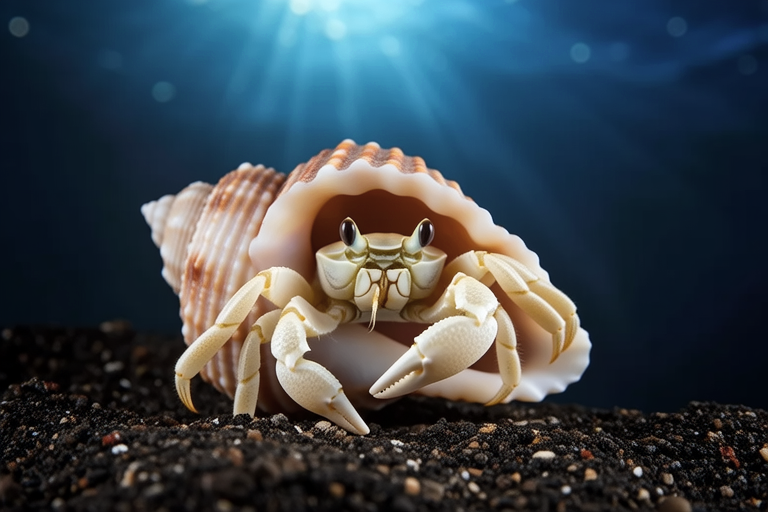
Pea Crab: The Tiniest Critter Hiding Inside Seashells
Welcome to the fascinating world of the pea crab, one of the smallest and most intriguing creatures that inhabit our oceans. These tiny crustaceans have adapted to live inside the shells of bivalves, such as oysters, mussels, and scallops. Their unique lifestyle has made them a subject of fascination for marine biologists and nature enthusiasts alike. In this article, we will explore the characteristics, habitat, diet, and symbiotic relationships of pea crabs, shedding light on their important role in marine ecosystems.
The Tiny Pea Crab
Pea crabs are among the smallest members of the crab family, typically measuring less than half an inch in length. Despite their diminutive size, these crabs are quite robust, with rounded bodies covered in fine hairs that help them blend into their surroundings. Their coloration ranges from translucent white to brown, depending on the species and the host they reside in. Some pea crabs even take on the color of their host, which helps them avoid predators and maintain a harmonious relationship with their living shelter.
Living Inside Bivalves
Pea crabs are known for their remarkable ability to live inside the shells of bivalves, where they spend their entire lives. The crabs enter the shell when the bivalve opens its valves to feed or breathe, and then they make themselves at home within the confines of the shell. Once inside, they often modify the interior of the shell to suit their needs, creating small chambers and tunnels to move around comfortably. The bivalve provides protection, food, and a safe haven for the pea crab, while the crab, in turn, can offer some benefits to its host.
Pea crabs are not the only inhabitants of bivalve shells; many other organisms, such as worms, snails, and barnacles, also call these structures home. However, pea crabs have developed a unique relationship with their hosts, which sets them apart from other tenants. They are highly specialized and have evolved to fit perfectly within the confines of the shell, with their flattened bodies allowing them to maneuver easily between the bivalve’s two halves.
Diet and Feeding Habits
Pea crabs are omnivorous, meaning they eat both plant and animal matter. Their diet consists mainly of plankton, detritus, and organic particles that float into the bivalve’s feeding area. They also consume the mucus that lines the inside of the bivalve’s gills, which serves as a food source rich in nutrients. Additionally, pea crabs may occasionally feed on the eggs and larvae of their host, although this behavior is rare and does not significantly impact the bivalve’s reproductive success.
Despite their small size, pea crabs play an essential role in the marine ecosystem by helping to filter water and remove excess nutrients. This process contributes to maintaining the balance of the aquatic environment, making them valuable members of their ecological community.
Symbiotic Relationships
The relationship between pea crabs and their bivalve hosts is a classic example of mutualism, a type of symbiosis where both organisms benefit from each other. For the pea crab, the bivalve provides a secure living space, protection from predators, and access to food. In return, the pea crab helps its host by removing parasites and cleaning the inside of the shell. This cleaning process ensures that the bivalve remains healthy and free from harmful microorganisms.
Some researchers suggest that pea crabs might also assist their hosts in reproduction by consuming unwanted eggs and larvae, thus reducing competition for resources. However, more studies are needed to confirm this hypothesis. Regardless of the exact nature of their interactions, it is clear that pea crabs and their hosts have developed a close and mutually beneficial relationship over millions of years of co-evolution.
Reproduction and Life Cycle
The life cycle of pea crabs is relatively short, lasting only a few months. Female pea crabs lay their eggs inside the bivalve shell, where they remain until they hatch. The larvae then swim freely in the water column before settling on another bivalve to continue their life cycle. Male pea crabs, on the other hand, leave the safety of the bivalve shell to find a mate. Once they have successfully mated, they return to their host to await the arrival of their offspring.
The rapid reproduction rate of pea crabs ensures that populations remain stable despite their high mortality rate. Many factors contribute to the death of pea crabs, including predation, disease, and environmental changes. However, the resilience of these tiny creatures allows them to thrive in various marine habitats, from shallow coastal waters to deep ocean trenches.
Habitat and Distribution
Pea crabs are found in all major oceans worldwide, from the Arctic to the Antarctic. They prefer temperate and tropical waters, where they can find suitable bivalve hosts and optimal conditions for survival. Pea crabs are most commonly found in coastal areas, estuaries, and coral reefs, where there is an abundance of bivalves and other potential hosts. They are particularly abundant in areas with strong currents and nutrient-rich waters, which provide ample food sources for both the bivalves and the pea crabs.
Although pea crabs are well-adapted to life in saltwater environments, some species have been found in freshwater habitats, including lakes and rivers. These freshwater pea crabs have evolved to tolerate lower salinity levels, making them uniquely suited to their specific environments. The adaptability of pea crabs to different habitats highlights their importance in maintaining the health and balance of diverse marine ecosystems.
Threats and Conservation
Like many other marine species, pea crabs face several threats that could jeopardize their survival. One of the most significant challenges is the overharvesting of bivalves, which reduces the availability of suitable hosts for pea crabs. As bivalve populations decline due to overfishing and habitat destruction, pea crabs lose their primary source of food and shelter, leading to a decrease in their numbers.
In addition to overharvesting, pollution, climate change, and invasive species pose serious threats to pea crabs and their habitats. Pollution, especially from agricultural runoff and industrial waste, can contaminate the water and harm both the bivalves and the pea crabs. Climate change alters ocean temperatures and acidity, which can negatively affect the growth and development of both pea crabs and their hosts. Invasive species, such as non-native bivalves, can outcompete native species for resources, further reducing the available habitat for pea crabs.
To protect pea crabs and their habitats, conservation efforts must focus on preserving and restoring bivalve populations, reducing pollution, and addressing the impacts of climate change. By taking action to safeguard the marine environment, we can ensure that pea crabs and other small but vital species continue to thrive in our oceans.
Conclusion
The pea crab is a remarkable creature that exemplifies the wonders of adaptation and symbiosis in the natural world. From their tiny size to their complex relationships with bivalves, these crustaceans offer a glimpse into the intricate web of life that exists beneath the waves. By learning more about pea crabs and their role in marine ecosystems, we can gain a deeper appreciation for the delicate balance that sustains our oceans and the countless species that call them home.
Next time you’re at the beach or visiting an aquarium, take a moment to appreciate the tiny pea crabs hidden inside seashells. These remarkable creatures are a testament to the diversity and resilience of life in the sea, and they remind us of the importance of protecting our marine environments for future generations.
