The Ultimate Guide to Feeding Your Bearded Dragon: What You Need to Know!
Bearded dragons are beloved pets for their unique appearance and relatively low maintenance requirements. However, providing the right nutrition is crucial for their health and longevity. This guide will cover everything you need to know about feeding your bearded dragon, from understanding the importance of a balanced diet to recognizing signs of malnutrition or overfeeding.
The Importance of a Balanced Diet
A balanced diet is vital for maintaining the overall health of your bearded dragon. Their nutritional needs change as they grow, so it’s important to adjust their diet accordingly. A balanced diet should include a variety of vegetables, fruits, and proteins, ensuring that all necessary nutrients are provided. This diversity helps prevent deficiencies and promotes healthy growth and development.
Types of Vegetables and Fruits Suitable for Bearded Dragons
Vegetables and fruits form the bulk of a bearded dragon’s diet. Dark leafy greens such as collard greens, mustard greens, and dandelion greens are excellent choices. They provide essential vitamins and minerals. Other suitable vegetables include squash, bell peppers, carrots, and zucchini. Avoid feeding them iceberg lettuce as it lacks nutritional value.
Fruits can be offered occasionally as treats. Apples, berries, melons, and bananas are safe options. However, fruits should not exceed 10% of their total diet due to their high sugar content.
Appropriate Protein Sources
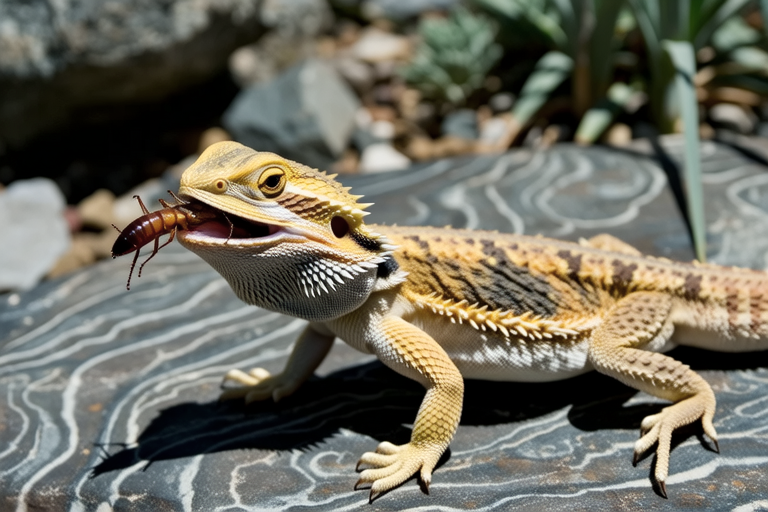
Protein is essential for growth and muscle development. For younger bearded dragons (under one year old), feed insects daily. Suitable insects include crickets, dubia roaches, and silkworms. Ensure that the insects are gut-loaded (fed nutritious food themselves) before being offered to your dragon. As they age, reduce the frequency of insect feedings to once or twice a week.
Commercially available reptile pellets can also be used as a source of protein. These pellets are formulated to meet the nutritional needs of bearded dragons and can be a convenient addition to their diet.
Hydration Needs
Bearded dragons obtain most of their water through their food. However, providing a shallow dish of clean water is still recommended. Some bearded dragons may drink directly from the water dish, while others may lap up droplets of water on the enclosure walls or on their prey. Regularly check the water dish to ensure it remains clean and filled.
Calcium and Vitamin D3 Supplementation
Calcium and vitamin D3 are critical for bone health and preventing metabolic bone disease. Dusting insects with a calcium supplement without added vitamin D3 three times a week is recommended. On the remaining days, use a calcium supplement with vitamin D3. Always follow the manufacturer’s instructions for proper dosage.
UVB lighting is essential for vitamin D3 synthesis. Ensure your bearded dragon has access to a UVB light for 10-12 hours per day. This light should be replaced every six months to maintain its effectiveness.
Feeding Frequency for Different Life Stages
Newborn bearded dragons require frequent feeding, typically every day. As they grow, reduce the frequency to every other day for juveniles and once every two to three days for adults. Adjust the amount of food based on their size and activity level. Overfeeding can lead to obesity, while underfeeding can result in malnutrition.
Common Feeding Mistakes to Avoid
One common mistake is offering too many fruits. While fruits can be tasty treats, they should not be a significant part of the diet. Another mistake is feeding insects that are too large. Insects should be no larger than the space between the bearded dragon’s eyes to prevent choking hazards.
Feeding wild-caught insects is another risk. These insects may carry parasites or have been exposed to harmful substances. Always opt for commercially bred insects or those raised in a clean environment.
Signs of Malnutrition or Overfeeding
Signs of malnutrition may include lethargy, weight loss, and poor appetite. If you notice these symptoms, consult a veterinarian specializing in reptiles. Overfeeding can lead to obesity, which may cause joint problems and other health issues. Monitor your bearded dragon’s body condition regularly to ensure they maintain a healthy weight.
In conclusion, feeding your bearded dragon correctly is key to their well-being. By following the guidelines outlined in this guide, you can help ensure that your pet receives the nutrition it needs to thrive. Remember to consult with a veterinarian if you have any concerns about your bearded dragon’s diet or health.
