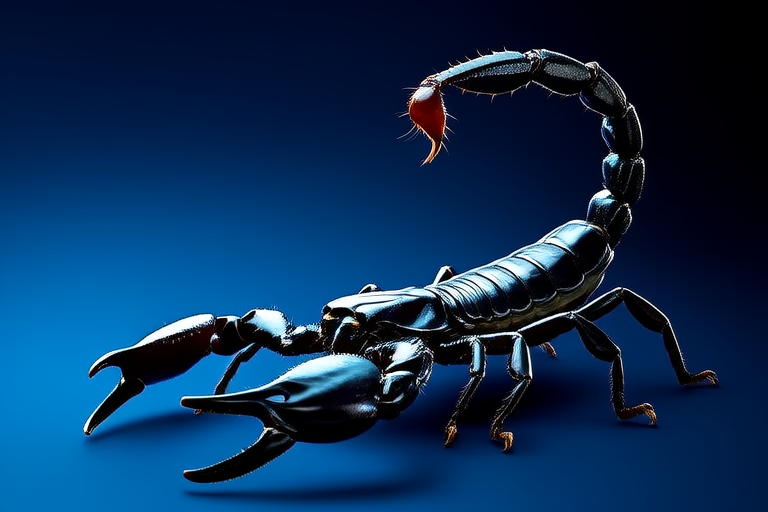
The Heterometrus Spinifer: The Asian Forest Scorpion
The Heterometrus spinifer, commonly known as the Asian forest scorpion, is a fascinating arachnid that captures the imagination of both enthusiasts and casual observers alike. This scorpion is distinguished by its long, dense hairs that cover its entire body, giving it a unique and almost otherworldly appearance. Its nocturnal habits and behaviors have earned it the nickname ‘night stalker,’ making it a subject of intrigue and sometimes fear. In this article, we will delve into the details of its appearance, lifestyle, habitat, diet, and interactions within its ecosystem. We’ll also explore some of its unique adaptations, safety precautions for encounters, and conclude with some interesting facts and myths surrounding this remarkable creature.
Distinctive Appearance
The Heterometrus spinifer is easily recognizable due to its long, bristle-like hairs that cover its entire body. These hairs serve multiple purposes, including sensory perception, defense, and camouflage. The hairs, which can be up to an inch long, are particularly noticeable on the tail, helping to distinguish it from other scorpion species. The overall coloration of the Heterometrus spinifer ranges from dark brown to black, providing excellent camouflage in its forest habitat. The pincers, or pedipalps, are robust and adapted for grasping prey and defending against threats.
Nocturnal Habits and Behaviors
The Heterometrus spinifer is primarily nocturnal, spending most of its day hidden under rocks, logs, or in crevices within the forest floor. Its active hours begin at dusk, when it emerges to hunt for food. This behavior has earned it the nickname ‘night stalker.’ During the night, it uses its keen senses, particularly its chemoreceptors and mechanoreceptors, to detect prey and avoid predators. The scorpion’s nocturnal lifestyle minimizes competition for resources and reduces the risk of predation during daylight hours.
When hunting, the Heterometrus spinifer relies on its powerful pincers to grasp and subdue its prey. Once captured, it injects venom through its stinger to immobilize and kill the victim. The venom is potent enough to paralyze small insects but is generally not lethal to humans. Despite its formidable appearance, the scorpion rarely uses its stinger unless threatened. Instead, it prefers to rely on its strong pincers for defense and hunting.
Natural Habitat and Diet
The Heterometrus spinifer is native to tropical and subtropical regions of Southeast Asia, including countries such as Thailand, Malaysia, and Indonesia. It thrives in humid, densely vegetated areas, where it can find ample hiding spots and a diverse range of prey. The scorpion’s preferred habitat includes rainforests, bamboo thickets, and areas near rivers and streams.
In terms of diet, the Heterometrus spinifer is an opportunistic feeder, consuming a wide variety of small invertebrates. Its primary prey includes insects such as crickets, grasshoppers, and beetles, as well as spiders and other arachnids. Occasionally, it may also feed on small vertebrates like frogs or lizards. The scorpion’s ability to adapt to different prey types allows it to thrive in various environments.
Interactions Within Its Ecosystem
The Heterometrus spinifer plays a crucial role in its ecosystem as both a predator and prey. As a top predator in its niche, it helps control populations of smaller invertebrates, contributing to the balance of the local ecosystem. However, it is also vulnerable to predation by larger animals, such as birds, reptiles, and mammals. This dual role underscores the importance of maintaining healthy populations of both predators and prey to ensure the stability of the ecosystem.
The scorpion’s burrowing behavior also aids in soil aeration and nutrient cycling, benefiting plant life in its habitat. Additionally, the presence of the Heterometrus spinifer serves as an indicator of environmental health, as it requires specific conditions to thrive.
Unique Adaptations and Survival Tactics
The Heterometrus spinifer has evolved several unique adaptations that enhance its survival in its challenging environment. One of the most notable adaptations is its exoskeleton, which provides protection against physical damage and desiccation. The scorpion’s tough outer shell also helps it retain moisture, an essential trait in its humid but often dry microhabitats.
Another adaptation is its ability to regenerate lost limbs. If a scorpion loses a leg or pincer, it can regrow the appendage over time. This regeneration process is vital for its survival, as it allows the scorpion to continue hunting and defending itself effectively.
The Heterometrus spinifer also exhibits a form of mimicry, using its long hairs to blend in with its surroundings. This camouflage helps it avoid detection by predators and enhances its hunting success by allowing it to approach prey unnoticed.
Safety Precautions for Encounters
While the Heterometrus spinifer poses little threat to humans, caution should still be exercised when encountering one. Its venom, while not typically lethal to humans, can cause pain, swelling, and localized numbness. To minimize the risk of a sting, individuals should wear protective clothing and use gloves when handling materials that could harbor scorpions. Additionally, it is advisable to shine a flashlight around before reaching into areas where scorpions might be present.
If a sting does occur, immediate medical attention should be sought. Applying ice to the affected area can help reduce swelling and discomfort. It is also recommended to avoid provoking the scorpion, as it is more likely to sting if it feels threatened.
Interesting Facts and Myths
The Heterometrus spinifer is surrounded by numerous myths and misconceptions, adding to its allure and mystique. One common myth is that all scorpions glow under ultraviolet light. While it is true that the exoskeleton of the Heterometrus spinifer does fluoresce under UV light, this phenomenon is not exclusive to scorpions and does not indicate toxicity.
Another interesting fact about the Heterometrus spinifer is its longevity. Some individuals have been known to live for up to 8 years in captivity, with females typically outliving males. This lifespan is relatively long for an arachnid, reflecting the species’ efficient use of resources and effective survival strategies.
One lesser-known fact is the scorpion’s ability to adjust its venom potency based on the size of its prey. This adaptation ensures that the scorpion conserves its venom for larger, more dangerous prey while using less potent venom for smaller, less threatening targets. This energy-saving mechanism contributes to the scorpion’s overall fitness and reproductive success.
In conclusion, the Heterometrus spinifer is a remarkable species with a distinctive appearance, nocturnal habits, and unique adaptations that have allowed it to thrive in its native habitat. Its role as both predator and prey highlights its importance in maintaining ecological balance. While encounters with this scorpion can be intriguing, they should be approached with caution to avoid unnecessary harm. The myths and facts surrounding the Heterometrus spinifer only add to its fascination, making it a captivating subject for both scientific study and popular interest.
