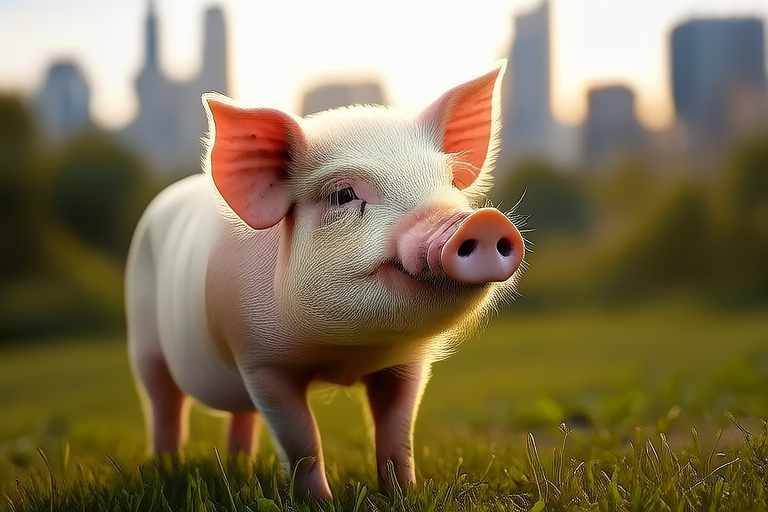
Mini Pigs in the City: Can Urban Life Suit These Small Yet Significant Pets?
In recent years, mini pigs have gained popularity as unique and endearing companions for city dwellers. With their small size, affectionate nature, and quirky personalities, these pint-sized pigs can be ideal for apartment living. However, before bringing a mini pig into your urban home, it’s crucial to understand their specific needs and the challenges that come with owning one in a city environment.
The Appeal of Mini Pigs
Mini pigs are not just miniature versions of standard farm pigs; they are a distinct breed with unique characteristics. They typically weigh between 50 to 70 pounds, making them much more manageable for city living than their larger counterparts. Their size allows them to thrive in smaller spaces, but this does not mean they are low-maintenance pets. Understanding their temperament, dietary needs, and exercise requirements is essential for ensuring their well-being.
Temperament and Social Needs
Mini pigs are known for their friendly and intelligent nature. They form strong bonds with their owners and can be quite social animals. In fact, many owners describe their mini pigs as loyal companions, comparable to dogs in terms of affection and attention-seeking behavior. This makes them excellent pets for individuals or families who are willing to invest time in training and socializing their pet.
However, it’s important to note that mini pigs are highly intelligent and can become bored easily if not provided with enough mental stimulation. Regular interaction, playtime, and training sessions are necessary to keep them happy and engaged. This level of engagement might be challenging for those with busy schedules or limited outdoor space.
Dietary Considerations
Feeding a mini pig properly is critical to their health and longevity. Unlike other pets, mini pigs require a diet specifically formulated for their nutritional needs. A balanced diet includes high-quality commercial pig food, fresh vegetables, and fruits, but it must be carefully portioned to prevent obesity. Overfeeding is a common mistake among new owners, leading to health issues such as heart disease and joint problems.
Veterinarians specializing in exotic animals recommend consulting with a professional to determine the appropriate amount of food for your pig based on its age, weight, and activity level. It’s also important to avoid feeding them foods harmful to pigs, such as chocolate, avocado, and excessive amounts of salt.
Exercise and Space Requirements
Despite their small size, mini pigs need ample space to move around and engage in physical activities. While they can adapt to apartment living, providing them with daily opportunities for exercise is vital. This can include walks on a leash, playtime in a safe outdoor area, or indoor obstacle courses designed to stimulate their minds and bodies.
Urban environments present unique challenges when it comes to exercise. Many cities lack parks or green spaces suitable for pigs, which can make it difficult to find places where you can walk your pig safely. Additionally, leash laws and regulations regarding exotic pets in public areas may vary by city, so it’s important to research local ordinances before bringing your pig outdoors.
Potential Challenges of Owning Mini Pigs in the City
Owning a mini pig in the city comes with several challenges. One of the most significant concerns is the noise they can produce. Mini pigs are vocal animals and can bark, squeal, or grunt loudly, which might disturb neighbors in close quarters. Proper training and socialization can help reduce noise levels, but it requires consistent effort and patience from the owner.
Another challenge is the potential for mess. Pigs are clean animals by nature, but they still require regular cleaning of their living spaces. Owners must be prepared to manage waste and ensure their homes remain hygienic. This includes regular grooming, cleaning up after bathroom breaks, and maintaining a clean living environment.
Advice for Prospective Owners
If you’re considering adding a mini pig to your urban household, there are several steps you can take to ensure both you and your pet are prepared for this commitment:
- Research Local Regulations: Before bringing a mini pig home, check with your city or county government to understand any restrictions or permits required for owning exotic pets. Some areas prohibit certain breeds or require special licenses.
- Find a Reputable Breeder: When selecting a mini pig, choose a reputable breeder who prioritizes the health and well-being of their animals. Avoid purchasing from backyard breeders or puppy mills.
- Prepare Your Home: Ensure your living space is suitable for a mini pig. This includes having a designated area for them to sleep, eat, and play. Providing toys, puzzles, and other enrichment items will help keep them entertained.
- Seek Professional Advice: Consult with a veterinarian experienced in treating mini pigs to establish a routine care plan. Regular check-ups, vaccinations, and preventative treatments are essential for maintaining your pig’s health.
- Join Support Groups: Connect with other mini pig owners through online forums or local meetups. Sharing experiences and tips with fellow owners can provide valuable support and guidance.
Insights from Experts
To gain further insight into the suitability of mini pigs as city pets, we spoke with Dr. Emily Carter, a veterinarian specializing in exotic animals. According to Dr. Carter, “Mini pigs can thrive in urban environments if given the proper care and attention. The key is understanding their unique needs and being prepared to meet those needs consistently.”
Dr. Carter emphasizes the importance of early socialization and training. “Just like dogs, mini pigs benefit greatly from obedience training. This not only helps them behave better at home but also makes them more comfortable in public settings,” she says. She also advises owners to be mindful of the pig’s diet and exercise routine to prevent health issues.
Real-Life Experiences
Meet Sarah Johnson, a resident of New York City who adopted a mini pig named Daisy two years ago. “Daisy has brought so much joy into our lives,” Sarah shares. “She’s incredibly smart and loves to play fetch. We’ve trained her to walk on a leash, which makes taking her out for walks much easier.”
However, Sarah admits that owning a mini pig in the city isn’t without its challenges. “We had to be very careful about finding safe places to walk her. Not all parks allow pets, and some areas are too crowded for her comfort. We also had to adjust to her vocalizations, especially when she’s excited or wants attention.”
Despite these challenges, Sarah remains committed to providing Daisy with a loving home. “With the right preparation and mindset, owning a mini pig in the city can be a rewarding experience,” she concludes.
Conclusion
Mini pigs can indeed make wonderful companions for city dwellers, provided that owners are fully aware of the responsibilities involved. By understanding their size, temperament, dietary needs, and exercise requirements, you can create a nurturing environment for your mini pig. It’s important to approach pet ownership with realistic expectations and a willingness to adapt to your pet’s needs.
Remember, the happiness and health of your mini pig depend on your commitment to providing them with the care and attention they deserve. If you’re ready to take on this rewarding challenge, a mini pig could be the perfect addition to your urban family.
