Norwegian Wonders: Discovering Unique Pet Breeds from Norway
When it comes to pet breeds, Norway has a rich heritage of unique and captivating animals that have been bred over centuries for specific purposes. From loyal hunting companions to robust farm dogs, these breeds reflect the country’s rugged landscapes and the needs of its people. This article delves into some of the lesser-known but remarkable pet breeds from Norway, providing an overview of their origins, characteristics, and what makes them special.
The Norwegian Elkhound
The Norwegian Elkhound, also known as the Norsk Elghund, is one of Norway’s most iconic dog breeds. Originating from the Scandinavian Peninsula, this breed has a history dating back over 6,000 years, making it one of the oldest spitz-type dogs in existence. Historically, the Norwegian Elkhound was used by hunters to track and corner large game, such as moose. Its agility, endurance, and keen sense of smell made it invaluable in the wild Norwegian forests.
Characterized by its distinctive grey coat with black tips, the Norwegian Elkhound is a medium-sized dog with a compact build. Their double coat, consisting of a soft undercoat and a harsh outer coat, provides excellent insulation against the cold, which is essential given the breed’s origins in a snowy environment. The breed’s head is wedge-shaped, with small, triangular ears that stand erect, giving them an alert appearance.
Temperament-wise, Norwegian Elkhounds are known for their loyalty, intelligence, and playfulness. They are highly affectionate towards their families and tend to be wary of strangers, making them good watchdogs. However, they require consistent training and socialization to prevent them from becoming overly protective or aggressive. Regular exercise is crucial for this energetic breed, as they thrive on physical activity and mental stimulation.
Care requirements for the Norwegian Elkhound include regular grooming to maintain their coat’s health and appearance. Brushing should be done at least twice a week, especially during shedding seasons. Additionally, they need a balanced diet rich in protein to support their active lifestyle. Health issues to watch out for include hip dysplasia and dental problems.
The Lundehund
The Lundehund, or Puffin Dog, is a rare and ancient breed from Norway, originally bred for hunting puffins along the rocky cliffs of the Lofoten Islands. This breed is notable for its unique physical attributes, including six toes on each foot and the ability to bend its head backwards over its back. These traits were essential for the Lundehund’s original purpose of retrieving birds from narrow crevices and steep cliff faces.
Lundehunds are small dogs, typically weighing between 13 to 18 pounds and standing around 14 inches tall. Their coats are short and dense, usually in shades of tan with white markings. Despite their small size, they possess great strength and agility, making them well-suited for their hunting duties.
These dogs are known for their independent yet gentle nature. They can be reserved with strangers but are devoted to their families. Early socialization and training are important to ensure they become well-adjusted pets. Due to their independent streak, they may not always respond to commands as readily as other breeds, but they are intelligent and eager to please when motivated.
Caring for a Lundehund requires attention to their unique health concerns. They are prone to a condition called Lundehund Syndrome, which affects their digestive system and immune system. Regular veterinary check-ups and a specialized diet may be necessary to manage this condition. Additionally, their small size and high energy levels mean they need plenty of mental and physical stimulation to stay healthy and happy.
The Norwegian Buhund
The Norwegian Buhund is another versatile and ancient breed from Norway, with roots tracing back to the Vikings. Originally used as herding dogs, these dogs were also employed for various tasks on farms, including guarding livestock and assisting in fishing. Their name, ‘Buhund’, translates to ‘farm dog’ in Norwegian, reflecting their multi-purpose role in rural communities.
Standing around 17 inches tall and weighing between 25 to 40 pounds, the Norwegian Buhund is a medium-sized dog with a sturdy build. They have a thick, weather-resistant coat that comes in two colors: red or wheaten. Their alert and expressive eyes, combined with their friendly demeanor, make them instantly recognizable.
Temperamentally, Norwegian Buhunds are lively, intelligent, and sociable. They are excellent with children and other pets, making them ideal family companions. Their natural herding instincts mean they can be persistent and sometimes stubborn, so early obedience training is recommended. They are also highly trainable and excel in activities like agility and obedience competitions.
Care for the Norwegian Buhund involves regular grooming to keep their coat in top condition. They shed heavily twice a year, so brushing should be increased during these periods. A balanced diet and regular exercise are essential to maintain their overall health. Common health issues include hip dysplasia and progressive retinal atrophy.
The Norwegian Forest Cat
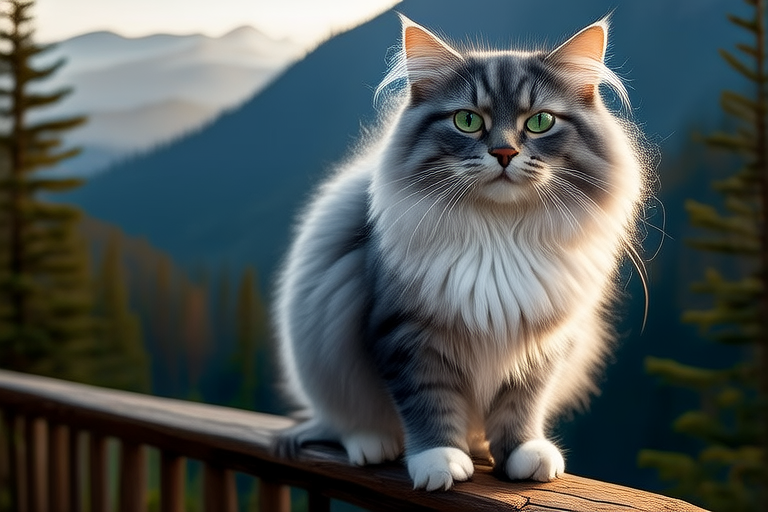
The Norwegian Forest Cat is a majestic feline breed native to Norway, believed to have descended from cats brought to Scandinavia by Vikings. Known for their long, luxurious coats and muscular builds, these cats are perfectly adapted to the harsh Nordic climate. They are often referred to as ‘skogkatt,’ meaning ‘forest cat’ in Norwegian.
With their tufted ears and paws, and a thick, water-repellent coat, Norwegian Forest Cats are well-equipped to survive in cold environments. They come in a wide range of colors and patterns, though tabby and solid colors are most common. Their eyes are typically green, gold, or copper, adding to their striking appearance.
These cats are known for their calm and gentle nature, making them excellent companions. They are playful yet independent, often finding joy in exploring their surroundings. They get along well with other pets and children, provided they are introduced gradually. Their vocalizations are generally soft and melodic, contributing to their charming personality.
Caring for a Norwegian Forest Cat involves regular grooming to prevent matting and tangles, particularly during shedding seasons. A nutritious diet and access to plenty of toys and climbing structures will help keep them entertained and healthy. Like many breeds, they are susceptible to certain health conditions, such as hypertrophic cardiomyopathy, so regular veterinary check-ups are advisable.
The Dølehest
The Dølehest, or Dole Horse, is a rare breed of horse native to Norway, specifically the Telemark region. This breed is renowned for its versatility and adaptability, having been used for both riding and working on farms. Historically, the Dølehest played a significant role in the development of modern horse breeding, particularly in the creation of the American Morgan Horse.
Dølehest horses are medium-sized, standing approximately 14 to 15 hands high (56 to 60 inches). They have a strong, muscular build with a deep chest and sturdy legs. Their coats come in various colors, including bay, brown, and grey. Their heads are well-proportioned, with expressive eyes that give them a gentle and intelligent appearance.
Temperamentally, Dølehest horses are known for their calm and docile nature, making them suitable for beginners and experienced riders alike. They are easy to train and responsive to commands. Their adaptability means they can perform well in a variety of disciplines, from dressage to trail riding.
Care for the Dølehest involves regular grooming to maintain their coat’s health and appearance. They require a balanced diet rich in nutrients to support their active lifestyle. Routine veterinary care, including vaccinations and deworming, is essential to ensure their well-being. Potential health issues include founder and joint problems, so careful management of their diet and exercise is important.
The Hedmark Hound
The Hedmark Hound, also known as the Norsk Hønsehund, is a rare and ancient breed of hound from Norway. This breed is believed to have existed since Viking times, originally used for hunting birds and small game. The Hedmark Hound is particularly skilled at flushing out game from dense underbrush, thanks to its keen sense of smell and agility.
Standing about 16 to 20 inches tall and weighing between 35 to 50 pounds, the Hedmark Hound has a lean, athletic build. Their coats are typically red or fawn, with white markings on the chest, legs, and face. Their large, drooping ears and expressive eyes contribute to their appealing appearance.
These hounds are known for their strong hunting instincts and determination. They are loyal and affectionate towards their owners but can be somewhat independent. Early socialization and training are crucial to ensure they behave appropriately around other animals and people. They are highly energetic and require plenty of exercise and mental stimulation to prevent boredom and destructive behavior.
Caring for a Hedmark Hound involves regular grooming to remove loose hair and keep their coat clean. They benefit from a balanced diet and regular exercise to maintain their health and fitness. Common health issues include ear infections due to their floppy ears, so regular cleaning and checking are necessary.
Conclusion
From the majestic Norwegian Elkhound to the rare and ancient Lundehund, Norway boasts a diverse array of unique pet breeds that offer something special for every pet enthusiast. Each breed has its own distinct characteristics, temperament, and care requirements, making them fascinating subjects for those interested in learning about lesser-known breeds. Whether you’re drawn to the intelligence of the Norwegian Buhund, the grace of the Norwegian Forest Cat, or the versatility of the Dølehest, there’s a Norwegian breed that could become your perfect companion.
