Tiny Guardians of the Sea: The Fascinating Life of Pea Crabs
In the vast expanse of the ocean, where countless species coexist in a delicate balance, there exists a diminutive yet remarkable inhabitant known as the pea crab. These minuscule crustaceans, barely larger than a grain of rice, lead lives that are both mysterious and enchanting. This article delves into the world of pea crabs, exploring their unique symbiotic relationships, physical characteristics, lifecycle, and crucial role in marine ecosystems.
Introduction to Pea Crabs
The pea crab (Pinnotheres pisum) is one of several species within the genus Pinnotheres, a group of small crabs renowned for their intriguing lifestyle. Found in coastal waters worldwide, these crabs have adapted to live in close association with other marine organisms, forming symbiotic partnerships that are essential for both their survival and the health of their hosts.
Physical Characteristics
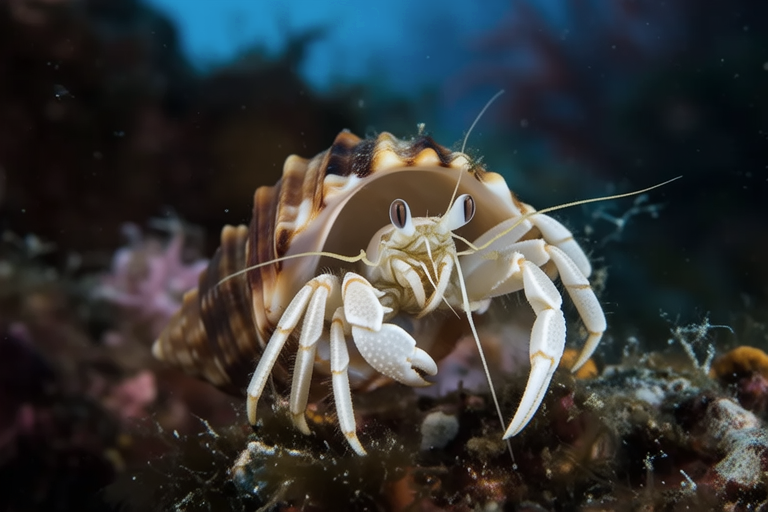
Pea crabs are characterized by their small size, typically measuring between 5 and 20 millimeters in length. Their bodies are flattened and oval-shaped, allowing them to fit snugly within the protective enclosures of their host animals. The carapace, or shell, is usually translucent, revealing the delicate internal structures of the crab. Their legs are short and stout, designed for gripping onto their hosts rather than for rapid movement. The claws of pea crabs are relatively small compared to their body size, but they are surprisingly strong for their diminutive stature. Their coloration varies depending on the species and their environment, often blending in with the hues of their host organism.
Symbiotic Relationships
One of the most fascinating aspects of pea crabs is their symbiotic relationship with various marine creatures. These crabs form mutually beneficial associations with hosts such as sea cucumbers, anemones, and even certain mollusks. In these partnerships, the pea crabs gain protection from predators and access to a steady supply of food. In return, they offer their hosts some level of defense against parasitic organisms and other threats.
Sea cucumbers provide an ideal habitat for pea crabs, offering both shelter and nourishment. The crabs reside within the cucumber’s body cavity, feeding on its digestive fluids and waste products. This arrangement benefits the cucumber by reducing the accumulation of harmful substances in its internal environment. Anemones also serve as hosts for pea crabs, with the crabs attaching themselves to the anemone’s tentacles. Here, they benefit from the anemone’s stinging cells, which protect them from potential predators. In exchange, the pea crabs may assist in cleaning the anemone by consuming parasites and detritus.
Lifecycle
The lifecycle of pea crabs is a complex and intriguing process. Mating occurs when male and female crabs come together, often within the confines of their shared host. After fertilization, the female carries her eggs under her abdomen until they hatch. The larvae then enter the water column, where they drift and develop through several stages before settling onto a suitable host. Once attached, they undergo metamorphosis, transforming into adult crabs capable of living independently within their host organism.
Behavior and Adaptations
Recent research has shed light on the behaviors and adaptations of pea crabs. Scientists have discovered that these crabs exhibit remarkable agility despite their small size. They can navigate the intricate environments of their hosts with ease, moving swiftly between different chambers and compartments. Their ability to adapt to varying conditions within their hosts is a testament to their resilience and evolutionary success.
Pea crabs have also demonstrated surprising intelligence in choosing their hosts. Studies have shown that they prefer hosts with higher levels of nutrients and better protection from predators. This selective behavior ensures that they maximize their chances of survival and reproduction. Additionally, researchers have observed that pea crabs can adjust their feeding habits based on the availability of resources within their hosts, demonstrating an impressive level of flexibility in their diet.
Role in Marine Ecosystems
Pea crabs play a vital role in maintaining the balance of marine ecosystems. By regulating the populations of parasites and detritus within their hosts, they contribute to the overall health of their hosts and the surrounding environment. Their presence can also influence the behavior of other marine organisms, creating a ripple effect throughout the ecosystem. For example, the presence of pea crabs in sea cucumber populations may deter certain predators, indirectly protecting other species that rely on sea cucumbers for food or habitat.
Moreover, pea crabs serve as a food source for larger marine animals, further integrating them into the food web. Their interactions with their hosts and the broader marine community highlight the interconnectedness of life in the ocean and underscore the importance of preserving these delicate relationships.
Conclusion
The pea crab is a testament to the wonders of nature and the intricate relationships that exist within marine ecosystems. These tiny guardians of the sea, with their unique adaptations and symbiotic partnerships, remind us of the complexity and beauty of life beneath the waves. As we continue to explore and understand the ocean, it is crucial that we recognize the significance of each species, no matter how small, in maintaining the delicate balance of our planet’s marine biodiversity.
