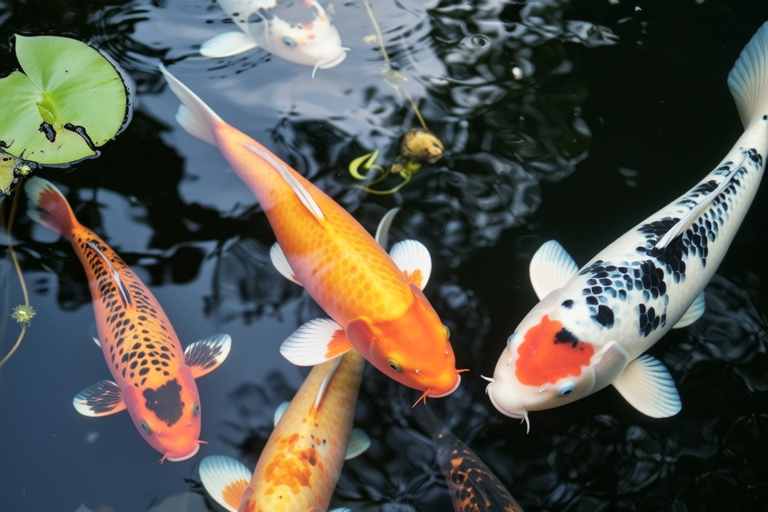
Koi Care 101: Essential Tips for Keeping Your Water Garden Thriving
Welcome to the fascinating world of koi keeping! Whether you’re a novice or an experienced enthusiast, this guide will provide you with essential tips to ensure your koi thrive in their aquatic home. From ideal water conditions to maintaining a balanced pond ecosystem, we’ve got you covered.
Understanding Ideal Water Conditions
Water quality is paramount when it comes to koi care. Koi require specific water parameters to stay healthy and vibrant. The optimal pH level for koi ponds ranges between 7.2 and 8.5, ensuring that the water is slightly alkaline. Maintaining the right pH balance helps prevent stress and promotes overall well-being.
Adequate oxygen levels are also crucial. Koi need at least 4 parts per million (ppm) of dissolved oxygen to breathe comfortably. Regularly check the oxygen content in your pond, especially during hot summer months when oxygen levels tend to drop. Installing an efficient aeration system can help maintain sufficient oxygen throughout the day.
Ammonia, nitrite, and nitrate levels should be monitored regularly. High concentrations of these compounds can lead to ammonia poisoning, which is extremely harmful to koi. A good filtration system and regular water changes are vital in keeping these levels within safe limits.
Feeding Practices
Proper feeding is key to keeping your koi healthy and active. Quality food provides essential nutrients that support growth, coloration, and immune function. Choose high-quality commercial koi pellets that contain a balanced mix of proteins, fats, carbohydrates, vitamins, and minerals.
Feed your koi only what they can consume within five minutes. Overfeeding leads to excess waste production, which deteriorates water quality and harms the pond’s ecosystem. Additionally, avoid feeding your koi immediately before or after heavy rain as the sudden influx of fresh water can dilute the nutrients in the food, making it less effective.
During colder months, reduce the frequency of feedings since koi become less active and their metabolism slows down. In winter, feeding should be minimal and limited to dry pellets. This ensures that any uneaten food doesn’t decompose and pollute the water.
Common Health Issues and Prevention
Like any living creature, koi are susceptible to various health problems. One of the most common issues is fin rot, characterized by frayed or disintegrating fins. This condition often results from poor water quality or physical injuries sustained while swimming.
Freshwater ich, caused by parasites, is another prevalent ailment among koi. Symptoms include white spots on the fish’s body and abnormal behavior such as scratching against objects in the pond. Treating ich involves raising the temperature of the water to about 82 degrees Fahrenheit and adding salt to the pond.
To prevent health issues, maintain pristine water conditions through regular water testing and cleaning. Quarantine new arrivals for at least two weeks before introducing them to your main pond. This practice helps identify potential diseases early on and prevents their spread to other koi.
Maintaining the Pond Ecosystem
The health of your koi depends heavily on the overall condition of their habitat. Proper filtration systems play a critical role in maintaining clean and clear water. Mechanical filters trap large debris like leaves and fish waste, while biological filters house beneficial bacteria that break down harmful compounds into less toxic substances.
In addition to filtration, incorporating live plants into your pond offers numerous benefits. Plants provide natural shade, reducing algae growth, and act as oxygenators, improving air circulation within the water. They also serve as hiding places for young fry and offer a source of food for adult koi.
Selecting suitable plants for your pond requires careful consideration. Hardy water lilies, lotus, and submerged plants like hornwort are excellent choices due to their ability to thrive in various water conditions. Floating plants like duckweed can also be added but should be controlled to avoid overcrowding.
Seasonal Adjustments
Adjusting your koi care routine according to different seasons ensures their continued health and happiness. During spring, perform a thorough cleaning of the pond, removing any accumulated debris from the bottom. This process helps kickstart the biological filter and sets the stage for a productive growing season.
Summer brings increased temperatures and sunlight, both of which promote rapid algae growth. To combat this issue, increase the frequency of partial water changes and consider installing UV sterilizers to kill free-floating algae spores. Providing ample shade via floating plants or artificial covers can also mitigate excessive heat buildup.
Autumn signals the approach of cooler weather. As temperatures begin to fall, gradually reduce the amount of food given to your koi. This adjustment allows their digestive systems time to adapt to the changing environment. Also, inspect the pond’s filtration system and make necessary repairs or upgrades to ensure it operates efficiently during the colder months.
Winter poses unique challenges for koi keepers. When temperatures dip below freezing, protect your koi by insulating the surface of the pond with a floating cover. These covers prevent ice formation and allow gases produced by decomposing organic matter to escape. Additionally, keep an aerator running throughout the winter to maintain adequate oxygen levels even under thick layers of ice.
Conclusion
Caring for koi involves more than just providing food and shelter; it requires attention to detail and commitment to maintaining a harmonious pond ecosystem. By understanding the ideal water conditions, implementing proper feeding practices, addressing common health issues promptly, and making seasonal adjustments, you’ll create an environment where your koi can flourish. Remember, every pond is unique, so tailor your approach based on the specific needs of your aquatic garden. Happy koi keeping!
