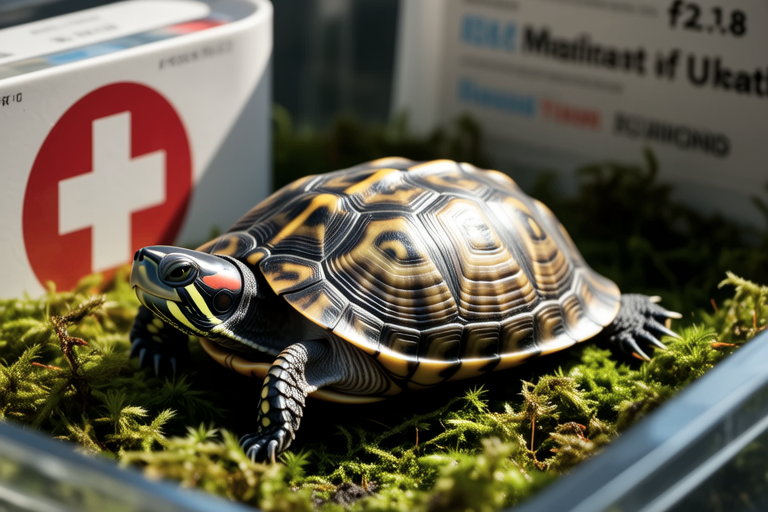
Rescue, Rehabilitate, and Rehome: A Journey with a Sickly Three-Striped Box Turtle
In the quiet of a summer afternoon, I stumbled upon a small, sickly creature hidden beneath a pile of leaves in my backyard. The discovery was unexpected, but it marked the beginning of a transformative journey that would change both my life and the life of a three-striped box turtle.
The Initial Discovery
It was a typical day; I was weeding my garden when something caught my eye—a tiny, motionless shell peeking out from under some fallen leaves. Curiosity piqued, I carefully moved aside the foliage to reveal a three-striped box turtle, its normally vibrant shell dulled by grime and neglect. Its eyes were sunken, and its limbs appeared weak. My heart sank as I realized this little reptile was in dire need of help.
The Turtle’s Condition
Upon closer inspection, it became clear that the turtle was suffering from severe dehydration, malnutrition, and what seemed to be a respiratory infection. Its shell was cracked in several places, and its skin was dry and flaky. The once-pristine markings that gave it its name—three distinct stripes running down its head—were barely visible. It was evident that this turtle had been abandoned or left to fend for itself in an environment unsuitable for its survival.
The First Steps: Rescue and Rehabilitation
With trembling hands, I gently scooped up the turtle and placed it in a cardboard box lined with soft towels. I knew I had to act quickly if there was any hope of saving it. After consulting with local veterinarians and wildlife rehabilitators, I began the long process of rehabilitating my new charge. The first step was to provide clean water and a nutrient-rich diet to combat dehydration and malnutrition.
Dietary Changes
The turtle’s diet needed a complete overhaul. Instead of the meager scraps it had been living on, I introduced a balanced mix of leafy greens, fruits, and protein-rich foods like earthworms and mealworms. I also ensured it had access to fresh water at all times. Over time, I observed a gradual improvement in the turtle’s energy levels and overall appearance.
Habitat Adjustments
The next challenge was creating a suitable habitat. I set up a spacious terrarium equipped with a heat lamp to mimic natural sunlight and a UVB light to aid in calcium absorption. The enclosure was filled with a mixture of soil and sand, providing the turtle with a substrate that mimicked its natural environment. Additionally, I included a shallow water dish for bathing and drinking, ensuring the turtle had a comfortable space to rest and recover.
Medical Treatments
The turtle’s respiratory infection required immediate attention. Under the guidance of a veterinarian, I administered antibiotics and monitored the turtle’s progress closely. Regular check-ups confirmed that the infection was slowly clearing, but the road to full recovery was still long. The cracked shell posed another significant issue, requiring careful cleaning and treatment to prevent further damage.
Challenges Faced During Recovery
The road to recovery was fraught with challenges. There were moments of frustration when progress seemed slow, and setbacks occurred. At times, the turtle would retreat into its shell, refusing food or water. These episodes were particularly disheartening, but I remained steadfast, knowing that persistence was key.
One of the most challenging aspects was ensuring the turtle received adequate sunlight for calcium absorption. Without proper exposure to UVB light, the turtle risked developing metabolic bone disease. To address this, I invested in a high-quality UVB lamp and positioned it correctly within the terrarium. This step proved crucial in supporting the turtle’s healing process.
The Emotional Journey
Beyond the physical challenges, there was an emotional toll. Watching the turtle struggle brought a deep sense of responsibility and empathy. Each small improvement, no matter how minor, was a source of immense joy. As the turtle began to show signs of recovery, such as increased activity and a healthier appetite, my bond with it grew stronger. I found myself checking on it multiple times a day, marveling at its resilience.
The Final Chapter: Rehoming
After months of dedicated care, the turtle finally reached a point where it was healthy enough for release. However, due to the extent of its previous neglect, it was deemed unsuitable for life in the wild. Instead, I partnered with a local wildlife sanctuary, which specializes in providing permanent homes for rescued animals. The sanctuary agreed to take the turtle, ensuring it would live out the rest of its days in a safe and nurturing environment.
Lessons Learned
This experience taught me invaluable lessons about wildlife rescue and conservation. It underscored the importance of responsible pet ownership and the impact of human actions on wildlife. The journey also highlighted the critical role of wildlife rehabilitators and sanctuaries in preserving species and ecosystems. Moreover, it reinforced the significance of community support in wildlife conservation efforts.
The successful rehoming of the turtle was a bittersweet moment. While I was relieved to see it in good hands, I also felt a pang of sadness at parting ways. However, the knowledge that it would live a happy and healthy life in a sanctuary brought a sense of fulfillment.
Conclusion
Rescue, rehabilitate, and rehome: these three simple words encapsulate the essence of my journey with the three-striped box turtle. It was a journey filled with challenges, triumphs, and profound lessons. Through this experience, I gained a deeper appreciation for the interconnectedness of life and the importance of caring for our planet’s creatures. Every effort, no matter how small, can make a difference in the lives of animals and contribute to the preservation of biodiversity.
