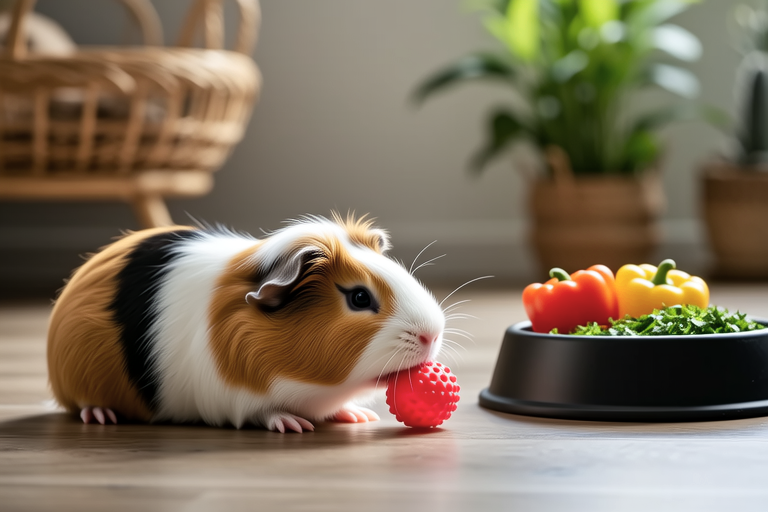
Ultimate Guide: Caring for Your Guinea Pig Like a Pro
Welcome to the ultimate guide on caring for your guinea pig like a pro! Whether you’re a first-time owner or an experienced guinea pig guardian, this comprehensive article will provide you with all the necessary information to ensure your pet lives a happy, healthy life. We’ll cover essential topics such as housing requirements, diet specifics, grooming needs, exercise recommendations, health care tips, and common behaviors. Let’s dive right in!
Housing Requirements
Proper housing is crucial for the well-being of your guinea pig. Here’s what you need to consider:
Size of the Cage
Your guinea pig needs ample space to move around freely. A minimum cage size of 7.5 square feet (or approximately 24 inches by 36 inches) is recommended for one guinea pig. If you have multiple guinea pigs, increase the space accordingly to at least 10.5 square feet for two guinea pigs.
Cage Setup
The cage should be equipped with soft bedding, such as shredded paper or hay, to make it comfortable and cozy for your guinea pig. Avoid using cedar or pine shavings as they can irritate your pet’s respiratory system. Additionally, include a hide box or tunnel for your guinea pig to retreat into when feeling scared or needing some alone time.
Location
Place the cage in a quiet area away from drafts and direct sunlight. Ensure the temperature stays between 65°F and 75°F (18°C to 24°C). Avoid placing the cage near air conditioners or heaters, as sudden temperature changes can stress your guinea pig.
Diet Specifics
A balanced diet is key to keeping your guinea pig healthy. Here’s what you need to know:
Fresh Hay
Guinea pigs require unlimited access to fresh timothy hay or orchard grass hay. This helps maintain their digestive health and keeps their teeth worn down.
Veggie Variety
Offer a variety of fresh vegetables daily. Dark leafy greens like romaine lettuce, kale, and spinach are excellent choices. Other suitable vegetables include bell peppers, carrots, and broccoli. Remember to introduce new vegetables gradually to avoid digestive upset.
Fruits in Moderation
Fruits can be offered as occasional treats due to their high sugar content. Opt for low-sugar fruits like strawberries, blueberries, and apples. Limit fruit servings to no more than a teaspoon per day.
Canned Food
Pellets specifically formulated for guinea pigs should be provided daily. These pellets should contain at least 18% fiber and be free from artificial colors, flavors, and preservatives. Always check the expiration date and discard any old food.
Water
Ensure your guinea pig has constant access to clean, fresh water. Use a sipper bottle designed for small animals to prevent spillage and keep the water clean.
Grooming Needs
Regular grooming is essential for maintaining your guinea pig’s hygiene and preventing health issues. Here’s how to care for your guinea pig’s coat:
Bathing
Guinea pigs do not require frequent baths. Bathe them only if absolutely necessary, using a gentle, pet-safe shampoo. After bathing, dry your guinea pig thoroughly with a towel and keep them warm until completely dry.
Brushing
Brush your guinea pig weekly to remove loose hair and prevent matting. Use a soft-bristled brush or a slicker brush designed for small animals. Pay extra attention to areas prone to matting, such as behind the ears and under the chin.
Nail Trimming
Trim your guinea pig’s nails every few weeks to prevent overgrowth. Use nail clippers specifically made for small animals. Be cautious not to cut the quick, which contains blood vessels and nerves. If you accidentally cut the quick, apply a styptic powder to stop the bleeding.
Tooth Care
Guinea pigs’ teeth grow continuously throughout their lives. Provide chew toys and untreated wood blocks to help wear down their teeth naturally. Monitor their dental health regularly and consult a veterinarian if you notice any signs of overgrown teeth, such as drooling or difficulty eating.
Exercise Recommendations
Physical activity is vital for your guinea pig’s physical and mental well-being. Here’s how to ensure they get enough exercise:
Playtime Outdoors
Supervise your guinea pig during playtime outside of the cage. Use a safe, enclosed area to prevent escapes and injuries. Place hay and fresh vegetables in different spots to encourage exploration and foraging.
Running Wheels
Consider providing a running wheel designed for guinea pigs. Ensure the wheel is large enough (at least 10 inches in diameter) to prevent joint injuries. Monitor your guinea pig while using the wheel and discontinue its use if you notice any discomfort or unusual behavior.
Interactive Toys
Provide toys that stimulate your guinea pig’s mind and body. Puzzle feeders, tunnels, and chew toys can help alleviate boredom and promote mental engagement. Rotate toys periodically to keep things interesting.
Health Care Tips
Regular health checks and preventive care are essential for your guinea pig’s longevity. Here’s how to keep your pet healthy:
Veterinary Visits
Schedule annual check-ups with a veterinarian who specializes in small animals. During these visits, your guinea pig will receive vaccinations and screenings for common diseases. Additionally, bring your guinea pig to the vet immediately if you notice any unusual symptoms or changes in behavior.
Common Health Issues
Be aware of common health problems that affect guinea pigs, such as dental disease, respiratory infections, and bladder stones. Early detection and treatment are crucial for managing these conditions effectively.
Parasite Control
Check your guinea pig regularly for external parasites like mites and fleas. Use flea combs to inspect their skin and fur. Consult a veterinarian for appropriate treatments if you detect any parasites.
Common Behaviors
Understanding your guinea pig’s behavior can help you provide better care and strengthen your bond. Here are some common behaviors:
Whistling and Chirping
Your guinea pig may whistle or chirp to communicate with other guinea pigs or to express excitement or distress. Pay attention to the context and respond accordingly.
Purring
When your guinea pig purrs, it usually indicates contentment. However, if purring is accompanied by other signs of illness, consult a veterinarian.
Barbering
If your guinea pig starts chewing on its own fur excessively, it could be a sign of stress, boredom, or nutritional deficiencies. Address the underlying cause by providing more stimulation and ensuring a balanced diet.
Aggression
While guinea pigs are generally docile, they may exhibit aggressive behavior if they feel threatened or uncomfortable. Avoid handling your guinea pig roughly and give them time to adjust to new situations.
Conclusion
Caring for your guinea pig requires attention to detail and a commitment to their well-being. By following the guidelines outlined in this ultimate guide, you’ll be well-equipped to provide your pet with a happy, healthy environment. Remember, a little effort goes a long way in ensuring your guinea pig leads a fulfilling life. Happy guinea pig parenting!
