Adopting a Hermit Crab? Tips for Ensuring Your New Companion Thrives!
Welcome to the wonderful world of hermit crabs! These fascinating creatures are not only delightful pets but also require careful attention to ensure they thrive in their new home. Whether you’re a first-time owner or an experienced hermit crab enthusiast, this guide will provide you with valuable insights into creating the perfect environment for your new companion.
Selecting the Right Habitat
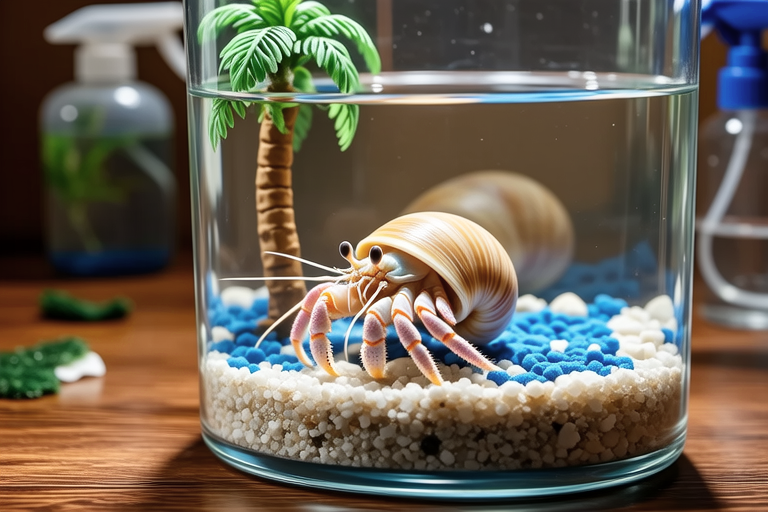
The first step in ensuring your hermit crab’s happiness is setting up a suitable habitat. A glass or plastic aquarium with a secure lid is ideal, as it provides the necessary ventilation while preventing escapes. The tank size depends on the number of hermit crabs you plan to house; a general rule is to allow at least one gallon of space per crab. For example, a 10-gallon tank can comfortably accommodate five hermit crabs.
Substrate is crucial for your hermit crab’s well-being. Choose a deep layer of sand or coconut fiber, which allows them to burrow and helps maintain the proper humidity level. Avoid using calcium sand, as it can be harmful if ingested. Ensure the substrate is clean and free from any harmful chemicals.
Appropriate Diet
Hermit crabs are omnivores, meaning they eat both plant and animal matter. A balanced diet includes a variety of foods to meet their nutritional needs. Offer them fresh fruits like apples, bananas, and berries, as well as vegetables such as carrots, spinach, and kale. Protein sources like fish flakes, shrimp, and cooked chicken can be provided occasionally.
Commercial hermit crab food can be used as a supplement, but it should not form the sole part of their diet. Always ensure that all food items are pesticide-free and thoroughly washed before offering them to your crabs. Additionally, provide a shallow dish of fresh water for drinking and soaking. Change the water daily to keep it clean and prevent bacterial growth.
Maintaining Optimal Humidity and Temperature
Hermit crabs thrive in a humid environment, ideally between 70% and 80%. Achieving this requires a combination of substrate and additional moisture sources. Mist the tank regularly with distilled or spring water to maintain humidity levels. You can also add a water dish filled with dechlorinated water, which serves as a dual purpose by providing hydration and a place for your crabs to soak.
Temperature plays a vital role in the health of your hermit crabs. They prefer temperatures ranging from 75°F to 85°F (24°C to 29°C). Use a heat lamp or under-tank heater to maintain these conditions, and always monitor the temperature with a reliable thermometer. Ensure there are cooler areas within the tank for your crabs to retreat to if they become too warm.
Necessary Tank Decorations
Creating a stimulating and enriching environment is key to your hermit crab’s happiness. Provide a variety of shells for your crabs to explore and eventually inhabit. Offer shells of different sizes, shapes, and textures to mimic their natural environment. Ensure that the shells are clean and free from pesticides or chemicals. It’s important to have more shells than crabs to avoid disputes over territory.
In addition to shells, include climbing structures such as driftwood, rocks, and branches. These provide opportunities for exercise and exploration. Arrange the decorations in a way that creates hiding spots and tunnels, which are essential for your crabs’ comfort and well-being. Adding live plants can enhance the aesthetic appeal of the tank and provide additional hiding places.
Common Health Issues
Despite your best efforts, hermit crabs may still encounter health issues. One common problem is shell disease, which occurs when bacteria or fungi grow inside the shell. Regularly inspect the shells for signs of discoloration, foul odors, or soft spots. If you notice any issues, remove the affected shell immediately and provide a clean, healthy alternative.
Another potential issue is dehydration, which can lead to serious health problems. Ensure your crabs have access to fresh water at all times and maintain proper humidity levels in their environment. Molting is a natural process where hermit crabs shed their exoskeletons to grow. During this time, they may become lethargic and seek out a secluded area. Provide a humid hide box filled with moist substrate to aid in the molting process.
Providing a Variety of Shell Options and Molting Care
One of the most exciting aspects of owning hermit crabs is watching them change shells. To facilitate this behavior, offer a wide selection of shells of various sizes and styles. Ensure that the shells are clean and free from any harmful substances. Hermit crabs often take their time selecting a new shell, so be patient and allow them to explore their options.
During the molting process, hermit crabs require special care. They may retreat to a secluded spot and remain there for several weeks. During this time, they are vulnerable and should not be disturbed. Provide a humid hide box filled with moist substrate to help them through the molting process. Once the molt is complete, your crab will need time to harden its new exoskeleton. Avoid handling them during this period to prevent injury.
Tips for Handling and Interacting Safely
While hermit crabs can be handled, it’s important to do so gently and with care. Always wash your hands before and after handling to prevent the transfer of oils or chemicals that could harm your crabs. Use slow, gentle movements and avoid sudden movements that might startle them.
When picking up a hermit crab, support its body rather than just grabbing the shell. This ensures that you don’t accidentally dislodge the crab from its shell. Interaction should be kept to a minimum, as excessive handling can cause stress. Spend time observing your crabs in their natural environment, and enjoy watching their unique behaviors and interactions.
In conclusion, adopting a hermit crab is a rewarding experience that comes with responsibilities. By providing a suitable habitat, a balanced diet, and regular care, you can ensure that your new companion thrives. Remember to handle them gently and respect their natural behaviors. With love and attention, your hermit crab will become a cherished member of your family.
