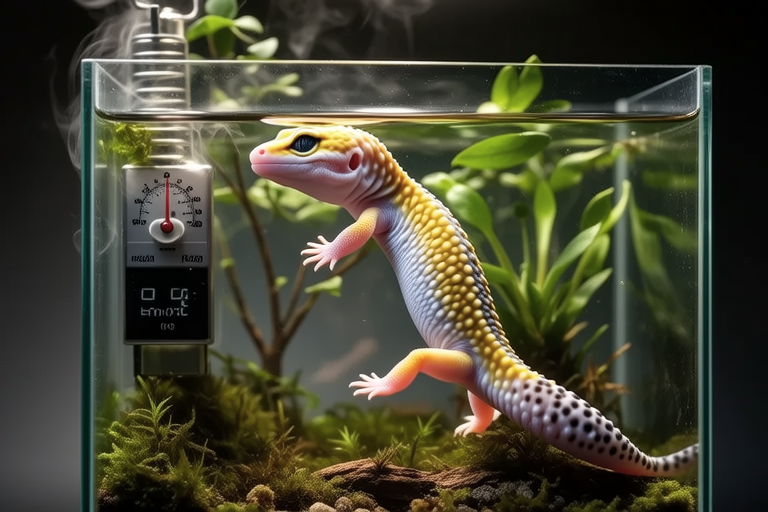
Pet Owner’s Ultimate Checklist for Keeping a Healthy Chameleon
Chameleons are fascinating creatures that make wonderful pets when cared for properly. However, they have specific needs that must be met to ensure their health and happiness. This comprehensive guide will cover everything you need to know about keeping a healthy chameleon, from habitat setup to diet specifics, health monitoring, and handling tips.
Habitat Setup: Creating the Perfect Environment
The first step in ensuring your chameleon’s well-being is setting up an appropriate habitat. The enclosure should mimic the natural environment of these arboreal lizards as closely as possible.
Enclosure Size
Chameleons need ample space to move around and climb. A minimum of 24 inches in width, 24 inches in depth, and 48 inches in height is recommended for most species. Larger enclosures are better, especially for adult males. This space allows them to display their full range of behaviors and helps reduce stress.
Lighting
Proper lighting is crucial for your chameleon’s health. UVB light is necessary for calcium absorption and overall bone health. Use a high-quality UVB bulb designed for reptiles, and position it so that it covers at least half of the enclosure. Replace the bulb every six months, even if it still appears to be working, as the UVB output diminishes over time. Additionally, provide a basking spot with a heat lamp to create a gradient of temperatures within the enclosure.
Temperature and Humidity
Maintaining the correct temperature and humidity levels is vital. Daytime temperatures should range between 75-85°F (24-29°C) with a basking spot reaching 90-95°F (32-35°C). Nighttime temperatures can drop to 65-75°F (18-24°C). Humidity should be kept at 50-70% during the day and allowed to drop slightly at night. Mist the enclosure daily or use an automatic mister to maintain proper humidity levels.
Substrate and Decorations
Use a substrate that does not pose a risk of ingestion, such as paper towels or reptile carpet. Avoid substrates like sand or gravel, which can cause impaction if ingested. Provide plenty of branches and vines for climbing, and include live or artificial plants for hiding and resting. Ensure all decorations are securely placed to prevent accidents.
Diet Specifics: Nourishing Your Chameleon
Feeding your chameleon correctly is key to its health. These animals are insectivores, meaning their diet consists primarily of insects.
Types of Food
Variety is important in a chameleon’s diet. Offer a mix of crickets, dubia roaches, silkworms, hornworms, and waxworms. Waxworms should be fed sparingly due to their high-fat content. Dust feeder insects with a calcium supplement twice a week and a multivitamin once a week. Gut load insects by feeding them nutritious foods before offering them to your chameleon.
Feeding Schedules
Feed younger chameleons more frequently, typically every day, while adults can be fed every other day. Monitor your chameleon’s body condition and adjust feeding frequency accordingly. Always remove uneaten insects after one hour to prevent injury to your pet.
Health Monitoring: Early Detection and Prevention
Regular monitoring of your chameleon’s health is essential for early detection of any issues. Familiarize yourself with normal behavior and appearance so you can quickly identify signs of illness.
Signs of Illness
Look out for changes in appetite, lethargy, abnormal droppings, respiratory issues, and physical symptoms such as swollen eyes, mouth rot, or abscesses. If you notice any of these signs, consult a veterinarian who specializes in exotic pets immediately.
Regular Check-Ups
Schedule annual check-ups with a vet to monitor your chameleon’s health. During these visits, the vet will perform a thorough examination, including blood tests, to catch any potential issues early.
Tips for Handling and Socializing
Handling should be done carefully and infrequently to avoid stressing your chameleon. Always support its body and never restrain it. Let your chameleon become accustomed to your presence before attempting to handle it.
Introducing New Environments
When introducing your chameleon to a new environment, allow it to explore at its own pace. Place it in a secure area where it feels safe and comfortable. Gradually introduce new elements to its habitat to help it acclimate.
Socialization
Chameleons are solitary animals and do not require companionship. In fact, housing multiple chameleons together can lead to aggression and stress. Focus on providing a stimulating and enriching environment for your chameleon rather than seeking out companions.
Conclusion
By following this ultimate checklist, you’ll be well on your way to providing your chameleon with the best possible care. Remember, the key to keeping a healthy chameleon lies in creating a suitable habitat, feeding it properly, monitoring its health, and handling it gently. With dedication and attention to detail, you can ensure your chameleon lives a long, happy life.
