Leopard Gecko Care: Everything You Need to Know Before Buying One
Introduction
Welcome to the world of leopard geckos! These small, hardy lizards have become one of the most popular pets for both beginners and experienced reptile enthusiasts. Known for their docile nature and relatively low maintenance, leopard geckos make great companions. However, like any pet, they require proper care and attention to thrive. This comprehensive guide will cover everything you need to know before bringing a leopard gecko into your home.
Basic Information About Leopard Geckos
Leopard geckos (Eublepharis macularius) are native to the arid regions of Pakistan, Afghanistan, and parts of India. They are nocturnal creatures that spend most of their day hiding in burrows or under rocks to avoid the harsh desert sun. Their average lifespan ranges from 10 to 20 years, making them long-term companions.
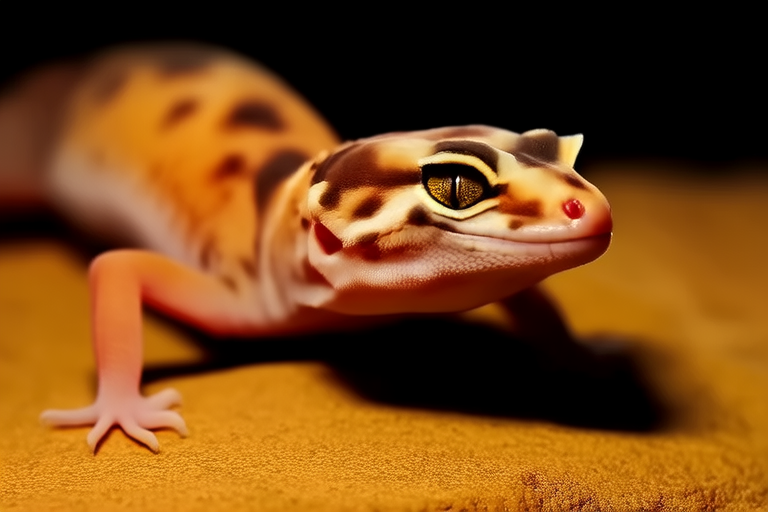
Adult leopard geckos typically reach lengths between 8 and 10 inches, with females generally being slightly smaller than males. Their skin is covered in small, bumpy scales that give them a rough texture. Leopard geckos come in various colors and patterns, thanks to selective breeding. Some common morphs include albino, tangerine, high yellow, and patternless geckos.
Housing Requirements
Creating an appropriate habitat is crucial for your leopard gecko’s health and well-being. Here’s what you need to consider:
Terrarium Size
A 20-gallon tank is sufficient for one adult leopard gecko. For multiple geckos, add 10 gallons per additional lizard. A larger enclosure allows for more space to explore and reduces stress.
Substrate
Choose a safe substrate that mimics their natural environment. Reptile carpet, paper towels, or indoor-outdoor carpet are excellent choices as they are easy to clean and pose no risk of ingestion. Avoid substrates like sand, gravel, or wood shavings, which can cause impaction if swallowed.
Hiding Spots and Decorations
Provide several hiding spots throughout the terrarium. Cork bark, half logs, or commercial reptile caves work well. These hideouts offer security and aid in reducing stress. Additionally, add branches, plants, and other decorations to create a stimulating environment.
Temperature and Humidity
Maintain a temperature gradient within the enclosure by placing a heat source at one end. The warm side should be around 90°F (32°C), while the cool side should be approximately 75°F (24°C). Use a digital thermometer to monitor these temperatures accurately.
Humidity levels should be kept between 30% and 40%. Leopard geckos absorb moisture through their skin, so providing a shallow water dish helps maintain proper hydration. Mist the enclosure lightly once or twice a week to increase humidity temporarily.
Diet and Nutrition
Leopard geckos are insectivores, meaning their diet consists mainly of insects. Here’s how to ensure your gecko gets the nutrients it needs:
Feeding Schedule
Feed adult geckos every two days, offering 2-3 appropriately sized crickets or dubia roaches per feeding session. Juvenile geckos may need daily feedings due to their rapid growth rate. Remove uneaten prey after one hour to prevent overfeeding.
Supplements
Insects should be gut-loaded with nutrient-rich vegetables and fruits before feeding them to your gecko. Dusting the insects with calcium and vitamin D3 supplements is also essential. Follow the manufacturer’s instructions regarding frequency and dosage.
Water
Always provide fresh, clean water in a shallow dish. Change the water daily to prevent bacterial growth.
Health Care Essentials
Regular veterinary check-ups and preventive measures can help keep your leopard gecko healthy:
Veterinary Care
Find a veterinarian specializing in exotic animals. Schedule annual check-ups and discuss any concerns or changes in behavior with your vet.
Common Health Issues
Metabolic bone disease (MBD) is a prevalent issue caused by calcium deficiency. Signs include swollen limbs, lethargy, and difficulty moving. Ensure adequate calcium intake and consult your vet if symptoms appear.
Impaction occurs when substrate or other foreign objects block the digestive tract. Symptoms include loss of appetite, bloating, and constipation. Prevent this by using safe substrates and avoiding large meals.
Behavior and Interaction Tips
Leopard geckos are generally calm and gentle, but handling them requires care:
Handling
Allow your gecko time to acclimate to its new environment before handling. When picking up your gecko, gently scoop it from below and support its body. Never grab it by the tail, as it may drop its tail as a defense mechanism.
Interaction
Leopard geckos are solitary animals and prefer minimal human interaction. Spend short periods interacting with your gecko each day to build trust. Avoid disturbing them during nighttime, as they are nocturnal.
Common Myths Debunked
There are many misconceptions about leopard geckos. Let’s address some of the most common ones:
Myth: Leopard Geckos Require UVB Lighting
Unlike some other reptiles, leopard geckos do not require UVB lighting. They synthesize vitamin D3 through their skin when exposed to ambient light. Providing a heat lamp is sufficient.
Myth: Leopard Geckos Can Hibernate
Leopard geckos do not hibernate. In the wild, they enter a state called brumation, where they reduce activity during cooler months. In captivity, maintaining consistent temperatures prevents brumation.
Myth: Leopard Geckos Are Nocturnal, So They Don’t Need Heat
While leopard geckos are primarily active at night, they still require heat to digest food and regulate body temperature. Always provide a thermal gradient within the enclosure.
Advice on Choosing the Right Leopard Gecko from a Reputable Breeder
Buying from a reputable breeder ensures you get a healthy, well-socialized gecko. Here’s how to find the right breeder:
Research
Look for breeders with positive reviews and recommendations from other reptile owners. Check their websites, social media profiles, and online forums for testimonials.
Questions to Ask
Ask about the breeder’s experience, breeding practices, and health guarantees. Request proof of health examinations and ask about the gecko’s history, including diet and habitat setup.
Inspect the Gecko
If possible, visit the breeder in person to meet the gecko. Look for signs of good health, such as clear eyes, smooth skin, and alert behavior. Avoid geckos showing signs of illness, such as lethargy or discharge from the nose or eyes.
Conclusion
Owning a leopard gecko can be a rewarding experience. By understanding their needs and providing proper care, you can ensure your gecko lives a happy and healthy life. Take your time researching and preparing for your new pet, and always prioritize their well-being above all else.
