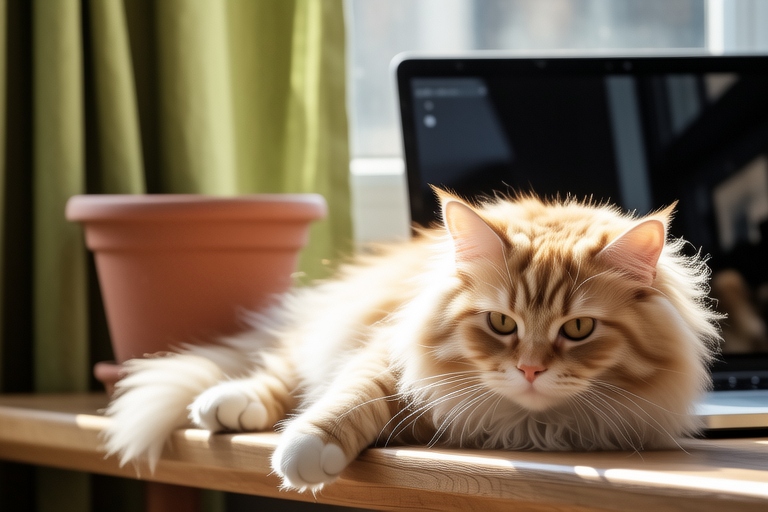
From Sunbeams to Computer Screens: How Orange Cats Conquered the Web
Orange cats, with their striking coats and charismatic personalities, have long been cherished by cat lovers around the world. These felines possess a unique blend of traits that set them apart from other breeds, making them particularly appealing. Their distinctive orange fur, which can range from a soft cream to a deep copper hue, is not just visually captivating but also speaks to their genetic diversity. The gene responsible for the orange coloration is sex-linked, meaning it is more commonly found in male cats, leading to an abundance of orange male cats in shelters and homes.
The Historical Presence of Orange Cats
Historically, orange cats have been a common sight in households and folklore. In ancient Egypt, cats were revered as sacred animals, and their roles in mythology often included colorful depictions that could be interpreted as including orange hues. Over time, orange cats became symbols of good luck and protection, with many tales and legends featuring these felines as central characters. As societies evolved, so did the roles of cats, transitioning from protectors of grain stores to beloved companions in modern homes.
However, it wasn’t until the advent of the internet that orange cats truly began to shine. The digital age provided a platform for these felines to reach global audiences, transcending geographical boundaries and cultural differences. The rise of social media platforms like Instagram, Facebook, and Twitter has allowed orange cats to captivate millions of users worldwide.
Transitioning into Internet Fame
The journey of orange cats from household pets to internet celebrities began subtly. Early adopters of social media shared photos and videos of their orange companions, initially within close-knit circles of friends and family. Gradually, these posts gained traction, sparking interest among broader audiences. The viral nature of the internet played a pivotal role, with popular shares and comments amplifying the visibility of these cats.
One of the earliest and most iconic orange cat influencers was Maru, a Japanese cat known for his love of boxes. His simple yet charming antics, captured in short, unedited videos, resonated with viewers across the globe. Maru’s videos demonstrated the universal appeal of cats, showing that even the simplest behaviors can be entertaining and heartwarming. This laid the groundwork for other orange cats to follow in his footsteps, each bringing their own unique personality to the forefront.
The Psychology Behind the Appeal
The popularity of orange cats online is not merely a result of their appearance but also stems from deeper psychological factors. Research suggests that people are naturally drawn to images and videos of animals, particularly cats, because they evoke feelings of comfort, nostalgia, and companionship. The softness of an orange cat’s coat, combined with its expressive eyes and playful demeanor, taps into our innate desire for connection and affection.
Cognitive psychologists argue that the repetitive and predictable nature of cat behavior, such as grooming, napping, and chasing toys, provides a soothing visual experience. This phenomenon, often referred to as ‘cat videos therapy,’ helps reduce stress and anxiety, offering a brief escape from the complexities of daily life. Additionally, the relatable and endearing qualities of orange cats make them ideal subjects for humor and entertainment, contributing to their widespread appeal.
Anecdotes and Case Studies
Among the myriad of orange cat influencers, Grumpy Cat, whose real name was Tardar Sauce, stands out as a prime example. Born with a genetic condition that caused her upper lip to curl, Grumpy Cat became an internet sensation with her perpetually grumpy expression. Her image and videos were shared millions of times, spawning merchandise, books, and even a movie. Grumpy Cat’s success demonstrates how unique physical traits can enhance a cat’s appeal, turning it into a cultural icon.
Another notable orange cat is Lil BUB, a small, quirky feline with a variety of health conditions, including dwarfism and an extra toe on each paw. Despite her challenges, Lil BUB’s resilience and charm endeared her to millions of followers. She has become a symbol of strength and positivity, inspiring people to embrace their uniqueness. Lil BUB’s story highlights the power of social media in giving voice to underrepresented groups, both human and animal.
Impact on Online Culture and Communities
The rise of orange cat influencers has significantly impacted online culture, fostering the growth of vibrant communities centered around these felines. Social media platforms dedicated to cat content have emerged, providing spaces for enthusiasts to share stories, photos, and advice. These communities serve as virtual sanctuaries where people can connect over a shared passion, forming bonds that transcend physical distance.
In addition to building communities, orange cats have influenced trends in digital media. Brands and advertisers have capitalized on the popularity of these cats, integrating them into marketing campaigns and product designs. From branded cat food to themed clothing, the influence of orange cats extends beyond mere entertainment, becoming a driving force in consumer culture.
The Future of Orange Cats in Digital Media
As we look towards the future, the trend of orange cats conquering the web shows no signs of slowing down. With advancements in technology, such as virtual reality and augmented reality, there is potential for new ways to engage with these feline celebrities. Interactive experiences that allow users to virtually interact with orange cats could further enhance their appeal, creating immersive environments that blur the lines between digital and physical worlds.
The ongoing trend of orange cats in digital media reflects a broader shift in human-cat relationships. In an increasingly digital age, the bond between humans and their pets is evolving, with pets becoming integral parts of our online identities. This trend underscores the importance of emotional connections and companionship in our lives, highlighting the role that animals play in providing comfort and joy.
In conclusion, from sunbeams to computer screens, orange cats have conquered the web through their unique traits, historical presence, and undeniable charm. Their journey from household pets to internet celebrities illustrates the power of social media in shaping cultural trends and fostering connections. As we continue to explore the digital landscape, the enduring popularity of orange cats serves as a reminder of the timeless bond between humans and their feline companions.
