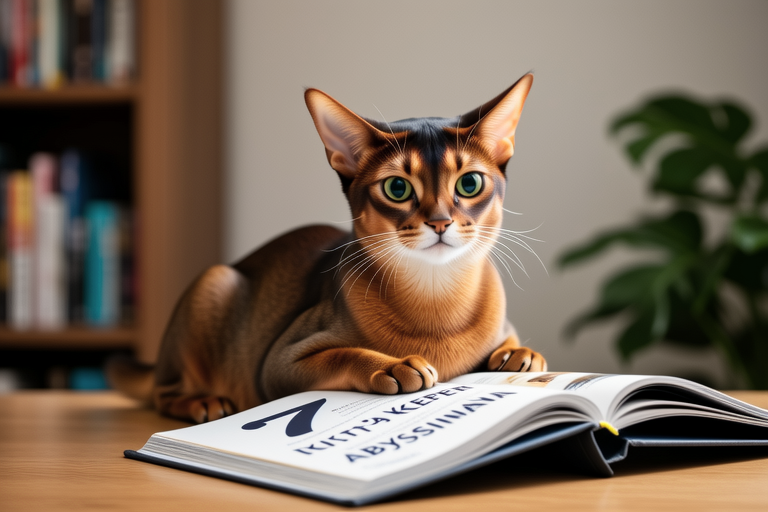
7 Myths and Truths About Keeping an Abyssinian as Your Furry Companion
The Abyssinian cat is a breed known for its striking appearance and lively personality. With their short, ticked coats that resemble the coat pattern of leopards, they stand out among other breeds. These cats have a rich history, believed to be descendants of ancient Egyptian cats, and are celebrated for their intelligence and playful nature. If you’re considering adding an Abyssinian to your family, it’s important to separate fact from fiction regarding their care and behavior.
Myth 1: Abyssinians Are Difficult to Train
One of the most common misconceptions about Abyssinian cats is that they are untrainable. This couldn’t be further from the truth. Abyssinians are highly intelligent and can be trained to perform various tricks, just like dogs. They can learn to fetch toys, sit on command, and even walk on a leash. Training an Abyssinian requires patience and positive reinforcement. Use treats and praise to reward good behavior, and avoid punishing them for mistakes. The key is consistency and understanding their natural curiosity and playfulness.
Myth 2: They Are Too Active to Be Indoors
Abyssinians are known for their high energy levels, which often leads people to believe they require constant outdoor access. However, Abyssinians thrive indoors, especially if they have ample space to explore and climb. Provide them with plenty of vertical spaces, such as cat trees and shelves, to satisfy their climbing instincts. Interactive toys and puzzle feeders can also help channel their energy into constructive activities. Regular play sessions are essential to keep them mentally and physically stimulated.
Myth 3: Abyssinians Don’t Get Along with Other Pets
Contrary to popular belief, Abyssinians can coexist peacefully with other pets, including dogs and other cats, given proper introduction and socialization. Early exposure to different animals is crucial for fostering harmonious relationships. Introduce new pets gradually and under supervision to ensure a smooth transition. Abyssinians are social creatures and enjoy companionship. Providing a structured environment where all pets feel safe and valued will promote a peaceful household.
Myth 4: Their Coat Requires Minimal Grooming
Despite their short coats, Abyssinians still need regular grooming to maintain their health and appearance. Their coats consist of guard hairs with a unique ticking pattern, which can easily become matted if not cared for properly. Brush them at least once a week to remove loose hair and prevent matting. Bathing is generally unnecessary unless they get particularly dirty or develop skin issues. Using a soft brush and gentle shampoo designed for cats can help keep their coat shiny and healthy.
Myth 5: They Are Not Suitable for Families with Children
Abyssinians are often thought to be too delicate for households with children. In reality, Abyssinians are affectionate and can form strong bonds with their human families, including children. Teaching children how to handle and interact with the cat gently is essential. Supervise interactions to ensure safety and respect for the cat’s boundaries. Abyssinians are active and playful, making them great companions for energetic kids who enjoy games and cuddles.
Myth 6: They Are Prone to Many Health Issues
Abyssinians are generally healthy cats, but like all breeds, they are susceptible to certain genetic conditions. One of the most common issues is dental disease, which can be managed through regular dental care. Brushing their teeth and providing chew toys can help maintain oral hygiene. Periodic veterinary check-ups are crucial for early detection and management of any health concerns. A balanced diet and regular exercise contribute to their overall well-being.
Myth 7: They Are Expensive to Own
Owning an Abyssinian may seem costly initially due to their price tag and the need for quality food and toys. However, the long-term expenses are manageable with proper planning. Investing in a good quality litter box, scratching post, and interactive toys is worth the investment for their happiness and health. Regular visits to the vet, especially for routine check-ups and vaccinations, are necessary but can be budgeted effectively. Many owners find the joy and companionship of an Abyssinian well worth the cost.
Conclusion: Embracing the Rewarding Experience of Owning an Abyssinian
Owning an Abyssinian cat can be a deeply rewarding experience, filled with love, laughter, and companionship. By dispelling these myths and understanding the true nature of this remarkable breed, potential owners can make informed decisions about bringing an Abyssinian into their lives. While there are challenges, the benefits far outweigh them. Providing a loving home, proper care, and attention to their unique needs ensures a happy and healthy life for your Abyssinian companion.
Whether you’re a first-time pet owner or an experienced cat lover, the Abyssinian’s intelligence, playfulness, and affection make them a wonderful addition to any family. Remember, every cat is an individual, and what works for one might not work for another. Always consult with veterinarians and experienced breeders for personalized advice tailored to your specific situation. Embrace the journey of raising an Abyssinian, and prepare yourself for a lifetime of unforgettable moments with your feline friend.
