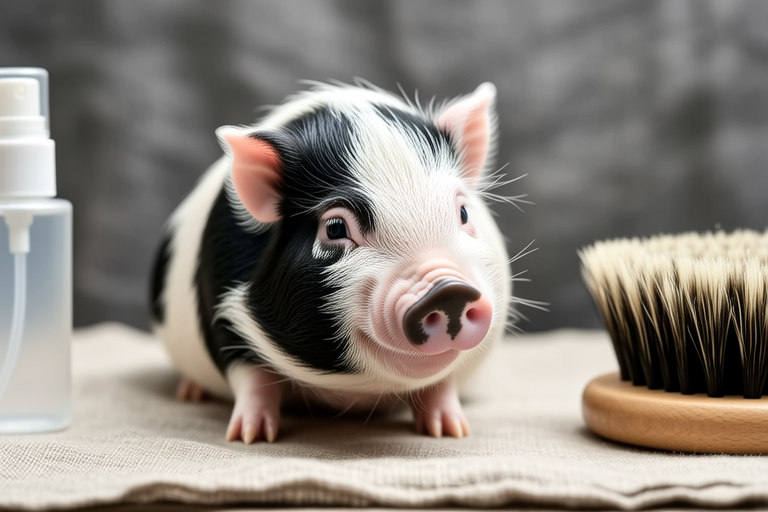
Guinea Pig Grooming: Tips and Tricks for Fluffy Friends
Welcome to the world of guinea pig grooming! Regular grooming isn’t just about keeping your fluffy friend looking their best; it’s also crucial for maintaining their health and well-being. Proper grooming can help prevent skin problems, reduce the risk of hairballs, and even strengthen the bond between you and your pet. This guide will walk you through the essentials of guinea pig grooming, offering tips and tricks that will make your grooming sessions enjoyable and productive.
The Importance of Regular Grooming
Regular grooming plays a significant role in your guinea pig’s overall health. It helps maintain a clean environment, which is vital for preventing infections and other health issues. Additionally, grooming provides an opportunity for you to monitor your pet’s physical condition closely. By regularly checking their skin, fur, and nails, you can quickly identify any potential problems and address them before they escalate.
Moreover, grooming is a fantastic way to bond with your guinea pig. Many guinea pigs enjoy the attention and gentle handling that comes with grooming sessions. These moments of interaction can strengthen the emotional connection between you and your pet, making them feel more secure and loved.
Selecting the Right Brushes for Your Guinea Pig
Choosing the right brush for your guinea pig depends largely on the length of their coat. For short-haired guinea pigs, a soft-bristled brush or a fine-toothed comb is ideal. These tools effectively remove loose hair and debris without causing discomfort. On the other hand, long-haired guinea pigs require more specialized care. A slicker brush with fine bristles works well for removing tangles and mats from their longer coats.
When selecting brushes, always opt for those designed specifically for small animals. Avoid using human hairbrushes or combs as they may be too rough and could potentially hurt your guinea pig’s delicate skin.
Bathing Techniques for Clean and Happy Guinea Pigs
While guinea pigs don’t need frequent baths, occasional cleaning might be necessary. Overbathing can strip away natural oils from their skin, leading to dryness and irritation. Therefore, limit baths to once every few months unless there’s a specific hygiene issue.
To bathe your guinea pig safely:
- Use lukewarm water: Ensure the temperature is comfortable for your pet.
- Choose gentle shampoo: Opt for shampoos formulated for small animals or hypoallergenic baby shampoos.
- Be gentle: Use your hands to apply shampoo gently, avoiding the face and ears.
- Rinse thoroughly: Make sure all soap is washed off to prevent irritation.
- Dry carefully: Use a soft towel to pat them dry, paying extra attention to areas where water can get trapped, such as under the chin.
Nail Trimming Methods
Trimming your guinea pig’s nails is an important part of their grooming routine. Long nails can cause discomfort and affect their mobility. To trim your guinea pig’s nails:
- Prepare your tools: Have a pair of small animal nail clippers or scissors at hand.
- Handle your guinea pig gently: Wrap them in a towel to keep them calm and still.
- Identify the quick: The quick is the blood vessel inside the nail. It’s usually visible as a dark line. Be cautious not to cut into this area as it can cause bleeding.
- Trim carefully: Cut a small amount at a time, checking for the quick after each cut.
- Apply styptic powder: In case of accidental cuts, apply styptic powder to stop bleeding.
If you’re unsure about nail trimming, consider consulting a veterinarian or a professional groomer for guidance.
Checking Teeth for Health
Your guinea pig’s dental health is crucial since their teeth grow continuously throughout their lives. Overgrown teeth can lead to painful mouth conditions and difficulties eating. Regularly check your guinea pig’s teeth by gently opening their mouth and observing for any signs of overgrowth or abnormality.
If you notice any issues, consult your vet immediately. Providing appropriate hay and chew toys can help naturally wear down their teeth and prevent overgrowth.
Handling Your Guinea Pig During Grooming Sessions
Handling your guinea pig correctly ensures a safe and stress-free grooming experience for both of you. Always approach your pet calmly and gently, speaking softly to reassure them. Place them on a stable surface or hold them securely but comfortably in your lap.
Start grooming sessions slowly, allowing your guinea pig to adjust to the process. Reward them with treats and praise for remaining calm during the session. This positive reinforcement encourages cooperation and reduces anxiety.
Identifying and Addressing Common Grooming Issues
Common grooming issues include mats and parasites. Mats are clumps of tangled fur that can form due to shedding or lack of proper grooming. To address mats:
- Untangle gently: Use your fingers or a wide-toothed comb to work out tangles slowly.
- Avoid pulling: Pulling can cause pain and distress to your guinea pig.
- Seek professional help: If mats are severe, consult a professional groomer.
Parasites, such as mites or lice, can also affect your guinea pig. Symptoms include excessive scratching, hair loss, and skin irritation. If you suspect parasites, contact your veterinarian for diagnosis and treatment options.
Building a Bond Through Grooming
Grooming is not only about maintaining cleanliness and health; it’s also an excellent opportunity to build trust and affection with your guinea pig. The gentle touch and consistent care during grooming sessions can create a strong emotional bond. Take the time to enjoy these moments together, and remember that patience and gentleness are key.
By incorporating regular grooming into your routine, you’ll ensure your guinea pig remains healthy, happy, and well-groomed. Remember, every grooming session is an opportunity to deepen your relationship with your furry companion.
