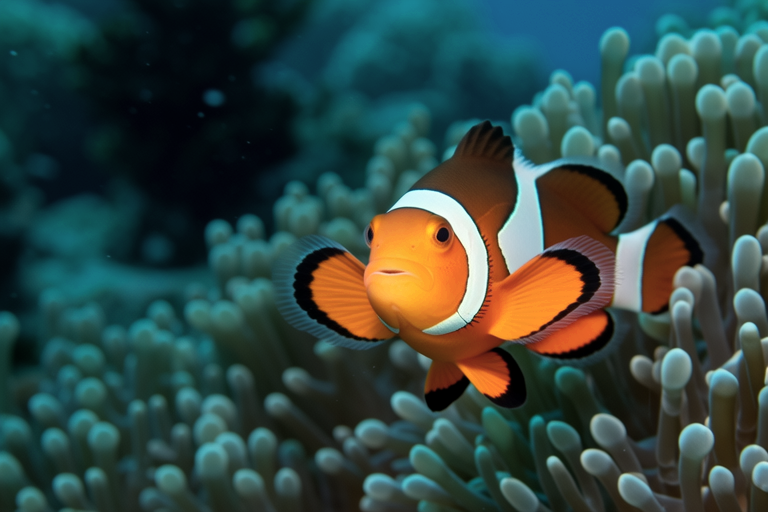
Discover the Hidden World of Clownfish: Myths vs Realities
Clownfish have captured the hearts of many, from children to adults, thanks to their vibrant colors and unique personalities. These small, brightly colored fish are among the most popular species in aquariums worldwide, and their star appearance in films like ‘Finding Nemo’ has only heightened their appeal. Their striking orange and white stripes make them stand out in any aquatic setting, but beyond their aesthetic charm lies a fascinating world of biology and behavior that is often misunderstood.
Habitat Preferences: Beyond the Anemone
One of the most common misconceptions about clownfish is that they can only survive in the presence of sea anemones. While it’s true that clownfish have a special relationship with these plants, this doesn’t mean they’re completely dependent on them. In the wild, clownfish can be found in various habitats, including coral reefs, rocky shores, and seagrass beds. Scientific studies have shown that while sea anemones provide protection and food, clownfish can also thrive without them, especially in areas where anemones are scarce.
Another myth is that all clownfish prefer shallow waters. While many species are indeed found in shallow, tropical waters, some can be found at depths of up to 50 meters. The depth preference varies between species and is influenced by factors such as water temperature, food availability, and predation risk.
Behavioral Myths: Clownfish in Action
Many people believe that clownfish are naturally aggressive towards other fish. This is not entirely accurate. In reality, clownfish exhibit a range of behaviors depending on their environment and social structure. They can be territorial, particularly when defending their host anemone, but they are generally peaceful towards non-predatory species.
Contrary to popular belief, clownfish do not always form monogamous pairs. While some species do form long-term pair bonds, others may engage in more fluid mating systems. Males can change sex if necessary, transitioning from male to female to ensure reproductive success.
Symbiotic Relationships: A Mutualistic Bond
The relationship between clownfish and sea anemones is one of the most fascinating examples of symbiosis in the animal kingdom. Clownfish live among the tentacles of sea anemones, which are usually lethal to other fish due to their stinging cells. However, clownfish have developed a protective mucus layer that prevents the anemone’s stings from affecting them. In return, clownfish help to keep the anemone clean by removing debris and waste, and they also attract prey by darting around the tentacles, making it easier for the anemone to catch its food.
Interestingly, clownfish are not born immune to the anemone’s sting. They must acclimate themselves gradually, touching the tentacles gently until they build up a tolerance. This process can take several days, during which the clownfish may suffer minor injuries.
Compatibility with Other Sea Creatures
There’s a widespread belief that clownfish can coexist peacefully with any type of fish. While they can sometimes live harmoniously with certain species, this depends on the specific conditions of the tank and the temperament of the individual fish. It’s important to research potential tankmates thoroughly before introducing them to a clownfish tank.
Clownfish are generally compatible with other peaceful, reef-safe species. However, they may become aggressive towards other clownfish or similar-looking species if space is limited. This is because clownfish are territorial, especially when it comes to protecting their host anemone.
Tips for Keeping Clownfish as Pets
If you’re considering adding clownfish to your aquarium, there are several key points to keep in mind. First and foremost, understand their true needs for a healthy environment. Clownfish require a well-maintained tank with appropriate water parameters, including temperature, pH, and salinity. They also need ample hiding spots and plenty of swimming space.
It’s crucial to provide a suitable diet for your clownfish. In the wild, they feed on algae, zooplankton, and small crustaceans. In captivity, they can thrive on a diet of high-quality flake foods, frozen foods, and occasional treats like brine shrimp. Regular feeding and monitoring of their health will ensure they remain active and vibrant.
Lastly, consider the tank setup. While it’s tempting to recreate the natural habitat with a sea anemone, it’s not always necessary. If you choose to include one, ensure it’s the right species and that both the anemone and the clownfish are healthy before introducing them to the same tank.
