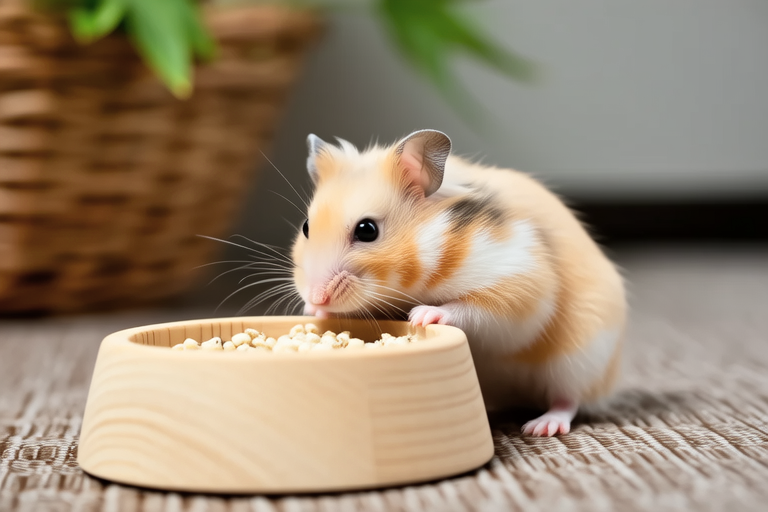
Training Tips for Making Your Golden Hamster Happier at Home
Welcome to the wonderful world of golden hamsters! These adorable creatures are not only cute but also full of character and charm. As a responsible pet owner, you have the power to make your golden hamster’s life more enjoyable and fulfilling. By understanding their unique needs and providing them with a stimulating environment, proper diet, and regular exercise, you can ensure that your furry friend leads a happy and healthy life. This article will guide you through essential tips on creating a stimulating environment, proper diet, exercise routines, handling techniques, and signs of a happy and healthy hamster. Let’s dive into how you can strengthen the bond between you and your golden hamster.
Understanding Golden Hamster Behavior and Needs
Before we delve into specific training tips, it’s crucial to understand the behavior and needs of your golden hamster. These nocturnal animals are most active during the night, so they require a quiet and dark environment during the day. They are solitary by nature, meaning they prefer living alone rather than in pairs or groups. Providing a spacious cage and plenty of toys will help satisfy their need for exploration and mental stimulation.
Golden hamsters are naturally curious and intelligent creatures, often referred to as “pocket pets” due to their small size. They love to dig, burrow, and explore their surroundings. Understanding these behaviors will help you create a home environment that caters to their natural instincts.
Creating a Stimulating Environment
The first step in making your golden hamster happier at home is to provide them with a stimulating environment. A spacious cage is essential, as it allows your hamster to move around freely and engage in various activities. The cage should be at least 36 inches long, 18 inches wide, and 18 inches high, ensuring ample space for running, climbing, and playing.
In addition to adequate space, it’s important to include various toys and accessories that encourage exploration and mental stimulation. Consider adding tunnels, wheels, chew toys, and hideouts to keep your hamster entertained. These items not only provide physical exercise but also satisfy their natural curiosity.
Ensure that the cage is placed in a quiet area away from direct sunlight and drafts. A comfortable temperature range for golden hamsters is between 65°F and 75°F (18°C to 24°C). Avoid placing the cage near windows or doors, as sudden noises or movements may startle your hamster.
Another crucial aspect of creating a stimulating environment is providing bedding material. Shredded paper, wood shavings, or recycled paper products are excellent choices for bedding. Avoid cedar or pine shavings, as they contain aromatic oils that can irritate your hamster’s respiratory system. Provide enough bedding to allow your hamster to dig and create tunnels, which they enjoy doing.
Proper Diet for a Happy Hamster
Feeding your golden hamster a balanced diet is vital for their overall health and happiness. A good quality commercial hamster mix is a great starting point, as it contains a variety of seeds, grains, and pellets. However, it’s essential to supplement this mix with fresh vegetables and fruits to provide essential vitamins and minerals.
Vegetables such as carrots, broccoli, spinach, and bell peppers are excellent additions to your hamster’s diet. Fruits like apples, bananas, and blueberries can be offered in moderation. Always wash the produce thoroughly before feeding it to your hamster to remove any pesticides or chemicals.
Avoid feeding your hamster foods that are harmful to them, such as chocolate, caffeine, onions, and garlic. These foods can cause digestive issues or even be toxic to your pet. Additionally, avoid giving your hamster too many sugary treats, as they can lead to obesity and dental problems.
Ensure that fresh water is always available in a sipper bottle or shallow dish. Change the water daily to prevent bacterial growth and maintain hygiene. A clean and fresh water source is crucial for your hamster’s hydration and overall health.
Exercise Routines for Your Hamster
Physical activity is essential for maintaining your hamster’s health and preventing boredom. While your hamster will get some exercise by exploring their cage, providing additional opportunities for movement and play is beneficial.
A running wheel is an excellent addition to your hamster’s cage, allowing them to run and burn off excess energy. Ensure that the wheel has a solid surface, as wire wheels can hurt your hamster’s feet. Many hamsters enjoy running at night, so you may notice increased activity during this time.
Outside-of-cage playtime is another way to provide exercise and mental stimulation. Create a safe play area by placing a towel or blanket on the floor and supervising your hamster while they explore. Remember that hamsters are very fast and can squeeze through small spaces, so always keep an eye on them during playtime.
Interactive toys, such as tunnels, ladders, and puzzle feeders, can also enhance your hamster’s exercise routine. Puzzle feeders, in particular, encourage problem-solving skills and provide mental stimulation. These toys are especially useful for preventing boredom and promoting cognitive development.
Handling Techniques for a Happy Hamster
Handling your golden hamster properly is essential for building trust and strengthening the bond between you and your pet. Start by introducing yourself to your hamster gradually. Place your hand inside the cage and let your hamster approach you at their own pace. Avoid reaching into the cage suddenly, as this can startle your hamster and cause stress.
Once your hamster feels comfortable with your presence, you can begin gentle handling. Scoop your hamster up with both hands, supporting their body and tummy. Avoid lifting them by the tail, as this can cause injury. Gently place your hamster on a soft surface, such as a towel or blanket, for supervised playtime.
Handle your hamster regularly, but never force them into interactions if they show signs of fear or discomfort. Each hamster has their own personality and tolerance level when it comes to being handled. Respect their boundaries and adjust your handling techniques accordingly.
It’s important to note that golden hamsters have poor eyesight and rely heavily on their sense of smell. When handling your hamster, avoid using strong perfumes or lotions, as these can confuse or distress your pet. Wash your hands before interacting with your hamster to remove any lingering odors.
Signs of a Happy and Healthy Hamster
Observing your golden hamster’s behavior and appearance can give you valuable insights into their well-being. Here are some signs of a happy and healthy hamster:
- Active and Curious: A healthy hamster is usually active and curious, exploring their environment and engaging in play. They may run on their wheel, dig in their bedding, or interact with toys.
- Healthy Coat: A well-groomed coat is a sign of good health. Check your hamster’s fur for any signs of bald patches, dandruff, or excessive shedding, which could indicate underlying health issues.
- Clean Grooming Habits: Hamsters are known for their meticulous grooming habits. If your hamster spends a significant amount of time cleaning themselves, it’s a positive sign.
- Good Appetite: A healthy appetite is essential for your hamster’s overall health. Monitor their food intake and consult a veterinarian if you notice a sudden decrease in appetite.
- Regular Waste Production: Consistent waste production indicates that your hamster is eating and digesting food properly. Check their bedding daily for signs of droppings and urine.
- No Visible Signs of Stress: A stressed hamster may exhibit behaviors such as excessive digging, hiding, or avoiding interaction. If you notice any of these signs, consider adjusting their environment or consulting a veterinarian.
Conclusion
Making your golden hamster happier at home involves understanding their behavior and needs, providing a stimulating environment, proper diet, regular exercise, and gentle handling. By implementing these tips, you can ensure that your hamster leads a happy and healthy life. Remember that each hamster is unique, and it’s essential to observe their individual preferences and adjust their care accordingly. With patience, love, and attention, you can build a strong bond with your golden hamster and create a joyful living experience for both of you.
