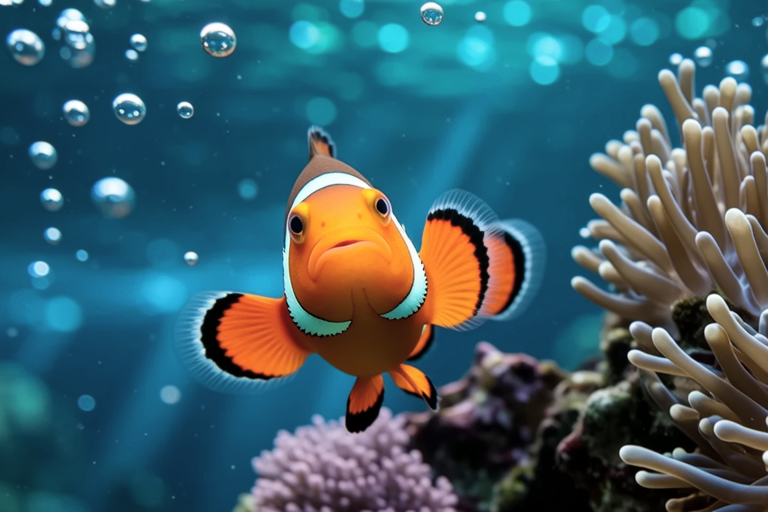
Top 10 Fascinating Facts About Your Favorite Aquarium Clownfish
Welcome to the vibrant world of the clownfish! These captivating creatures have enchanted both amateur and seasoned aquarists alike. Dive into the top 10 fascinating facts about your favorite aquarium clownfish, exploring their biology, behavior, and significance within marine ecosystems.
1. A Unique Biology: Anatomy and Physiology
Clownfish, scientifically known as Amphiprioninae, are small, colorful fish native to tropical waters. They possess a remarkable anatomy that includes specialized cells called chromatophores, which allow them to change color based on mood, temperature, or light conditions. Their streamlined bodies, equipped with fins for efficient swimming, enable them to navigate through coral reefs with ease. Unlike many other fish species, clownfish can survive in both fresh and saltwater environments, making them versatile inhabitants.
2. Behavior: Social Structure and Communication
Clownfish exhibit complex social behaviors within their groups. They live in harems, where one dominant female leads several males. This hierarchical structure ensures that only the most dominant male gets the chance to mate with the female. Communication among clownfish involves a combination of body language, color changes, and even sound production. For instance, they may flash their fins or produce clicking noises to signal aggression or submission. Understanding these behaviors can help aquarists create harmonious tank environments.
3. Symbiotic Relationships: The Anemone Connection
One of the most intriguing aspects of clownfish biology is their symbiotic relationship with sea anemones. This mutualistic association benefits both parties. Sea anemones provide clownfish with protection from predators by using their stinging tentacles, while clownfish reciprocate by attracting prey for the anemone and removing parasites. This relationship showcases the intricate balance of marine ecosystems and highlights the importance of biodiversity.
4. Distinctive Characteristics: What Sets Them Apart?
Several features distinguish clownfish from other fish species. Their vibrant colors, which range from bright orange and white stripes to more muted shades, serve as camouflage in their natural habitats. Additionally, clownfish possess a layer of mucus that protects them from the anemone’s venomous stings. This adaptation exemplifies the evolutionary strategies employed by marine organisms to thrive in challenging environments.
5. Role in Marine Ecosystems: Ecological Importance
Clownfish play a crucial role in maintaining the health of coral reefs. By controlling the population of algae through their feeding habits, they prevent overgrowth that could smother corals. Furthermore, their presence attracts other marine life, contributing to the overall biodiversity of reef ecosystems. This ecological niche underscores the interconnectedness of marine species and the delicate balance maintained within these habitats.
6. Conservation Status: Threats and Preservation Efforts
The global population of clownfish faces numerous threats, including habitat destruction due to climate change, pollution, and overfishing. Consequently, many species of clownfish are listed as vulnerable by the International Union for Conservation of Nature (IUCN). Conservation efforts focus on protecting their natural habitats, promoting sustainable fishing practices, and raising awareness about the importance of preserving marine biodiversity.
7. Popular Myths vs Realities: Separating Fact from Fiction
Several misconceptions surround clownfish, often perpetuated by media portrayals. One common myth is that all clownfish live exclusively within sea anemones. In reality, while this is true in the wild, captive clownfish can thrive without anemones in well-maintained aquariums. Another misconception is that clownfish are easy to care for, requiring minimal attention. However, proper care demands knowledge of water parameters, diet, and tank setup to ensure their well-being.
8. Tips for Aquarium Owners: Creating a Healthy Environment
Maintaining healthy clownfish in home aquariums requires careful consideration of various factors. Start by ensuring optimal water quality, with appropriate levels of pH, temperature, and salinity. Regularly test the water and perform partial water changes to maintain cleanliness. Provide a balanced diet consisting of high-quality flake food, frozen foods, and occasional live feedings. Additionally, offer hiding spots and ample swimming space to reduce stress and promote natural behaviors.
9. Breeding in Captivity: Challenges and Rewards
Breeding clownfish in captivity presents both challenges and rewards. Selecting compatible pairs and providing suitable spawning conditions are essential steps. Once eggs are fertilized, maintaining stable water conditions and preventing predation are critical. Successful breeding not only contributes to the sustainability of the species but also offers aquarists the opportunity to witness the fascinating lifecycle of these charming fish.
10. Educational Value: Learning from Clownfish
Studying clownfish provides valuable insights into marine biology, ecology, and conservation. Their unique adaptations, social structures, and symbiotic relationships offer lessons about the interdependence of marine species. Moreover, observing clownfish in aquarium settings can inspire curiosity and appreciation for the wonders of the ocean, fostering a commitment to environmental stewardship.
In conclusion, clownfish are more than just visually appealing additions to aquariums; they are fascinating subjects of study and vital components of marine ecosystems. By understanding their biology, behavior, and conservation needs, we can contribute to their preservation and continue to enjoy their beauty for generations to come.
