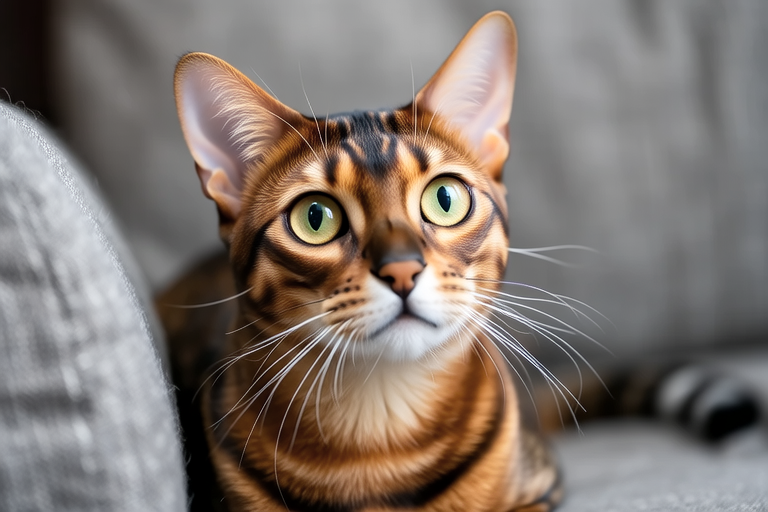
Unleashing the Mystery: The Majestic Bengal Cat
The Bengal cat, with its sleek physique and striking coat, has captivated the hearts of many cat lovers around the world. This article delves into the unique origins and history of this breed, explores its remarkable appearance, discusses its lively personality, and provides essential care tips for prospective owners. By the end, you will understand why the Bengal cat stands out among other domestic breeds.
Origins and History
The Bengal cat’s history is as fascinating as its appearance. Developed in the 1960s by crossing domestic cats with Asian leopard cats, the goal was to create a cat that retained the wild look of its ancestors while being friendly and sociable enough for a home environment. Jean Mill, an American breeder, is credited with pioneering this hybridization. Her efforts resulted in the creation of the first generation (F1) Bengals, which were then bred back to domestic cats over several generations to produce the Bengal cats we know today. This selective breeding process helped refine the breed’s temperament and appearance, making them more suitable companions for human families.
Striking Appearance
Bengal cats are renowned for their stunning coats, which can be either spotted or marbled. Spotted Bengals have rosettes that resemble those found on leopards, while marbled Bengals feature swirling patterns that give them a mesmerizing, almost hypnotic appearance. The most common colors include brown, snow, seal lynx point, and silver. Their coats are short but dense, providing a luxurious feel when petted. One of the most distinctive features of Bengal cats is their glittering coat, which appears to shimmer under light, adding an extra layer of mystique to their already captivating presence.
Energetic and Playful Nature
Bengals are known for their high energy levels and playful personalities. They are curious creatures that love to explore their surroundings, often climbing to high places and investigating every nook and cranny. Their agility and athleticism make them excellent climbers and jumpers, allowing them to reach impressive heights with ease. Bengals also enjoy playing interactive games with their owners, such as fetch or chasing toys. These activities not only keep them physically active but also strengthen the bond between cat and owner.
Social Behavior
Bengals are highly social animals that thrive on interaction with their human family members. They enjoy spending time with people, following them from room to room, and seeking attention through purring, head-butting, or rubbing against legs. While they may be reserved around strangers, Bengals tend to form strong bonds with their primary caregivers. They are intelligent and can learn simple commands or tricks, further enhancing their ability to communicate with their owners. This social nature makes Bengals excellent companions for individuals who appreciate a cat that enjoys both physical and mental stimulation.
Care Tips for Potential Owners
Diet and Feeding
Feeding your Bengal cat a balanced diet is crucial for maintaining their health and vitality. High-quality commercial cat food formulated for indoor or active cats is recommended. Look for foods that contain real meat as the primary ingredient, ensuring they meet your Bengal’s nutritional needs. Bengals have a tendency to be overweight if overfed, so portion control is important. Providing fresh water at all times is equally vital, especially since Bengals are known to be active and require adequate hydration.
Grooming
Despite having short fur, Bengal cats still require regular grooming to maintain their coat’s shine and health. Brushing them once or twice a week helps remove loose hair and distribute natural oils throughout the coat. Bathing is generally unnecessary unless absolutely needed, as frequent bathing can strip the coat of its natural oils. Additionally, keeping their nails trimmed and ears cleaned contributes to overall hygiene and prevents potential health issues.
Exercise and Mental Stimulation
To keep your Bengal cat happy and healthy, provide ample opportunities for exercise and mental stimulation. Interactive toys, climbing structures, and scratching posts encourage physical activity and help satisfy their natural instincts. Engaging in playtime with your Bengal can also strengthen the bond between you and your pet. Consider incorporating puzzle feeders or treat-dispensing toys to challenge their minds and reward them for problem-solving.
Veterinary Care
Scheduling regular veterinary check-ups ensures early detection of any potential health issues. Vaccinations, deworming, and dental care are essential components of preventive healthcare. Some common conditions affecting Bengals include hypertrophic cardiomyopathy (HCM), a heart disease, and progressive retinal atrophy (PRA), a degenerative eye disorder. Being aware of these risks allows you to take proactive steps in managing your Bengal’s health.
Why Bengals Stand Out
Bengal cats stand out among other domestic breeds due to their unique combination of wild beauty and affectionate temperament. Their striking appearance, reminiscent of exotic big cats, sets them apart visually. However, it is their engaging personalities that truly make Bengals exceptional pets. Their intelligence, curiosity, and desire for social interaction create a deep connection between Bengal cats and their owners. Whether you’re drawn to their appearance or charmed by their playful nature, owning a Bengal cat offers a rewarding experience unlike any other.
