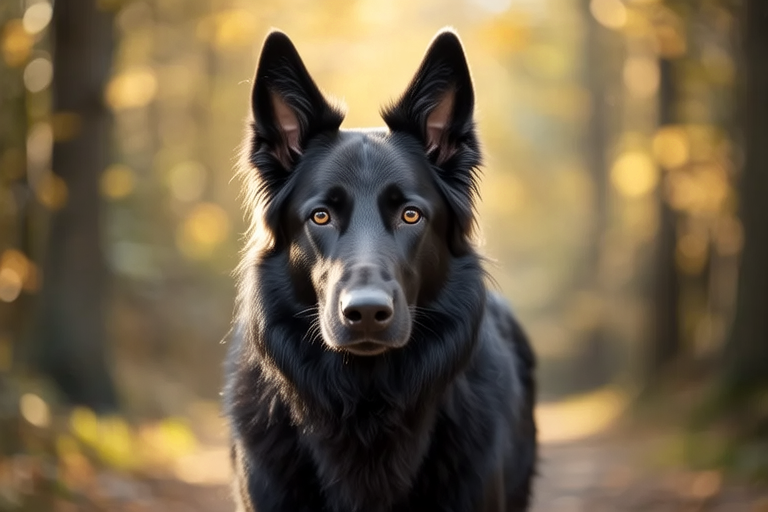
5 Surprising Facts About German Shepherds That Will Make You Love Them Even More
German Shepherds have long been admired for their loyalty, intelligence, and versatility. However, there’s much more to these majestic dogs than meets the eye. From their surprising ancestry to their unique health concerns, German Shepherds are full of fascinating details that deepen our understanding and appreciation of them. This article delves into five surprising facts about German Shepherds, offering new perspectives that will make you love them even more.
1. Exceptional Intelligence and Problem-Solving Skills
German Shepherds are renowned for their high intelligence, ranking among the top breeds in terms of trainability. Their cognitive abilities extend beyond simple obedience commands. They possess an innate problem-solving capacity that allows them to navigate complex situations with ease. For instance, German Shepherds can be trained to open doors, fetch specific items, and even assist in search and rescue operations by interpreting visual cues.
This intelligence is partly due to their strong sense of smell, which they can use to detect everything from drugs to missing persons. Their olfactory prowess is unmatched, capable of distinguishing scents that are hundreds of years old. This remarkable ability makes them invaluable in law enforcement, military operations, and disaster response teams. Moreover, their intelligence enables them to learn and adapt quickly, making them excellent companions for individuals seeking a dog that can keep up with their active lifestyle.
2. Versatility in Various Roles
German Shepherds are not just protectors; they excel in a wide range of roles, from therapy work to herding. Despite their reputation as guard dogs, they were originally bred for herding sheep. Their agility, strength, and natural instinct for guiding livestock make them ideal for this task. Today, they continue to be used in herding trials and competitions, showcasing their original purpose in a modern context.
In addition to herding, German Shepherds have found success in service roles. Many are trained as assistance dogs, helping people with disabilities lead independent lives. They can pull wheelchairs, retrieve dropped objects, and alert their owners to medical emergencies. Their calm demeanor and unwavering dedication make them perfect partners for those who need constant support.
Their versatility also extends to sports and recreational activities. German Shepherds participate in agility courses, flyball tournaments, and dock diving contests. These activities not only provide mental stimulation but also allow them to showcase their athleticism and teamwork skills. Whether it’s working alongside humans or competing in events, German Shepherds prove their worth in countless ways.
3. Unique Health Concerns
Despite their robust appearance, German Shepherds are prone to several health issues. One of the most common is hip dysplasia, a condition where the hip joint doesn’t develop properly, leading to arthritis and pain. Responsible breeding practices and regular veterinary check-ups can help mitigate this risk. Another concern is degenerative myelopathy, a neurological disorder that affects the spinal cord and can result in progressive weakness and paralysis.
To ensure the well-being of their pets, owners should be proactive in addressing these potential health issues. Regular exercise, a balanced diet, and routine vet visits are essential for maintaining a healthy German Shepherd. Additionally, providing mental stimulation through training and play can prevent behavioral problems associated with boredom or anxiety. By staying informed and attentive, owners can give their German Shepherds the best possible quality of life.
4. Surprising Ancestry Facts
The origins of the German Shepherd are both intriguing and somewhat unexpected. Contrary to popular belief, the breed was not created solely for military or police work. Rather, it was developed in the late 19th century by Captain Max von Stephanitz, a German cavalry officer, who aimed to create a versatile working dog suitable for various tasks. Von Stephanitz sought to combine the best traits of different herding breeds, including the wolf-like qualities of the Pomeranian Sheepdog and the agility of the Rottweiler.
Von Stephanitz founded the Society for the German Shepherd Dog in 1899, setting strict standards for the breed’s physical characteristics and temperament. His vision was to produce a dog that could serve multiple purposes, from herding to guarding. The first German Shepherd registered under this society was Horand von Grafrath, a male dog whose descendants form the foundation of today’s breed. Through careful breeding and selective breeding practices, the German Shepherd has evolved into the versatile and intelligent companion we know today.
5. Lesser-Known Behaviors and Training Capabilities
Beyond their well-known protective instincts, German Shepherds exhibit unique behaviors that are often overlooked. One such behavior is their deep-seated desire to please their owners. This trait makes them highly trainable and responsive to positive reinforcement techniques. They thrive in environments where they can engage in meaningful activities and receive praise for their efforts.
Another lesser-known aspect of German Shepherds is their sensitivity to human emotions. Studies have shown that they can detect changes in mood and react accordingly. For example, if their owner is feeling anxious or stressed, the dog may offer comfort by nuzzling or lying close by. This emotional intelligence contributes to their effectiveness as therapy animals, providing solace to those in need.
Furthermore, German Shepherds are adept at reading body language and vocal cues, making them skilled at anticipating their owner’s needs. They can learn to recognize subtle signals, such as a slight shift in posture or a particular tone of voice, and respond appropriately. This ability underscores their intuitive nature and strengthens the bond between dog and owner.
Training German Shepherds requires patience, consistency, and a positive approach. Positive reinforcement methods, such as treats and verbal praise, are particularly effective. By rewarding desired behaviors and ignoring unwanted ones, owners can encourage their dogs to adopt good habits. Additionally, incorporating games and puzzles into training sessions can keep German Shepherds mentally stimulated and engaged.
Understanding these lesser-known behaviors and training capabilities enhances our appreciation of German Shepherds. It highlights their emotional depth and intellectual curiosity, qualities that set them apart from other breeds. By recognizing and nurturing these attributes, owners can foster a deeper connection with their canine companions.
Conclusion
German Shepherds are more than just loyal and intelligent companions; they are complex creatures with a rich history and unique characteristics. From their exceptional problem-solving skills to their versatility in various roles, these dogs continue to surprise and inspire us. By exploring their unique health concerns, ancestry, and lesser-known behaviors, we gain a deeper understanding of what makes German Shepherds so special. As we celebrate their many virtues, let us also commit to responsible ownership and care, ensuring that these magnificent dogs remain cherished members of our families for generations to come.
