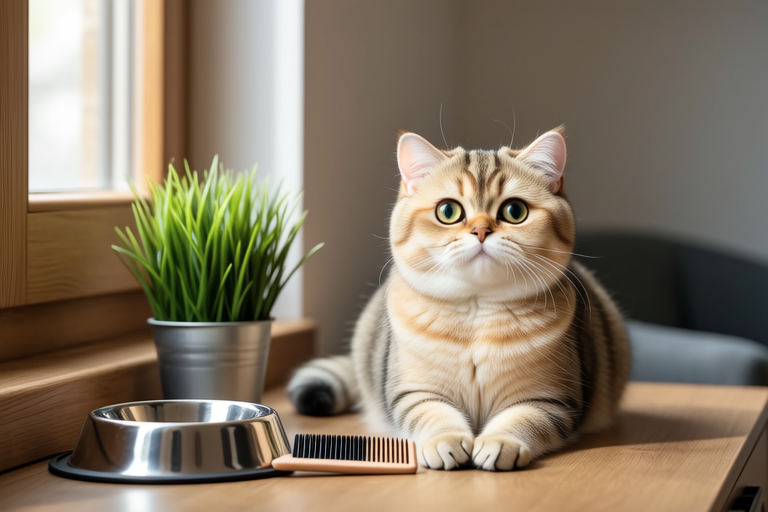
Golden British Shorthair Care Tips: How to Keep Your Feline Friend Happy and Healthy
Welcome to the wonderful world of Golden British Shorthairs! These beautiful cats are known for their golden coats and gentle personalities. As a proud owner of one of these delightful creatures, you want to ensure that your feline friend stays happy and healthy. This guide will provide you with essential care tips, covering everything from diet and grooming to exercise and health maintenance. Whether you’re a new or experienced pet owner, these practical strategies will help you give your Golden British Shorthair the best life possible.
Dietary Needs
A balanced diet is crucial for maintaining your cat’s overall health. Golden British Shorthairs have specific nutritional requirements that need to be met to keep them in top condition. Their diet should include high-quality protein sources such as chicken, fish, or turkey. These proteins are essential for muscle development and repair.
In addition to protein, carbohydrates and fats are also important components of their diet. Carbohydrates provide energy, while fats contribute to coat health and skin elasticity. Always choose high-quality commercial cat food that meets the Association of American Feed Control Officials (AAFCO) standards. Look for products that list meat as the first ingredient and avoid those with excessive fillers or artificial additives.
Feeding habits can also impact your cat’s health. Cats are obligate carnivores, meaning they require a diet rich in animal-based proteins. It’s best to feed them small meals throughout the day rather than one large meal. This mimics their natural feeding behavior and helps prevent overeating and obesity. Fresh water should always be available to keep your cat hydrated.
Grooming Tips
Golden British Shorthairs have short, dense coats that require regular grooming to maintain their lustrous appearance. Despite their short fur, they still shed, especially during seasonal changes. Brushing your cat once or twice a week will help remove loose hair and prevent matting. Use a soft-bristled brush or a rubber curry comb designed specifically for short-haired cats.
Bathing your Golden British Shorthair isn’t necessary unless they get particularly dirty or smelly. Over-bathing can strip their skin of its natural oils, leading to dryness and irritation. If you do need to bathe your cat, use a gentle, cat-specific shampoo and ensure thorough rinsing to remove all soap residue.
Nail trimming is another important aspect of grooming. Regular nail trims prevent overgrowth, which can cause discomfort and make it difficult for your cat to walk or scratch comfortably. Use sharp, rounded clippers made for cats, and always trim only the tip of the nail to avoid cutting into the quick, which contains blood vessels and nerves.
Eye and ear care are also vital. Check your cat’s eyes daily for any signs of discharge or redness, which could indicate an infection. Clean any debris gently with a damp cotton ball or soft cloth. For ear care, inspect the ears weekly for dirt or wax buildup. If you notice an unpleasant odor or excessive wax, consult your veterinarian before attempting to clean them yourself.
Exercise Recommendations
While Golden British Shorthairs are generally calm and sedentary, they still require regular physical activity to stay fit and mentally stimulated. Encourage playtime with interactive toys such as feather wands, laser pointers, or puzzle feeders. These toys engage your cat’s hunting instincts and provide mental stimulation, preventing boredom and destructive behaviors.
Structured play sessions should last about 15-20 minutes twice a day. You can also set up climbing structures or scratching posts to encourage climbing and stretching. Climbing helps improve muscle tone and coordination, while scratching posts satisfy your cat’s natural instinct to scratch and stretch.
Outdoor activities are not recommended for indoor cats like Golden British Shorthairs. However, if you live in a secure, enclosed area, supervised outdoor time can be beneficial. Always ensure your cat wears a reflective collar and ID tag for safety. Indoor cats can enjoy the benefits of outdoor time by watching birds or other animals through a window.
Common Health Issues
Like all breeds, Golden British Shorthairs are prone to certain health conditions. Being aware of these potential issues allows you to take preventive measures and seek timely veterinary care when necessary.
Obesity
One of the most common health problems in cats is obesity. Excessive weight can lead to various health issues, including diabetes, arthritis, and heart disease. To prevent obesity, monitor your cat’s portion sizes and provide plenty of opportunities for physical activity. If you notice your cat gaining weight, consult your veterinarian for guidance on adjusting their diet and increasing exercise.
Dental Disease
Dental disease is another prevalent issue in cats. Tartar buildup, gum inflammation, and tooth decay can cause pain and affect your cat’s overall health. Regular dental care at home, such as brushing their teeth with cat-specific toothpaste, can help prevent these problems. Professional dental cleanings by a veterinarian may also be necessary.
Hypertrophic Cardiomyopathy (HCM)
Hypertrophic cardiomyopathy is a genetic heart condition that affects some Golden British Shorthairs. This condition causes the heart muscle to thicken, potentially leading to heart failure. Early detection is key, so regular veterinary check-ups are crucial. Genetic testing may be available to identify carriers of the gene responsible for HCM.
Other less common but serious health issues include urinary tract infections and respiratory infections. These conditions often require prompt medical attention, so it’s essential to monitor your cat for any unusual symptoms such as frequent urination, difficulty breathing, or lethargy.
Behavioral Insights
Understanding your Golden British Shorthair’s behavior is crucial for building a strong bond and ensuring their well-being. These cats are typically calm, affectionate, and adaptable, making them excellent companions. However, each cat has its unique personality, so it’s important to observe and respond to their individual needs.
Socialization is key for young kittens to develop into well-adjusted adults. Expose them to different people, environments, and experiences in a positive manner. This helps them become comfortable and confident in various situations. Adult cats may also benefit from socialization, especially if they were not properly introduced to new stimuli during their kittenhood.
Cats communicate primarily through body language, vocalizations, and scent marking. Pay attention to your cat’s posture, tail movements, and vocal cues to understand how they’re feeling. A relaxed, upright tail usually indicates contentment, while a puffed-up tail might signal fear or aggression. Similarly, purring is a sign of happiness, while hissing or growling can indicate discomfort or distress.
Training your cat can also strengthen your bond and teach them desirable behaviors. Positive reinforcement techniques, such as treats and praise, work best for shaping your cat’s behavior. Teach them commands like “come” or “sit” using consistent cues and rewards. This not only enhances communication but also provides mental stimulation.
The Importance of Regular Vet Check-Ups
Regular veterinary check-ups are essential for maintaining your Golden British Shorthair’s health. Even if your cat appears healthy, routine exams allow veterinarians to catch potential issues early, preventing them from becoming more serious. Annual wellness visits typically include a physical examination, vaccinations, and parasite prevention.
During these visits, your veterinarian will assess your cat’s weight, body condition, and overall health. They may also recommend diagnostic tests, such as blood work or radiographs, based on your cat’s age, breed, and specific health history. Dental exams are equally important, as they help detect and address any oral health issues.
Vaccinations protect against common infectious diseases, while parasite prevention keeps fleas, ticks, and intestinal worms at bay. Discuss any concerns or questions with your veterinarian during these visits. They can offer personalized advice tailored to your cat’s unique needs, helping you provide the best care possible.
Creating a Nurturing Environment
Your Golden British Shorthair thrives in a safe, comfortable, and stimulating environment. Providing the right setting ensures their physical and emotional well-being. Start by creating a cozy sleeping area with soft bedding and a quiet corner where they can retreat when they need privacy.
Toys and scratching posts are essential for mental and physical stimulation. Rotate toys regularly to keep things interesting and prevent boredom. Interactive toys that mimic prey, such as feather wands or laser pointers, are particularly engaging for cats. Puzzle feeders can also stimulate their minds by requiring problem-solving to access their food.
Ensure your home is free from hazards that could harm your cat. Secure windows with screens to prevent falls, and keep toxic substances out of reach. Provide multiple litter boxes, especially if you have more than one cat, and place them in quiet, easily accessible areas. Regularly clean the litter boxes to maintain hygiene and encourage usage.
Spending quality time with your cat strengthens your bond and promotes their emotional well-being. Spend time playing, grooming, and simply enjoying their company. This interaction helps build trust and creates a loving relationship between you and your feline friend.
By following these care tips, you’ll be well-equipped to provide your Golden British Shorthair with the love, attention, and care they deserve. Remember, a happy and healthy cat is a joy to have around, and your dedication to their well-being will reward you with years of companionship and unconditional love.
