Turkish Angora Cats: From Royal Companions to Rare Breeds
The Turkish Angora, a regal feline with a storied past, has captivated hearts for centuries. Originating from the Ankara region in central Turkey, these cats have evolved from esteemed royal companions to cherished pets and rare breeds. Their elegance, combined with a playful and affectionate nature, makes them a favorite among cat enthusiasts. This article delves into the history, origin, and unique characteristics of Turkish Angora cats, highlighting their physical attributes, temperaments, and care requirements. Additionally, it explores their popularity trends and conservation efforts, providing valuable tips for potential owners.
History and Origin
The Turkish Angora’s origins can be traced back thousands of years, with references in ancient Turkish literature and art. These cats were revered by the Ottoman Empire, often kept as companions for royalty. The Ankara Zoo began breeding and preserving the breed in the 1900s, leading to its recognition by major cat registries in the mid-20th century. Despite this, the breed remained relatively rare outside Turkey until the late 20th century, when it gained popularity in North America and Europe.
Physical Attributes
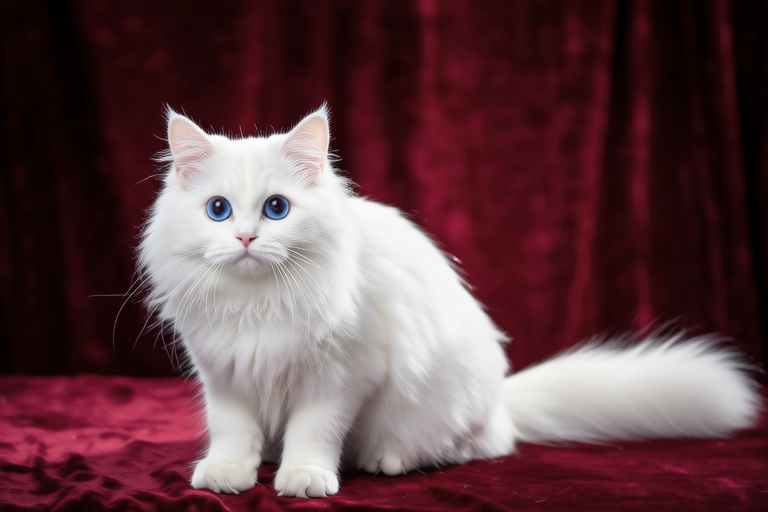
Turkish Angoras are known for their striking appearance. They possess long, silky coats that come in a variety of colors, including white, black, red, and tabby patterns. Their large, expressive eyes can be blue, green, or amber, adding to their allure. A distinguishing feature is their semi-longhaired coat, which requires minimal grooming compared to other longhaired breeds. Their slender bodies, graceful movements, and alert expressions make them stand out in any setting.
Temperament and Personality
Turkish Angoras are intelligent, curious, and active cats. They enjoy playing and exploring, making them excellent companions for interactive owners. These cats are known for their loyalty and affection towards their human families, often forming strong bonds. However, they can be aloof with strangers and prefer familiar environments. Their playful nature and ability to adapt make them ideal pets for households with children or other animals.
Care Requirements
Despite their long coats, Turkish Angoras require minimal grooming. Regular brushing helps prevent matting and keeps their coats shiny. They are generally healthy cats, but regular veterinary check-ups are essential to ensure their well-being. Providing them with a stimulating environment, including toys and climbing structures, satisfies their need for activity and mental engagement. Proper nutrition and hydration are also crucial for maintaining their health.
Famous Turkish Angoras
One notable Turkish Angora was Marmalade, who lived at the White House during President Richard Nixon’s administration. Marmalade’s presence added a touch of elegance and charm to the presidential residence. Another famous Turkish Angora was Sardaukar, a character in Frank Herbert’s “Dune” series, representing strength and agility. These anecdotes highlight the breed’s cultural significance and enduring appeal.
Popularity Trends
While Turkish Angoras remain relatively rare compared to more popular breeds, their popularity has been on the rise. Their unique appearance and charming personalities have attracted many cat lovers. However, due to their limited availability and high demand, finding a Turkish Angora may require patience and careful research. Breeders dedicated to preserving the breed’s integrity and health contribute to its growing popularity.
Conservation Efforts
To conserve the Turkish Angora breed, efforts are being made to maintain genetic diversity and preserve their distinctive traits. Responsible breeding practices, such as selective breeding and health screenings, help ensure the breed’s future. Organizations like The International Cat Association (TICA) and The Cat Fanciers’ Association (CFA) support these initiatives by recognizing and promoting the breed. Conservation efforts also involve educating the public about the importance of responsible pet ownership and the benefits of adopting from reputable breeders.
Tips for Potential Owners
If you’re considering adopting a Turkish Angora, here are some tips to ensure a successful adoption:
- Research Reputable Breeders: Look for breeders who prioritize the health and well-being of their cats. Ask about their breeding practices, health screenings, and available documentation.
- Prepare Your Home: Create a safe and comfortable environment for your new cat. Provide scratching posts, toys, and a designated litter area. Consider setting up a cat tree or other climbing structures to satisfy their need for vertical space.
- Establish a Routine: Cats thrive on routine, so establish a consistent feeding schedule and playtime. Spend quality time with your cat to build trust and strengthen your bond.
- Consult a Veterinarian: Schedule a veterinary appointment within the first few days of bringing your cat home. Ensure they are up-to-date on vaccinations and receive regular check-ups.
- Provide Mental Stimulation: Turkish Angoras are intelligent and active cats, so provide them with plenty of mental stimulation through interactive toys and puzzles.
Adopting a Turkish Angora is a rewarding experience for those willing to invest time and effort into building a strong relationship with their feline companion. By following these tips, you can ensure a happy and healthy life for your Turkish Angora.
Conclusion
The Turkish Angora is a breed with a rich history and unique characteristics that set it apart from other cats. From their origins as royal companions to their current status as rare and cherished pets, these cats continue to captivate and delight. Their elegant appearance, playful nature, and loyal personalities make them an excellent choice for dedicated cat owners. By understanding their needs and providing proper care, you can ensure a fulfilling and enjoyable experience for both you and your Turkish Angora.
