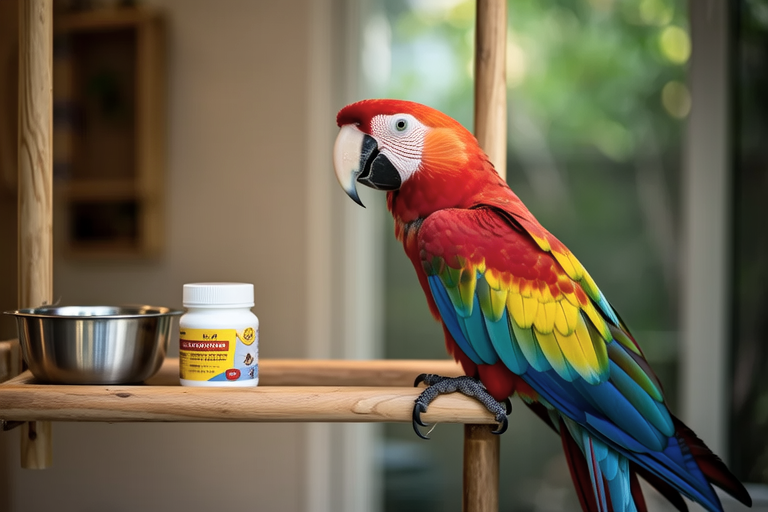
The Ultimate Guide to Feeding and Caring for Your Colorful Companion
Welcome to the world of colorful companions! Whether you have a vibrant parrot or a dazzling fish, these pets bring joy and color into your life. Proper care is essential for ensuring that your pet lives a long, healthy, and happy life. This guide will cover all aspects of caring for your colorful companion, from diet and nutrition to habitat setup and health maintenance.
Understanding Species-Specific Requirements
Each type of colorful pet has unique needs. Parrots, for instance, require a balanced diet rich in fruits, vegetables, seeds, and pellets, while fish need specialized diets based on their species. Understanding the specific requirements of your pet is crucial for providing them with the best possible care. Always consult with a veterinarian or a professional breeder to learn about the particular needs of your pet.
Appropriate Diet and Nutritional Needs
Parrots
Parrots thrive on a varied diet that includes fresh fruits, vegetables, and a high-quality pellet mix. Offer a range of colored fruits and vegetables to provide a spectrum of nutrients. Ensure that the food is fresh and washed thoroughly before feeding. Avoid feeding chocolate, avocado, caffeine, and alcohol, as they can be toxic to birds.
Fish
For fish, the diet should be tailored to their specific species. Some fish are herbivores, some are carnivores, and others are omnivores. Choose high-quality fish flakes, pellets, or frozen foods that match the dietary needs of your fish. Feed your fish twice daily, but avoid overfeeding to prevent water pollution and health issues.
Feeding Schedules
Establishing a consistent feeding schedule helps regulate your pet’s metabolism and ensures they receive the proper amount of nutrients. Parrots should be fed at least twice a day, while fish benefit from two small meals daily. Adjust the quantity based on your pet’s activity level and size. Consistency in feeding times also helps build a routine, which can strengthen the bond between you and your pet.
Grooming Tips
Parrots
Regular grooming is vital for maintaining your parrot’s feathers and skin health. Provide a variety of perches with different textures to help keep their feet strong and nails trimmed. Occasional baths can also help maintain feather health. Use a gentle bird-safe shampoo and lukewarm water, and always dry your parrot thoroughly afterward.
Fish
Maintaining clean water is the most important aspect of fish grooming. Regular water changes and filter maintenance are necessary to keep the environment clean and free of harmful bacteria. Use a water testing kit to monitor the quality of the water regularly. If you notice any signs of disease or discoloration, consult a veterinarian immediately.
Habitat Setup
Parrots
Create a stimulating and safe environment for your parrot by providing plenty of space for flying and climbing. Equip the cage with various toys and perches to encourage mental and physical stimulation. Ensure that the cage is spacious enough for your bird to stretch its wings fully. Place the cage in a quiet area away from drafts and direct sunlight.
Fish
Setting up the right aquarium is crucial for your fish’s well-being. Start with a tank that is large enough to accommodate your fish comfortably. A general rule of thumb is one gallon of water per inch of fish. Equip the tank with a filtration system, heater, and lighting. Decorate the tank with plants and rocks to create hiding spots and enhance the natural environment.
Health Maintenance
Parrots
Regular veterinary check-ups are essential for monitoring your parrot’s health. Signs of illness include changes in appetite, feather plucking, or unusual vocalizations. Keep an eye out for these symptoms and contact a veterinarian if you notice anything out of the ordinary. Additionally, quarantine new birds for at least a month to prevent the spread of diseases.
Fish
Monitor your fish’s behavior and appearance for signs of illness. Look for lethargy, loss of appetite, or changes in color. Perform regular water tests and maintain a clean environment. Quarantine any new fish for at least four weeks before introducing them to the main tank to prevent the introduction of diseases.
Exercise Routines
Parrots
Parrots are highly intelligent and active creatures that require regular exercise to stay healthy. Allow your parrot supervised time outside of the cage each day to fly and explore. Encourage playtime with interactive toys and puzzles to stimulate their minds. Providing a variety of activities will help keep your parrot mentally and physically engaged.
Fish
While fish do not require physical exercise in the same way as birds, maintaining a healthy environment encourages natural swimming patterns. Ensure that the tank is spacious enough for your fish to swim freely. Introduce floating objects or decorations to create obstacles that encourage swimming. Regularly change the water and maintain a stable temperature to promote optimal health.
Common Behavioral Issues
Parrots
Parrots can exhibit various behavioral issues, such as biting, screaming, and feather plucking. These behaviors often stem from boredom, stress, or lack of attention. To address these issues, provide your parrot with plenty of mental and physical stimulation. Spend time interacting with your bird daily and offer a variety of toys and activities. Consult a behaviorist if the problem persists.
Fish
Fish may display signs of stress or aggression due to overcrowding, poor water quality, or insufficient hiding spots. Ensure that the tank is appropriately sized and maintained. Provide ample hiding spots and decorations to reduce stress. If you notice aggressive behavior, consider rearranging the tank or adding more hiding spots to reduce tension among the fish.
Building a Strong Bond
The relationship between you and your colorful companion is crucial for their happiness and well-being. Spend time interacting with your pet daily, offering affection and attention. Engage in activities that both you and your pet enjoy, whether it’s playing with toys or watching fish swim. By fostering a strong bond, you’ll create a supportive and loving environment for your pet.
In conclusion, taking care of a colorful companion requires dedication and knowledge. By following the advice provided in this guide, you can ensure that your pet receives the best possible care. Remember to always prioritize the specific needs of your pet and maintain open communication with veterinarians and breeders. With proper care, you’ll enjoy many years of companionship with your vibrant friend.
