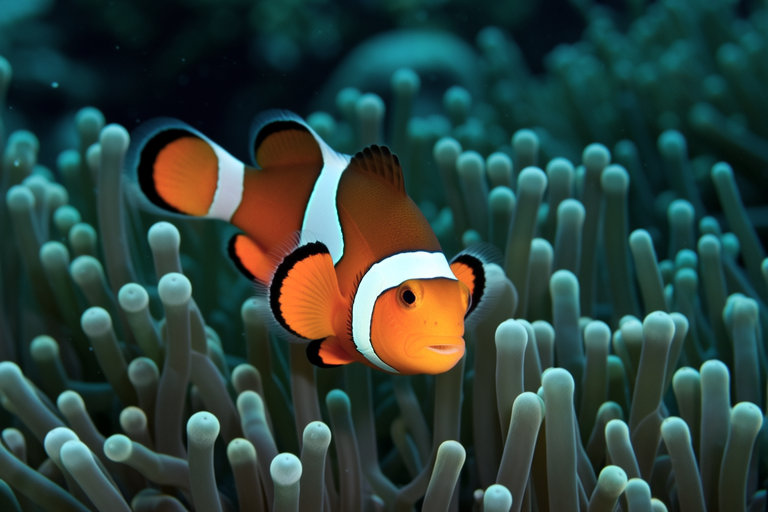
From Nemo to Reality: The True Story Behind Keeping Clownfish as Pets
The vibrant orange and white stripes of the clownfish have captured the hearts of millions since their introduction in the animated film “Finding Nemo.” These charismatic creatures, known for their playful antics and striking appearance, have become a popular choice among aquarium enthusiasts. However, the journey from the big screen to a home aquarium is not as simple as it may seem. This article delves into the true story behind keeping clownfish as pets, exploring their natural habitat, behavior, and the challenges of replicating these conditions in captivity.
The Popularity of Clownfish
The release of “Finding Nemo” in 2003 sparked a global fascination with clownfish. The movie’s endearing portrayal of Marlin, a clownfish father on a quest to find his lost son, resonated with audiences worldwide. As a result, clownfish became one of the most sought-after species for home aquariums. Their striking appearance, combined with their reputation for being relatively hardy and adaptable, made them an ideal choice for both beginners and experienced aquarists.
Natural Habitat and Behavior
In the wild, clownfish inhabit the warm waters of the Pacific and Indian Oceans, particularly around coral reefs. They are most commonly found in the Indo-Pacific region, where they form a symbiotic relationship with certain species of sea anemones. This relationship is crucial to their survival, as the anemone provides protection from predators, while the clownfish, in turn, offer nutrients through their waste and help to keep the anemone clean.
Clownfish are social animals that typically live in groups within the same anemone. They are highly territorial and will defend their home against intruders. In the wild, clownfish are omnivorous, feeding on algae, plankton, and small crustaceans. Their diet is varied, and they play an important role in maintaining the ecological balance of their marine environment.
Requirements for Keeping Clownfish as Pets
While clownfish are often marketed as beginner-friendly pets, successfully keeping them in captivity requires careful planning and attention to detail. The following are essential factors to consider when setting up an aquarium for clownfish:
Tank Size
Clownfish require ample space to thrive. A minimum tank size of 20 gallons is recommended for a single pair of clownfish. Larger tanks are preferable if you plan to house multiple pairs or other compatible species. Adequate swimming space is crucial for the physical and mental well-being of your fish.
Water Conditions
Maintaining optimal water conditions is vital for the health of your clownfish. Clownfish prefer slightly acidic water with a pH level between 7.8 and 8.4. The temperature should be kept between 76°F and 82°F (24°C and 28°C), simulating their natural tropical habitat. Regular testing and adjustment of water parameters are necessary to ensure a stable environment.
Suitable Tank Mates
Choosing the right tank mates for your clownfish is critical. Clownfish are generally peaceful and can coexist with other non-aggressive species. However, care must be taken to avoid introducing larger or more aggressive fish that might bully or prey upon them. Compatible tank mates include other small, peaceful fish such as damsels, gobies, and blennies.
Common Misconceptions About Caring for Clownfish
Despite their popularity, there are several misconceptions about keeping clownfish that can lead to improper care and stress for the fish. Here are some of the most common myths debunked:
Myth: Clownfish Don’t Need Sea Anemones
Many believe that clownfish can survive without sea anemones, but this is only partially true. While clownfish can thrive in an aquarium without anemones, the presence of these cnidarians enhances their well-being. If you choose to introduce an anemone, ensure it is a species that is compatible with clownfish, such as the bubble tip anemone (Entacmaea quadricolor).
Myth: Clownfish Are Easy to Feed
Clownfish are omnivores, but their diet should be balanced and varied. Simply providing flakes or pellets is insufficient. Offer a mix of high-quality flake food, frozen foods like brine shrimp, and occasional fresh vegetables. Feeding them a diverse diet ensures they receive all the necessary nutrients for optimal health.
Myth: Clownfish Can Thrive in Any Aquarium
While clownfish are relatively hardy, they still require specific environmental conditions to flourish. Neglecting proper water quality, temperature, and diet can lead to stress and disease. It is essential to invest in reliable filtration systems, heaters, and water test kits to maintain a healthy aquarium.
Tips for Ensuring Health and Happiness
To ensure the health and happiness of your clownfish, follow these practical tips:
- Gradual Acclimation: When introducing new clownfish to your tank, allow them to acclimate slowly. Float the bag containing the fish in the aquarium for 15-20 minutes to equalize temperature, then gradually add small amounts of tank water to the bag over the next hour.
- Regular Maintenance: Perform weekly water changes and monitor water parameters closely. Clean the tank regularly to prevent the buildup of harmful substances.
- Stimulating Environment: Provide hiding spots and structures, such as live rock and PVC pipes, to mimic their natural reef environment. This helps reduce stress and encourages natural behaviors.
Ethical Considerations of Owning Exotic Fish Species
Owning exotic fish species like clownfish raises important ethical questions. The demand for these fish has led to overharvesting in the wild, threatening their populations and disrupting ecosystems. Many clownfish available in the aquarium trade are now bred in captivity, reducing pressure on wild populations. However, it is essential to purchase from reputable breeders who adhere to sustainable practices.
As responsible pet owners, we must consider the impact of our choices on the environment. Supporting sustainable breeding programs and choosing captive-bred specimens over wild-caught ones can help preserve marine biodiversity. Additionally, educating ourselves and others about the importance of conservation and responsible pet ownership plays a crucial role in protecting our planet’s delicate ecosystems.
Conclusion
From Nemo to reality, the journey of keeping clownfish as pets involves more than just providing a colorful addition to an aquarium. Understanding their natural habitat, behavior, and the specific requirements for their care is essential for ensuring their health and happiness. By addressing common misconceptions and following best practices, we can create a thriving environment for these fascinating creatures. Moreover, considering the ethical implications of owning exotic fish species encourages us to make informed decisions that respect both the animals and the environment.
