Unraveling the Mystique of the Devon Rex: The Ultimate Guide
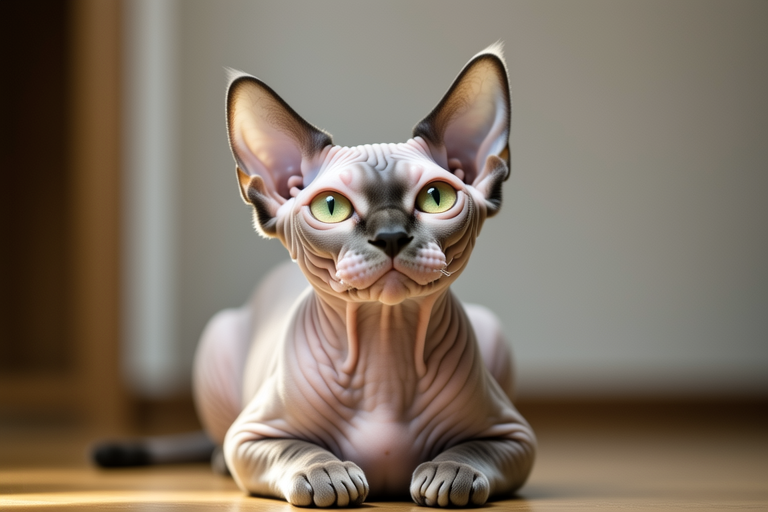
The Devon Rex is a breed of cat known for its unique appearance and charming personality. With a distinctive curly coat and large, bat-like ears, this feline stands out from the crowd. Their playful and affectionate nature makes them beloved companions for families and individuals alike. This guide will delve into the history, physical attributes, care requirements, and behavior patterns of the Devon Rex, offering valuable insights for both prospective and current owners.
Origins of the Devon Rex
The Devon Rex originated in England during the mid-20th century. The breed’s story begins in 1960 when a feral tomcat named Kirlee appeared in the garden of a Devonshire farmer. Kirlee was noticed for his unusual curly coat and quickly became the center of attention. When Kirlee mated with a local barn cat, their offspring inherited the same distinctive fur. Through selective breeding, the Devon Rex breed was established. The first official litter was born in 1967, and by the early 1970s, the breed had gained recognition in Britain and North America.
Physical Characteristics
Devon Rexes are medium-sized cats with a slender build and long legs that give them a graceful appearance. They are easily recognizable by their large, wide-set ears that seem disproportionately large for their heads. Their most striking feature is their short, curly coat, which comes in a variety of colors and patterns. Unlike some other curly-coated breeds, the Devon Rex has a soft, velvety texture that feels almost like suede. This unique coat is due to a recessive gene mutation, making each Devon Rex truly one-of-a-kind.
Distinguishing Features from Other Breeds
What sets the Devon Rex apart from other cat breeds is not just their appearance but also their temperament. While many cats are aloof or independent, Devon Rexes are known for their outgoing and social personalities. They are often described as “dog-like” in their behavior, following their owners around the house and even learning to play fetch. Their intelligence and curiosity make them excellent companions for those who enjoy interactive play and mental stimulation.
Grooming Needs
Despite their distinctive coats, Devon Rexes require minimal grooming. Their short, fine hair means they shed less than many other breeds, and regular brushing with a soft brush can help maintain their coat’s health and appearance. Bathing is generally unnecessary unless the cat gets particularly dirty, but it is important to use a gentle, hypoallergenic shampoo designed for cats. Owners should also pay attention to their ears, cleaning them regularly to prevent wax buildup and infections.
Health Considerations
While Devon Rexes are generally healthy, they are prone to certain genetic conditions. Hypertrophic cardiomyopathy (HCM) is a heart disease that can affect this breed. Regular veterinary check-ups and early detection are crucial for managing this condition. Additionally, Devon Rexes may be susceptible to patellar luxation, a condition where the kneecap dislocates. Genetic testing and responsible breeding practices can help reduce the incidence of these issues. Regular exercise and a balanced diet are essential for maintaining overall health.
Behavioral Traits
Devon Rexes are highly active and playful cats. They enjoy climbing, jumping, and exploring their surroundings, making them well-suited for homes with ample space for them to roam. Their intelligence and curiosity mean they thrive on mental stimulation, so providing toys and puzzles can keep them engaged. These cats are also known for their affectionate nature; they often seek out human interaction and may follow their owners around the house, purring contentedly. Their vocalizations are typically soft and melodic, adding to their charm.
Compatibility with Families
Devon Rexes are excellent companions for families with children and other pets. Their playful and social nature means they can adapt well to households with young children, as long as the children are taught to handle the cat gently. They are also generally good with other animals, including dogs, and can coexist peacefully in multi-pet homes. However, it is always advisable to introduce new pets gradually and under supervision to ensure a smooth transition.
Creating an Ideal Environment
To create an ideal environment for a Devon Rex, consider their playful and affectionate nature. Providing plenty of vertical spaces, such as cat trees and shelves, allows them to explore and climb. Interactive toys and puzzle feeders can satisfy their need for mental stimulation. A cozy bed or blanket in a quiet corner offers a retreat for when they need some rest. Devon Rexes appreciate the company of their owners and will often follow them around the house, so it’s beneficial to have a home where they can comfortably move about and interact.
In conclusion, the Devon Rex is a captivating breed with a unique appearance and delightful personality. From their origins in Devon, England, to their distinctive curly coats and social behaviors, these cats offer a world of wonder and companionship. By understanding their grooming needs, health considerations, and behavioral traits, owners can provide the best possible care for their beloved Devon Rex. Whether you’re a seasoned cat owner or considering your first pet, the Devon Rex promises to be a loving and engaging addition to your family.
