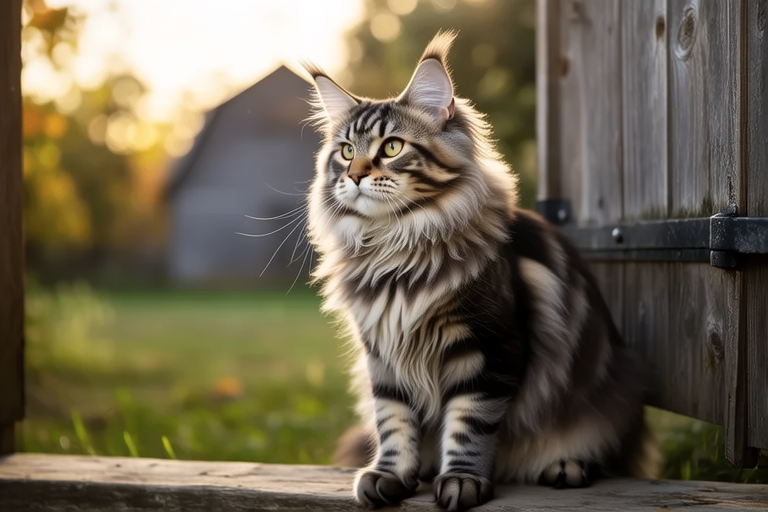
From Farm to Fame: The Incredible Journey of the Maine Coon
The Maine Coon, a breed known for its striking appearance and friendly nature, has a fascinating history that spans centuries. Originating from the rugged farmlands of New England, these cats have evolved from simple farm companions into one of the most beloved and recognized breeds in the world. This article delves into the origins, myths, and evolution of the Maine Coon, exploring its journey from farm to fame.
Origins on the Farms of New England
The Maine Coon’s story begins in the northeastern United States, particularly in the state of Maine. These cats were originally bred to be working animals, adept at hunting rodents and other pests that plagued the farms. Their large size, typically ranging from 9 to 18 pounds, made them well-suited for the task. They possessed strong, muscular bodies and sharp claws, perfect for navigating the challenging terrain and catching prey.
The Maine Coon’s thick, water-resistant coat was another adaptation to their harsh environment. This coat provided insulation against the cold winters and protected them during swims in rivers and lakes, a common activity for these semi-aquatic felines. Their large tufted ears and paws also contributed to their adaptability, allowing them to hear and feel vibrations in the snow, aiding in their hunting prowess.
Historical Anecdotes and Myths
While the exact origins of the Maine Coon remain shrouded in mystery, several legends have emerged over time. One popular myth suggests that the Maine Coon is the result of breeding between domestic cats and raccoons, a tale that likely stems from the breed’s distinctively bushy tail and striped coat. Another legend attributes the breed’s development to Marie Antoinette, who, during the French Revolution, sent her cats aboard a ship bound for America, where they eventually interbred with local cats.
Historians generally agree that the Maine Coon’s ancestors were probably brought to North America by European settlers. These cats may have been seafaring companions, helping to control rodent populations on ships. Over time, they adapted to the harsh New England climate, developing into the robust and resilient breed we know today.
Transition to Show Cats
The transformation of the Maine Coon from farm cats to show cats began in the late 19th century. In 1895, the first organized cat show took place in Madison Square Garden, New York City. Among the participants were several Maine Coons, which quickly gained attention for their impressive size and unique appearance. This event marked the beginning of the breed’s rise in popularity.
In the early 20th century, the Maine Coon faced a decline in numbers due to the introduction of more exotic breeds and changing attitudes towards cats as pets rather than working animals. However, dedicated breeders worked tirelessly to preserve and promote the breed. By the 1960s, the Maine Coon had regained its position as a favorite among cat enthusiasts. In 1976, the breed was officially recognized by the Cat Fanciers’ Association (CFA), further cementing its status in the world of competitive cat shows.
Distinctive Physical Traits
The Maine Coon is easily recognizable by its large, rectangular body, tufted ears, and long, flowing tail. Their coat, which can be found in a variety of colors and patterns, is typically dense and shaggy, providing excellent protection against the elements. The breed’s eyes are large and expressive, often set in a slightly oblique angle, giving them a wise and gentle appearance.
One of the most distinctive features of the Maine Coon is its vocalization. While many cats meow, the Maine Coon is known for its chirping and trilling sounds, which are often used to communicate with humans. This unique form of communication adds to the breed’s charm and appeal.
Personality and Care Requirements
Beyond their striking appearance, Maine Coons are renowned for their friendly and sociable personalities. They are known to be highly intelligent and adaptable, making them excellent companions for families and individuals alike. Maine Coons are generally calm and patient, but they also enjoy playtime and interaction with their owners. Their intelligence makes them easy to train, and many owners report success in teaching their cats tricks and commands.
Caring for a Maine Coon requires regular grooming to maintain their thick coats. Weekly brushing helps prevent matting and keeps their fur healthy and shiny. Additionally, owners should provide a balanced diet and ensure access to fresh water. Regular veterinary check-ups are important to monitor their health and address any potential issues early.
Enduring Popularity
Today, the Maine Coon remains one of the most popular and beloved cat breeds worldwide. Its enduring appeal can be attributed to its combination of striking appearance, gentle temperament, and adaptability. The breed continues to thrive in both homes and show rings, captivating the hearts of cat enthusiasts everywhere.
As the world of cat breeding and ownership evolves, the Maine Coon stands as a testament to the enduring bond between humans and their feline companions. From its humble beginnings on the farms of New England to its current status as a show favorite, the Maine Coon’s journey is a testament to the resilience and adaptability of this remarkable breed.
