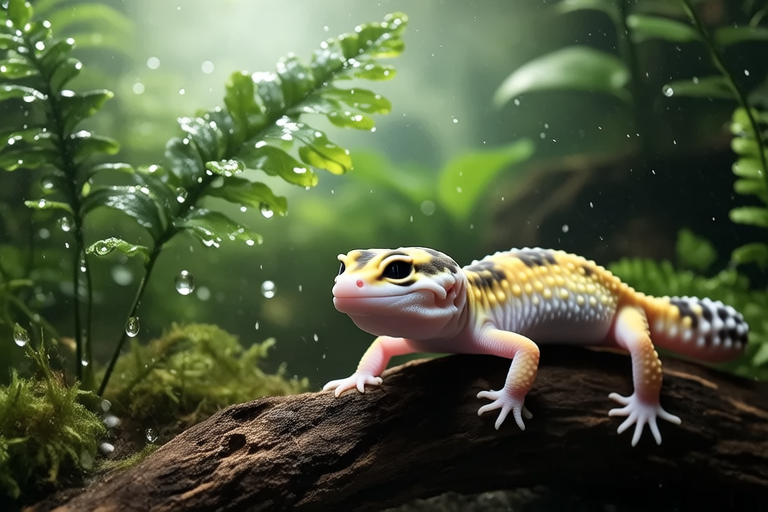
How to Create the Ultimate Habitat for Your Chameleon
Welcome to the world of chameleons! These fascinating reptiles are known for their unique ability to change color and their distinctive appearance. Creating the perfect habitat for your chameleon is crucial for its health and happiness. This comprehensive guide will walk you through every step of setting up an ideal environment, from choosing the right enclosure to providing the best diet.
Choosing the Right Enclosure Size
The first step in creating the ultimate habitat for your chameleon is selecting the appropriate enclosure. Chameleons need ample space to climb, bask, and move around. For adult chameleons, a minimum enclosure size of 36 inches wide by 48 inches tall by 24 inches deep is recommended. Larger enclosures are always better, especially if you plan to keep multiple chameleons or want to provide more enrichment.
Suitable Lighting Requirements
UVB Lighting
UVB light is essential for chameleons as it helps them synthesize vitamin D3, which is crucial for calcium absorption. Without adequate UVB exposure, chameleons can develop metabolic bone disease. Use a high-quality UVB bulb that covers at least 50% of the enclosure’s surface area. Replace the bulb every six months to ensure it remains effective.
Heat Lamps
Chameleons require a thermal gradient within their enclosure to regulate their body temperature. A basking spot with temperatures between 90°F and 100°F should be provided using a heat lamp. The rest of the enclosure should have cooler areas, ideally around 75°F to 80°F. Use a thermometer to monitor these temperatures and ensure they remain consistent.
Ideal Temperature and Humidity Levels
Maintaining the correct temperature and humidity levels is vital for your chameleon’s health. Daytime temperatures should range from 75°F to 90°F, while nighttime temperatures can drop slightly to 65°F to 75°F. Humidity levels should be kept between 40% and 70%, with daily misting to help maintain moisture.
Substrate Options
When it comes to substrate, avoid using materials like sand or gravel, which can cause impaction if ingested. Instead, opt for a non-toxic, reptile-safe substrate such as eco-earth, cypress mulch, or paper towels. Paper towels are particularly useful for hatchlings and sick chameleons, as they allow for easy observation and cleaning.
Necessary Accessories: Branches and Plants
Chameleons are arboreal creatures, meaning they spend most of their time in trees. Provide plenty of sturdy branches and live or artificial plants to mimic their natural environment. Ensure that the branches are securely fastened and offer various heights to encourage climbing and exercise.
Dietary Considerations
A balanced diet is key to keeping your chameleon healthy. Offer a variety of insects, including crickets, dubia roaches, and silkworms. Dust these insects with a calcium supplement and a multivitamin powder before feeding. Feed your chameleon daily, but monitor its appetite to prevent overfeeding.
Cleaning and Maintenance Tips
Regular cleaning is essential to prevent the buildup of bacteria and parasites. Spot clean the enclosure daily, removing any uneaten food or waste. Perform a thorough cleaning once a week, washing all surfaces and replacing the substrate. Disinfect the enclosure using a reptile-safe cleaner and rinse thoroughly before returning your chameleon.
Common Mistakes to Avoid
- Overcrowding: Avoid keeping multiple chameleons in the same enclosure, as this can lead to stress and aggression.
- Inadequate Ventilation: Ensure proper airflow by using screen tops or mesh sides instead of solid glass or plastic.
- Poor Hydration: Always provide fresh water and mist the enclosure regularly to maintain humidity levels.
- Improper Lighting: Use only high-quality UVB and heat bulbs designed for reptiles, and replace them regularly.
- Lack of Environmental Enrichment: Provide plenty of branches and plants to encourage natural behaviors and exercise.
Conclusion
Creating the ultimate habitat for your chameleon requires careful consideration of many factors, from enclosure size to lighting and dietary needs. By following these guidelines, you can provide your chameleon with an environment that closely resembles its natural habitat, promoting optimal health and well-being. Remember, a happy chameleon is a healthy chameleon!
