Pet Owner’s Guide to Heterometrus Spinifer: Caring for One of Nature’s Most Intriguing Creatures
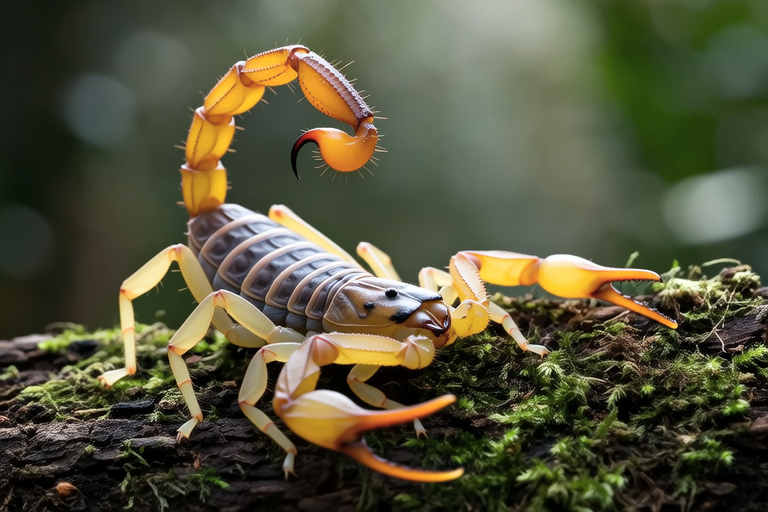
Heterometrus spinifer, commonly known as the Indian ornamental scorpion, is one of nature’s most intriguing creatures. This species belongs to the family Scorpionidae and is native to tropical regions of India and Sri Lanka. The Indian ornamental scorpion is celebrated for its striking appearance, with a vibrant red coloration that contrasts beautifully against its black legs. These scorpions are medium-sized, typically reaching lengths of around 8 to 10 centimeters. Their natural habitat includes humid, tropical forests, where they thrive in the wild.
Before delving into the specifics of caring for Heterometrus spinifer, it is crucial to understand the legalities and considerations involved in owning one as a pet. In many countries, exotic pets like scorpions may be subject to strict regulations, including permits and quarantine periods. It is essential for potential owners to research and comply with local laws and regulations regarding the importation, possession, and breeding of these animals. Additionally, consider the responsibility and commitment required to provide a suitable environment and care for their well-being.
Setting Up the Perfect Habitat
Creating an appropriate habitat is paramount for the health and happiness of your Heterometrus spinifer. The enclosure should mimic their natural environment as closely as possible. A glass terrarium with a secure lid is ideal, ensuring the scorpion cannot escape while still allowing for proper ventilation. For a single adult, a minimum enclosure size of 15x15x30 cm (6x6x12 inches) is recommended; however, larger enclosures are preferable for multiple individuals.
The substrate should be at least 5-7 cm deep, providing ample space for burrowing. Suitable substrates include coconut fiber, peat moss, or a mix of sand and soil. These materials help maintain the necessary humidity levels, which are crucial for the scorpion’s well-being. The enclosure should be kept at a consistent temperature of 25-30°C (77-86°F) during the day, with a slight drop to 20-25°C (68-77°F) at night. Humidity levels should range between 70-90%, achieved through regular misting and the provision of a water dish.
Proper lighting is also important, although Heterometrus spinifer does not require direct sunlight. Use a low-wattage heat lamp or under-tank heater to maintain the desired temperature gradient within the enclosure. A hide box or cork bark can serve as a retreat, offering security and reducing stress. Ensure the enclosure has adequate ventilation to prevent mold growth and maintain air quality.
Dietary Needs and Feeding Schedules
Feeding Heterometrus spinifer is relatively straightforward, though it requires careful attention to ensure their nutritional needs are met. In the wild, these scorpions are carnivorous, feeding primarily on insects such as crickets, grasshoppers, and small roaches. As pets, they can be fed a similar diet, with appropriately sized prey items offered every 7-10 days. Juveniles may need more frequent feedings, while adults can be fed less often.
It is important to gut-load the feeder insects with a nutritious diet consisting of fruits, vegetables, and commercial insect food to maximize the nutritional value provided to your scorpion. Dust the feeder insects with a calcium supplement and occasionally with a multivitamin powder to ensure proper bone and muscle development. Avoid overfeeding, as obesity can lead to health problems. Always remove uneaten prey after a few hours to prevent potential harm to your scorpion.
Handling Tips
Handling Heterometrus spinifer should be done with caution, as they possess venomous stingers. While their venom is generally considered mild and not life-threatening to humans, it can cause localized pain, swelling, and discomfort. Always handle the scorpion using long forceps or a soft brush to minimize stress and reduce the risk of injury.
When handling is necessary, ensure your hands are clean and free from any strong odors or chemicals that could provoke defensive behavior. Approach the scorpion slowly and gently, allowing it to become accustomed to your presence before attempting to move it. Never grasp the scorpion by its tail or pinchers, as this can cause injury or distress. Instead, use the tools mentioned to guide the scorpion into a container or onto a surface for examination or transport.
Health Monitoring and Veterinary Care
Regular health monitoring is essential to catch any issues early and maintain the overall well-being of your scorpion. Observe your pet daily for signs of illness, such as lethargy, loss of appetite, difficulty moving, or changes in coloration. A healthy Heterometrus spinifer will be active, alert, and have clear eyes and a full abdomen.
Common health issues in scorpions include mite infestations, respiratory infections, and digestive problems. Mites can be treated with a specialized anti-mite spray, but prevention is key. Regular cleaning of the enclosure and quarantine of new additions can help avoid infestations. Respiratory infections may manifest as labored breathing or discharge from the mouth. In such cases, consult a veterinarian specializing in exotic pets for diagnosis and treatment. Digestive issues can result from improper feeding or environmental conditions. Ensuring a balanced diet and optimal habitat setup can prevent these problems.
When seeking veterinary care, it is crucial to find a professional experienced in treating scorpions. Many general practitioners may lack the necessary knowledge and equipment, so building a relationship with a specialist is highly recommended. Be prepared to provide detailed information about your pet’s history, diet, and any symptoms you have observed. Early intervention can make a significant difference in the outcome of any health issue.
Bonding and Community Support
While Heterometrus spinifer may not form the same kind of emotional bond with their keeper as a dog or cat might, there is still a unique connection that can develop. Observing their behaviors, understanding their needs, and providing a nurturing environment fosters a sense of accomplishment and satisfaction for the owner. Over time, you may notice individual quirks and preferences that add to the joy of ownership.
To further enhance your experience, consider joining online forums and social media groups dedicated to exotic pet owners. These communities offer valuable advice, share experiences, and provide a platform for asking questions and seeking support. Additionally, attending local reptile expos or joining clubs can connect you with fellow enthusiasts and expand your knowledge base.
In conclusion, Heterometrus spinifer is a fascinating and rewarding pet for those willing to commit to their care. By following the guidelines outlined in this guide, you can ensure a healthy and thriving environment for your scorpion. Remember to prioritize their well-being, educate yourself continuously, and enjoy the unique journey of keeping one of nature’s most intriguing creatures.
