Life with a Ragdoll: Tips for First-Time Owners
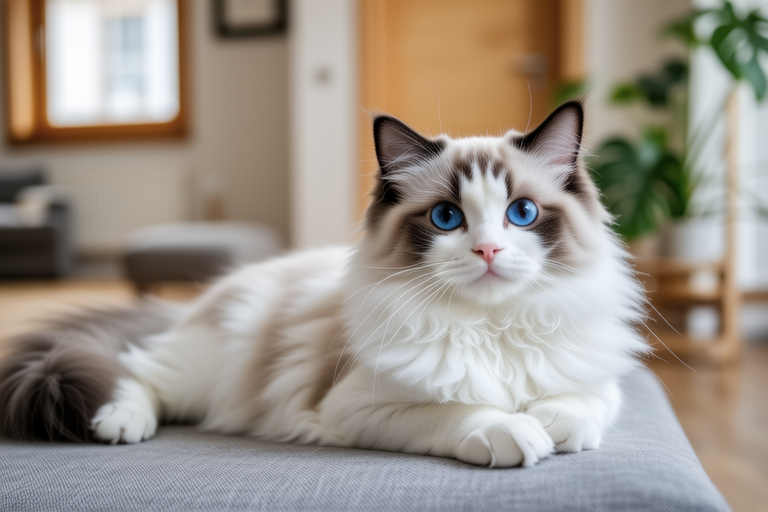
Welcome to the world of Ragdolls! Known for their striking blue eyes and plush coats, these cats have captured the hearts of many cat lovers. The name ‘Ragdoll’ is derived from their tendency to go limp when picked up, much like a rag doll. Originating from California in the 1960s, they are gentle, affectionate, and incredibly easy-going. If you’re a first-time owner or considering adopting a Ragdoll, this guide will provide you with all the essential information to ensure your new furry friend lives a happy, healthy life.
Understanding Your Ragdoll’s Unique Characteristics
Ragdolls are one of the largest domesticated cat breeds, typically weighing between 10 to 20 pounds. They come in various colors and patterns, but their most distinguishing feature is their semi-long coat that requires regular grooming. Their calm and docile nature makes them perfect for families with children or other pets. Ragdolls are also known for their intelligence and ability to learn tricks, making them enjoyable companions.
Dietary Needs
Feeding your Ragdoll a balanced diet is crucial for their overall health. Choose high-quality cat food that meets their nutritional requirements. Consult your veterinarian to determine the appropriate amount and type of food based on your cat’s age, weight, and activity level. Fresh water should always be available. Avoid feeding your Ragdoll table scraps, as they can lead to obesity and other health issues.
Grooming
Ragdolls have a semi-long coat that requires weekly brushing to prevent matting and hairballs. Use a slicker brush to remove loose hair and distribute natural oils throughout their coat. During shedding seasons, increase the frequency of grooming sessions. Regular nail trimming, ear cleaning, and dental hygiene are also important aspects of maintaining your Ragdoll’s appearance and health. Consider using a soft cloth or damp cotton ball to gently clean their ears and a toothbrush designed for cats to maintain good oral health.
Exercise Needs
Despite their laid-back demeanor, Ragdolls still need physical and mental stimulation to stay healthy and happy. Provide toys that encourage play, such as feather wands, laser pointers, and puzzle feeders. Interactive playtime is not only beneficial for their physical health but also strengthens the bond between you and your cat. Ensure your Ragdoll has access to scratching posts and climbing structures to satisfy their instinctual behaviors.
Health Considerations
Ragdolls are generally healthy, but like all cats, they are susceptible to certain genetic conditions. Regular veterinary check-ups, vaccinations, and preventive care are vital for early detection and management of potential health issues. Common conditions in Ragdolls include hypertrophic cardiomyopathy (HCM), a heart condition, and polycystic kidney disease (PKD). Maintain a consistent routine for vet visits and follow any specific recommendations given by your veterinarian.
Creating a Safe and Stimulating Environment
A safe and stimulating environment is essential for your Ragdoll’s well-being. Install secure window screens and cover electrical outlets to prevent accidents. Provide a variety of perches and hiding spots for your cat to explore and feel secure. Cat trees and shelves can offer vertical spaces for climbing and lounging. Ensure your home is free from toxic plants and chemicals harmful to cats. Establish a comfortable sleeping area away from drafts and noise.
Training Methods Suitable for Ragdolls
Ragdolls are intelligent and trainable, responding well to positive reinforcement techniques. Use treats and praise to reward desired behaviors, such as using the litter box or coming when called. Clicker training is another effective method for teaching your Ragdoll new tricks. Patience and consistency are key when training your cat. Start with simple commands and gradually introduce more complex behaviors. Remember, each cat learns at their own pace, so be patient and persistent.
Social Behaviors and Building Strong Bonds
Ragdolls are social creatures who enjoy the company of their human family. Spend quality time with your cat through interactive play and cuddling. Establish a routine that includes designated playtimes and quiet moments for bonding. Ragdolls often form close attachments to their owners, seeking attention and affection. Encourage gentle handling and interaction with children and other pets to foster a positive relationship. By providing consistent love and attention, you’ll strengthen the bond between you and your Ragdoll.
Common Challenges and Solutions
As a first-time owner, you may encounter some challenges. One common issue is litter box aversion. To address this, ensure the litter box is easily accessible, cleaned regularly, and placed in a quiet location. Another challenge is destructive behavior, such as scratching furniture. Provide appropriate scratching posts and trim nails regularly. Separation anxiety can occur if your Ragdoll becomes too attached. Gradually increase the time spent apart to help your cat adjust. Lastly, consider enrolling in a cat behavior class or consulting a professional for guidance if needed.
Conclusion
Owning a Ragdoll is a rewarding experience filled with love, companionship, and joy. By understanding their unique characteristics and providing proper care, you can ensure your Ragdoll leads a fulfilling life. Remember to be patient, loving, and attentive to your cat’s needs. With the right approach, you’ll build a strong, lasting bond with your new feline friend. Embrace the journey of raising a Ragdoll and enjoy every moment with your gentle, affectionate companion.
