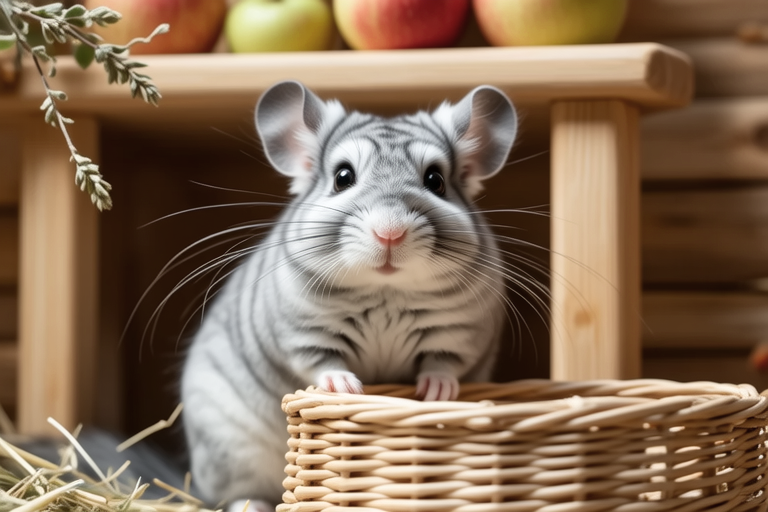
From Cage to Freedom: Transforming Your Space for a Happy Chinchilla
Chinchillas are fascinating creatures known for their plush, soft fur and playful nature. However, their unique needs often go unnoticed by pet owners. Providing a spacious and enriching environment is crucial for their physical and mental health. This guide will help you understand the importance of transitioning your chinchilla from a cage to a larger, chinchilla-proofed room, ensuring they thrive in their new surroundings.
The Unique Needs of Chinchillas
Chinchillas are native to the Andes Mountains in South America, where they live in rocky, high-altitude environments. Their natural habitat is characterized by cold temperatures, sparse vegetation, and numerous crevices for shelter. These conditions have shaped their behavior and physiology, making them highly active and social animals that require ample space to explore and play.
In captivity, chinchillas need more than just a standard cage. They require a roomy enclosure that allows them to move freely, jump, and engage in activities that mimic their natural behaviors. A spacious environment promotes better physical health and mental stimulation, reducing stress and preventing behavioral issues such as chewing or over-grooming.
The Importance of Transitioning from a Cage to a Room
Transitioning from a cage to a larger, chinchilla-proofed room is essential for your chinchilla’s well-being. A room provides a much-needed increase in space, allowing your chinchilla to stretch its legs, jump, and explore without restriction. It also offers the opportunity to create a more enriching environment tailored to their specific needs.
A chinchilla-proofed room ensures that your pet has a safe space free from potential hazards. Properly preparing the room involves removing any toxic plants, securing electrical cords, and covering or removing any small objects that could be swallowed. Additionally, the room should be designed to maintain a cool temperature, as chinchillas are sensitive to heat and can suffer from heatstroke if exposed to temperatures above 80°F (27°C).
Creating a Suitable Environment
Flooring
The type of flooring you choose for your chinchilla’s room is crucial. Hardwood floors are ideal as they provide a smooth surface that is easy to clean and maintain. Avoid carpeting or rugs, as these can harbor bacteria and mold, leading to respiratory issues for your chinchilla. If hardwood floors are not an option, consider using washable, non-toxic linoleum tiles.
Hiding Spots
Providing multiple hiding spots is essential for your chinchilla’s comfort and security. Chinchillas are naturally curious but also timid, so having several safe places to retreat to when feeling overwhelmed is important. Consider adding cardboard boxes, wooden platforms, or small tunnels made from untreated wood. These structures not only offer hiding spots but also encourage climbing and exploration.
Temperature Control
Maintaining a cool temperature is vital for your chinchilla’s health. Ideally, the room should be kept between 60°F and 70°F (15°C to 21°C). To achieve this, consider installing a programmable thermostat or using fans during warmer months. Avoid placing the room near windows or heat sources, as direct sunlight can quickly raise the temperature inside.
Necessary Items for Enrichment
Dust Bath
One of the most important aspects of a chinchilla’s care is providing regular access to a dust bath. Chinchillas use dust baths to clean and condition their fur, which helps prevent skin issues and keeps their coat healthy. A shallow container filled with commercial chinchilla dust is sufficient for this purpose. Ensure the dust bath is placed in a corner of the room away from food and water bowls to avoid contamination.
Toys and Enrichment
To keep your chinchilla mentally stimulated and physically active, it’s essential to provide a variety of toys. Chewing toys made from untreated wood or paper rope are excellent choices, as they allow your chinchilla to gnaw, which is a natural behavior for them. Additionally, consider adding a small wheel specifically designed for chinchillas, as they enjoy running and getting exercise. Rotate toys regularly to keep your chinchilla engaged and interested in their environment.
Monitoring and Ensuring Safety
While a chinchilla-proofed room provides a safer environment, constant supervision is still necessary, especially during the initial transition period. Observe your chinchilla closely to ensure they are adapting well and not showing signs of distress or discomfort. Regularly check for any potential hazards, such as loose wires or small objects that could be ingested.
Establish a routine for feeding, cleaning, and interacting with your chinchilla. Consistency helps your chinchilla feel secure and comfortable in their new space. It’s also important to monitor their behavior for any changes that might indicate illness or stress. Early detection of health issues can lead to prompt veterinary care and a quicker recovery.
The Benefits of This Transformation
By transforming your chinchilla’s living space from a cage to a room, you are providing them with an environment that closely resembles their natural habitat. This change offers numerous benefits for your chinchilla’s well-being:
- Improved Physical Health: Increased space allows for more movement, which helps prevent obesity and other health issues associated with a sedentary lifestyle.
- Enhanced Mental Stimulation: A richer environment with various toys and hiding spots encourages exploration and problem-solving, keeping your chinchilla mentally sharp.
- Reduced Stress: The ability to move freely and retreat to safe spaces when needed reduces anxiety and promotes a calmer demeanor.
- Stronger Bond: Spending quality time in a shared space fosters a stronger bond between you and your chinchilla, enhancing trust and companionship.
Ultimately, transforming your chinchilla’s living space is an investment in their overall happiness and longevity. By creating a safe, enriching environment, you ensure that your chinchilla thrives both physically and emotionally.
