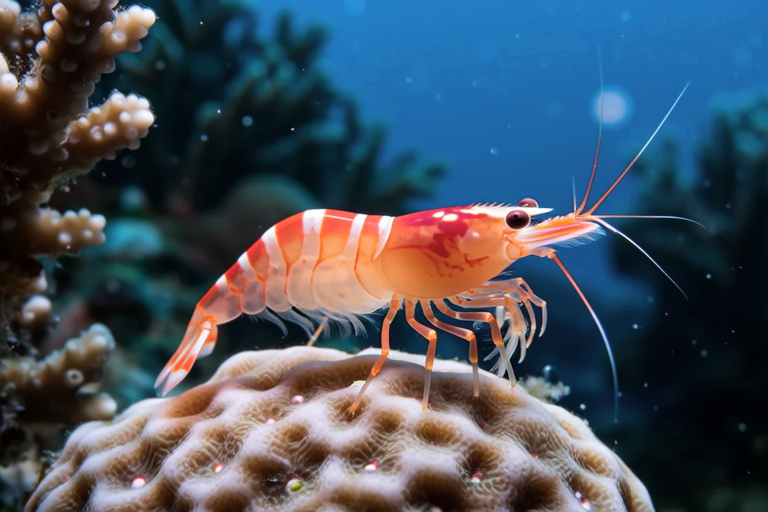
How Coral Shrimp Can Brighten Up Any Reef Tank
Welcome to the vibrant world of reef tanks! Among the myriad creatures that can be added to enhance the beauty and health of your aquarium, coral shrimp stand out as particularly appealing. These small crustaceans come in various species, each offering its own unique charm and benefits. This article will guide you through the fascinating world of coral shrimp, exploring their characteristics, the advantages they bring to your reef tank, and how to set up an ideal environment for them.
Introduction to Coral Shrimp Species
Coral shrimp belong to the genus Periclimenes and are widely appreciated for their striking colors and graceful movements. Some of the most popular species among hobbyists include the peppermint shrimp (Periclimenes longipes), scarlet cleaner shrimp (Periclimenes magnificus), and the bicolored coral shrimp (Periclimenes bifurcatus). Each of these species boasts distinctive hues, from the bold red stripes of the peppermint shrimp to the vibrant orange and white of the bicolored coral shrimp. Their vivid colors not only add aesthetic appeal but also serve as effective camouflage against predators.
What sets coral shrimp apart is their unique relationship with corals. They often form symbiotic partnerships, living among the branches of certain coral species, where they find shelter and food. The shrimp, in turn, help maintain the health of their coral hosts by consuming debris and small parasites. This mutualistic relationship highlights the intricate balance of life within a reef ecosystem.
The Benefits of Adding Coral Shrimp to Your Reef Tank
Introducing coral shrimp into your reef tank can significantly enhance its overall health and appearance. One of the primary benefits is their role in maintaining tank cleanliness. Coral shrimp are natural scavengers, constantly searching for organic matter such as uneaten food particles, dead polyps, and other detritus. By keeping the substrate clean and free from debris, they contribute to the overall hygiene of the tank, reducing the risk of harmful bacteria buildup and algae overgrowth.
In addition to their cleaning abilities, coral shrimp play a crucial role in pest control. Certain species, like the peppermint shrimp, are known for their appetite for Aiptasia anemones, a common pest in reef tanks. By targeting these invasive organisms, coral shrimp help keep the tank balanced and prevent the spread of potentially harmful species.
The presence of coral shrimp also encourages positive interactions with corals. Their gentle movements and feeding habits stimulate the growth of coral tissues, promoting a thriving and dynamic reef environment. This interaction not only benefits the corals but also adds to the visual spectacle of your aquarium, creating a harmonious and lively display.
Setting Up an Ideal Environment for Coral Shrimp
To ensure the wellbeing of your coral shrimp, it’s essential to create an environment that meets their specific needs. This includes careful consideration of their diet, water parameters, and compatibility with other tank inhabitants.
Diet and Feeding
Coral shrimp are omnivorous, feeding on both plant-based and animal-based foods. In the wild, they consume algae, detritus, and small invertebrates. To replicate this diet in a home aquarium, provide a varied menu that includes high-quality marine flake or pellet food, frozen foods such as brine shrimp and mysis shrimp, and occasional live treats like blackworms or daphnia. Additionally, consider supplementing their diet with algae wafers or sheets, which can help satisfy their plant-based nutritional requirements.
It’s important to note that coral shrimp have a relatively slow metabolism, so they don’t require frequent feedings. Offering food every two to three days is usually sufficient, allowing them time to scavenge naturally between meals.
Water Parameters
Maintaining optimal water conditions is crucial for the health and longevity of coral shrimp. Ensure that your tank has stable parameters, with a temperature range of 72-78°F (22-26°C) and a pH level between 8.1 and 8.4. Salinity should be kept at approximately 1.023-1.025 specific gravity, mimicking the conditions of their natural habitat. Regular water changes and efficient filtration systems are key to sustaining these parameters, preventing fluctuations that could stress your shrimp.
Adequate lighting is another critical factor. While coral shrimp can adapt to various lighting levels, providing moderate to high-intensity light sources will promote the growth of beneficial algae and enhance the overall appearance of your tank. However, avoid overly intense lighting that may cause excessive algae blooms or stress your shrimp.
Tank Mates Compatibility
Selecting compatible tank mates is vital when housing coral shrimp. Due to their small size and delicate nature, they should not be housed with larger, more aggressive fish that might prey upon them. Opt for peaceful species such as clownfish, gobies, and smaller wrasses that won’t pose a threat to your shrimp. Additionally, avoid introducing shrimp-eating fish like lionfish or large triggerfish.
When it comes to other shrimp species, be cautious about overcrowding and potential aggression. While some coral shrimp can coexist peacefully, others may compete for resources or engage in territorial disputes. Introduce new shrimp gradually and monitor their behavior closely to ensure harmony within the tank.
Observing Behaviors and Growth
Once your coral shrimp are settled into their new home, take the time to observe their behaviors and growth patterns. Healthy coral shrimp are active and alert, frequently moving around the tank in search of food and hiding spots. They may also exhibit cleaning behaviors, diligently removing debris from corals and rocks.
Regular monitoring allows you to detect any signs of stress or illness early on. Look for symptoms such as lethargy, discolored body parts, or abnormal swimming patterns. If you notice any issues, investigate potential causes, such as poor water quality or dietary deficiencies, and take appropriate action to address them.
Over time, you’ll witness the gradual growth and development of your coral shrimp. With proper care and a suitable environment, they can thrive and multiply, contributing to the ongoing vitality of your reef tank. Their presence will not only enhance the visual appeal of your aquarium but also foster a healthier and more balanced ecosystem.
In conclusion, coral shrimp are remarkable additions to any reef tank, bringing vibrant colors, beneficial cleaning habits, and a sense of natural harmony. By understanding their specific needs and providing an optimal environment, you can ensure the wellbeing and flourishing of these delightful creatures. Embrace the joy of watching them interact with your corals and contribute to the overall health of your aquarium, creating a truly captivating underwater world.
