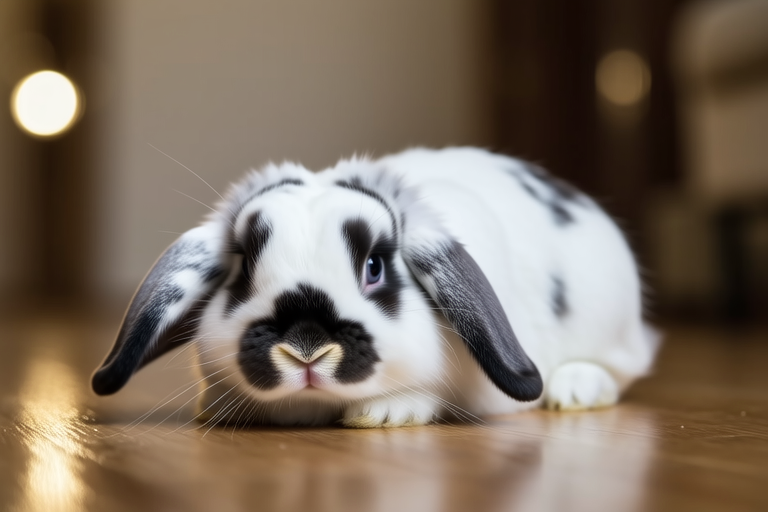
Adorable Hotot Rabbits: The Pearl-Eyed Beauties of the Rabbit World
Welcome to the enchanting world of Hotot rabbits! These charming creatures have captured the hearts of many with their unique appearance and delightful personalities. With their striking white coats and distinctive dark eye rings, Hotots are truly one-of-a-kind. In this article, we will explore everything you need to know about these pearl-eyed beauties, from their captivating history to their care requirements and dietary needs.
The History and Popularity of Hotot Rabbits
The Hotot rabbit breed has a rich and fascinating history that dates back to the early 20th century. It was developed in France by Eugenie Bernhard, who sought to create a rabbit with a pure white coat and distinct black eye rings. Her efforts resulted in the Hotot, named after the village of Hotot-en-Auge where she lived. The breed quickly gained popularity for its stunning appearance and gentle nature.
Despite their initial success, Hotots experienced a decline in numbers during the mid-20th century. However, thanks to dedicated enthusiasts, they have made a comeback in recent years. Today, Hotots are still considered a rare breed but are cherished by those who have the privilege of owning them.
A Distinctive Appearance
One of the most striking features of Hotot rabbits is their beautiful white fur. This pure white coat serves as the perfect backdrop for their signature dark eye rings, which are formed by a narrow band of black or gray fur surrounding each eye. The contrast between the white fur and the dark eye rings gives Hotots their unmistakable charm and elegance.
Hotots typically weigh between 4 and 5 pounds, making them medium-sized rabbits. They have a compact, well-proportioned body with short, fine bones. Their heads are rounded, and their ears are relatively small and close-set. Their eyes, often referred to as “pearls,” add to their overall appeal and make them instantly recognizable.
Temperament and Personality
Hotot rabbits are known for their gentle and affectionate nature, making them excellent companions for both children and adults. They are generally calm and docile, enjoying quiet moments of relaxation as much as playtime. Despite their small size, Hotots are surprisingly sturdy and can tolerate moderate handling, which makes them ideal pets for families.
These rabbits are intelligent and curious, often exploring their surroundings with great interest. They enjoy interacting with their owners and can be trained to perform simple tricks or come when called. However, like all rabbits, they require patience and understanding, especially when introducing them to new environments or people.
Care Requirements
Proper care is essential for ensuring the health and happiness of your Hotot rabbit. A spacious and secure living environment is crucial, providing ample space for exercise and mental stimulation. A large hutch or indoor enclosure with plenty of room to move around is recommended. Additionally, it’s important to provide your rabbit with a safe area where they can dig and burrow, such as a sandbox or a designated digging spot.
To keep your Hotot comfortable and clean, regular grooming is necessary. Their short, dense fur requires brushing once or twice a week to remove loose hairs and prevent matting. During shedding season, more frequent grooming may be required to manage excess fur. Bathing should be done sparingly, only when absolutely necessary, to avoid stripping their natural oils.
Maintaining a clean living environment is also vital for your rabbit’s health. Clean their living quarters regularly, removing any soiled bedding or uneaten food. Providing fresh water daily is essential, as rabbits need constant access to clean water to stay hydrated.
Dietary Needs
Hotot rabbits have specific dietary requirements that must be met to ensure their optimal health. A balanced diet consisting of high-quality hay, fresh vegetables, and a limited amount of pellets is recommended. Timothy hay is particularly beneficial, as it aids in digestion and promotes dental health. Other suitable hays include orchard grass, oat hay, and meadow hay.
In addition to hay, offering a variety of fresh vegetables can provide essential nutrients and vitamins. Some safe options include leafy greens like romaine lettuce, parsley, and spinach. Carrots and bell peppers can be given in moderation due to their high sugar content. Avoid feeding your rabbit foods that are harmful to rabbits, such as iceberg lettuce, avocado, or chocolate.
Pellets formulated specifically for rabbits should be provided in limited quantities, as overfeeding can lead to obesity and other health issues. Consult with your veterinarian to determine the appropriate amount based on your rabbit’s age, weight, and activity level.
Common Health Issues
Like all rabbit breeds, Hotots are susceptible to certain health problems. One common issue is dental disease, which can occur if their teeth grow too long or become misaligned. Regular dental check-ups with a veterinarian experienced in rabbit care can help prevent or address dental problems early on.
Gastrointestinal stasis, a condition where the digestive system slows down or stops, is another concern for rabbits. To prevent this, ensure your rabbit has access to unlimited hay, which encourages constant chewing and helps maintain healthy digestion. Monitoring your rabbit’s eating habits and stool production can help detect any signs of gastrointestinal issues early.
Respiratory infections are also prevalent among rabbits, particularly in environments with poor ventilation or high levels of dust. Keeping your rabbit’s living area clean and well-ventilated can reduce the risk of respiratory issues. If you notice symptoms such as sneezing, nasal discharge, or labored breathing, consult your veterinarian promptly.
Tips for Potential Owners
If you’re considering adding a Hotot rabbit to your family, there are several important factors to keep in mind. First and foremost, ensure you are prepared for the commitment involved in caring for a rabbit. Rabbits can live for 8 to 12 years, and they require consistent attention and care throughout their lives.
Spaying or neutering your rabbit is highly recommended to prevent unwanted litters and reduce the risk of certain health conditions. Additionally, providing proper socialization and mental stimulation is crucial for your rabbit’s well-being. Spend time playing with your rabbit, offering toys for enrichment, and creating a stimulating environment.
Lastly, consider adopting a Hotot rabbit from a reputable breeder or rescue organization. Many rescued rabbits are looking for loving homes and can make wonderful companions. By adopting, you not only provide a home for a deserving rabbit but also support animal welfare organizations.
Conclusion
Hotot rabbits are truly remarkable creatures, combining beauty, intelligence, and affection into one delightful package. Their distinctive appearance, gentle temperament, and unique history make them stand out among other rabbit breeds. By understanding their care requirements, dietary needs, and potential health issues, you can ensure a happy and healthy life for your Hotot rabbit.
Whether you’re a seasoned rabbit owner or considering welcoming a Hotot into your family for the first time, these pearl-eyed beauties are sure to bring joy and companionship. Embrace the opportunity to share your life with one of these charming rabbits and experience the love and loyalty they offer in return.
