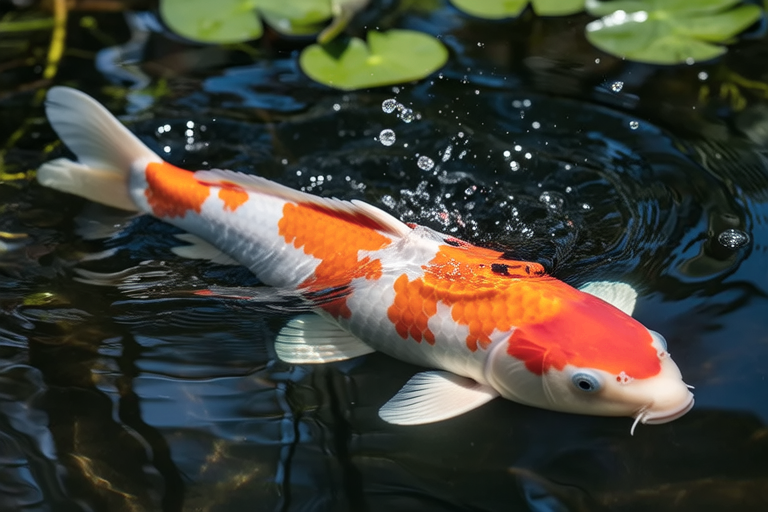
From Pond to Pool: A Guide to Raising Healthy Koi
Raising koi can be a rewarding hobby that combines the tranquility of nature with the joy of animal companionship. Koi, a variety of domesticated common carp, are known for their vibrant colors and graceful movements. This guide will help you establish a thriving koi pond by covering various aspects from pond location and design to maintenance and enrichment.
Choosing the Right Pond Location and Design
The first step in raising healthy koi is selecting the appropriate location and designing your pond. The ideal spot should receive at least six hours of sunlight daily but also offer some shade, especially during summer months. Avoid areas prone to flooding or strong winds that could cause significant water disturbance.
Design considerations include depth and size. A deeper pond (at least 6 feet) provides better temperature stability and protection against predators. For every 100 gallons of water, you can safely house one 10-inch koi. Ensure there’s enough surface area for oxygen exchange through photosynthesis and aeration devices.
Incorporate features like rocks, plants, and caves to mimic natural habitats, enhancing both aesthetics and koi comfort. These structures provide hiding spots and reduce stress, crucial for maintaining fish health.
Essential Equipment for Maintaining Water Quality
Water quality is paramount for koi health. Essential equipment includes filters, pumps, skimmers, and UV sterilizers. Biological filters support beneficial bacteria necessary for breaking down ammonia and nitrite produced by fish waste. Mechanical filters trap debris before it decomposes, preventing nutrient overload.
Adequate filtration systems ensure clean, clear water while maintaining balanced pH levels. Regularly check and maintain these systems to prevent clogs and ensure efficient operation. Oxygenation devices such as air stones or waterfalls increase dissolved oxygen, vital for aerobic respiration in koi.
UV sterilizers eliminate harmful microorganisms, including parasites and bacteria, without affecting beneficial bacteria populations. Proper sizing based on pond volume ensures effective disinfection.
Proper Koi Feeding Techniques
Feeding is critical for growth and vitality. High-quality pellets formulated specifically for koi provide balanced nutrition. Adjust feeding amounts according to water temperature; less food at lower temperatures as metabolism slows. Overfeeding leads to excess waste production, degrading water quality.
Diverse diets promote optimal health. Supplement pellets with occasional treats like vegetables or algae wafers. Monitor fish behavior during feeding times to gauge appetite and detect potential health issues early.
Koi are omnivorous, meaning they eat both plant and animal matter. Understanding their dietary needs helps maintain overall health and color vibrancy. Scientific studies indicate that varied diets contribute positively to immune function and longevity.
Common Health Issues and Preventive Measures
Despite best efforts, koi may encounter health challenges. Common ailments include fin rot, fungal infections, and parasitic infestations. Fin rot manifests as frayed or discolored fins due to bacterial infection. Fungal infections appear as cotton-like growths on skin or gills, often caused by poor water quality or physical injury.
To prevent these issues, maintain pristine water conditions through regular testing and adjustments. Quarantine new additions for several weeks to monitor for diseases. Implement quarantine protocols if existing fish show signs of illness.
Vaccinations aren’t widely available for koi, so focusing on environmental management remains key. Early detection and treatment minimize spread within the population. Consult veterinarians specializing in aquatic animals for expert advice.
Tips for Creating an Enriching Environment
Creating an enriching environment enhances koi well-being. Incorporate floating platforms or shallow areas where koi can rest comfortably. Install LED lights that simulate natural day-night cycles, promoting normal circadian rhythms.
Underwater landscaping adds visual interest and functional benefits. Plants like water lilies or hyacinths provide shade and oxygenate water naturally. They also serve as natural filters, absorbing nutrients that might otherwise fuel algae blooms.
Understanding koi behavior aids in creating stimulating environments. Koi exhibit curiosity and social behaviors, enjoying interactions with humans. Interactive elements like floating toys encourage exploration and exercise.
Regular Maintenance and Seasonal Care
Consistent upkeep is crucial for long-term success. Weekly tasks include checking water parameters (pH, ammonia, nitrite), cleaning filters, and inspecting equipment functionality. Bi-monthly deep cleanings remove accumulated debris from pond floors.
Seasonal changes necessitate additional attention. During winter, reduce feeding frequency as metabolic rates decrease. In warmer months, increase aeration to compensate for higher evaporation rates. Spring and fall require thorough inspections and preparations for breeding season.
Monitoring weather patterns allows proactive adjustments. Heavy rains dilute chemicals, potentially compromising water quality. Anticipating these events enables timely interventions, preserving ideal conditions.
By following this comprehensive guide, you’ll set up a nurturing environment conducive to happy, healthy koi. Patience and dedication yield beautiful results, transforming your backyard into a serene oasis teeming with life.
