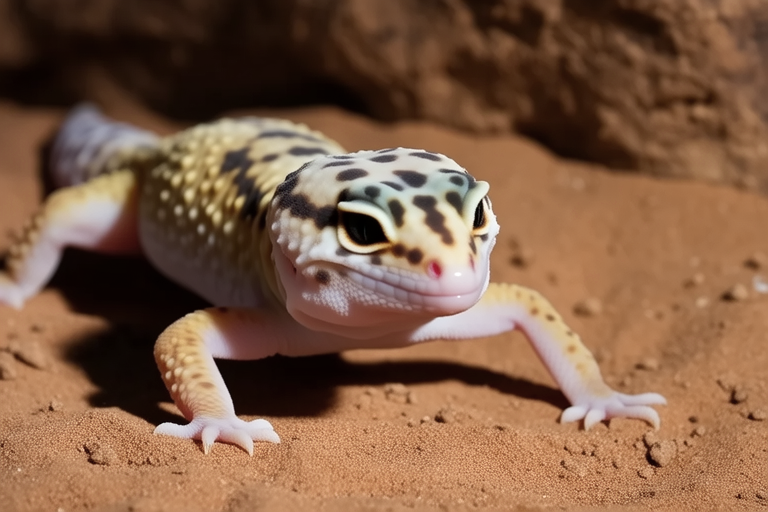
Leopard Geckos: A Comprehensive Guide
Leopard geckos (Eublepharis macularius) are one of the most popular pet reptiles due to their docile nature, ease of care, and captivating appearance. This guide delves into the unique characteristics, care requirements, and behaviors of these charming creatures, providing valuable information for both novice and experienced reptile enthusiasts.
Natural Habitat and Origin
Native to the arid regions of Afghanistan, Pakistan, India, and parts of Iran, leopard geckos thrive in rocky deserts and scrublands. Their natural environment is characterized by extreme temperatures and limited water availability, which has shaped their evolutionary adaptations. In the wild, they are nocturnal, emerging at night to hunt small insects and hide during the day to avoid predators and harsh sunlight.
Unique Characteristics
Leopard geckos possess several distinctive features that set them apart from other reptiles. They have soft, velvety skin covered in spots resembling those of leopards, giving them their name. Unlike many other gecko species, they lack adhesive toe pads, instead relying on claws for climbing. Another remarkable trait is their ability to autotomize (shed) their tails when threatened, an adaptation that distracts predators while the gecko escapes.
Dietary Needs
In the wild, leopard geckos are insectivores, primarily feeding on crickets, mealworms, and other small invertebrates. Captive diets should closely mimic this, with high-quality commercial insect products supplemented with calcium and vitamins. Feeding should be done in moderation, as overfeeding can lead to obesity and related health issues.
Common Health Issues
Like all animals, leopard geckos are susceptible to various health problems. Respiratory infections, metabolic bone disease, and parasites are among the most common. Regular veterinary check-ups, proper husbandry, and a balanced diet can help prevent many of these issues. Early detection and treatment are crucial for maintaining your gecko’s well-being.
Selecting the Right Enclosure Setup
The enclosure is the foundation of a healthy leopard gecko habitat. For a single adult, a 10-gallon tank is sufficient; larger enclosures may be necessary for multiple geckos. The enclosure should provide ample space for climbing, hiding, and thermoregulation. Decorative rocks, branches, and caves can enhance the environment and stimulate natural behaviors.
Temperature Control
Maintaining appropriate temperatures within the enclosure is critical for leopard geckos’ health. A thermal gradient should be established, with a warm end (88-90°F) and a cooler end (75-80°F). Heat sources such as ceramic heat emitters or under-tank heaters can achieve this, ensuring the gecko can regulate its body temperature by moving between warm and cool areas.
Substrate Choices
The choice of substrate plays a vital role in creating a safe and comfortable environment for your leopard gecko. Reptile carpet, paper towels, and eco-friendly substrates like coconut fiber or cypress mulch are popular options. Avoid fine sand or gravel, which can cause impaction if ingested. Proper bedding encourages natural behaviors and reduces the risk of injury.
Differences Between Wild and Domesticated Leopard Geckos
Wild leopard geckos exhibit more cautious and territorial behaviors compared to their domesticated counterparts. In captivity, they tend to be more relaxed and less aggressive, making them ideal pets. However, some wild-caught geckos may retain their wariness, requiring patience and gentle handling to acclimate.
Social Behaviors and Communication
Leopard geckos are generally solitary animals, but they can display social behaviors when housed together. Males may become territorial and engage in displays of dominance, while females tend to coexist peacefully. Communication among geckos involves visual cues, body language, and scent marking. Understanding these behaviors can help you create a harmonious living environment.
Tips for Handling and Bonding
Gentle handling is essential for building trust with your leopard gecko. Start by allowing the gecko to acclimate to its new home before attempting to handle it. When handling, support the gecko’s body with both hands, avoiding excessive squeezing or restraining. Regular interaction can strengthen the bond between you and your pet, leading to a rewarding relationship.
Conclusion
Leopard geckos offer a fascinating glimpse into the world of reptiles, combining beauty, intelligence, and adaptability. By understanding their unique characteristics, care requirements, and behaviors, you can provide a thriving environment for these captivating creatures. Whether you’re a first-time reptile owner or an experienced herpetologist, leopard geckos make excellent companions with their docile nature and low-maintenance lifestyle.
