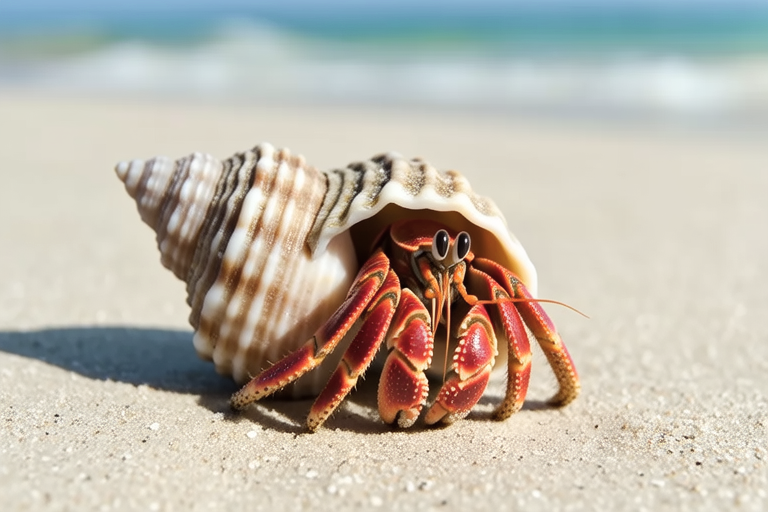
Top 10 Fascinating Facts About Hermit Crabs You Didn’t Know
Hermit crabs, those quirky little creatures with their ever-changing homes, have captured the imagination of many. Known for their distinctive shells and peculiar way of life, these crustaceans are more than just a novelty pet or an ocean oddity. They are fascinating organisms with a rich array of behaviors and adaptations that make them stand out in the animal kingdom. Let’s dive into the top 10 lesser-known facts about hermit crabs that will leave you amazed.
1. Unique Shell Selection Process
One of the most iconic traits of hermit crabs is their use of discarded mollusk shells as protection. However, the process of selecting a new home is far from random. Hermit crabs are incredibly selective, often inspecting multiple shells before making a decision. They assess the size, shape, and weight of each shell, ensuring it provides both adequate space for growth and protection from predators. This meticulous selection process is crucial, as the shell acts as their shield against the harsh elements of their environment.
2. Social Creatures Despite Their Solitary Appearance
Contrary to their solitary appearance, hermit crabs are actually quite social animals. They frequently gather in large groups, especially during molting periods when they shed their exoskeletons. These gatherings serve several purposes: they provide safety in numbers, facilitate mating, and offer opportunities for shell trading. During these events, hermit crabs exchange shells, sometimes even fighting over the best options. This behavior underscores the importance of community within this species.
3. Growth and Molting: A Challenging Journey
Growing up is no easy task for hermit crabs. As they grow, they must periodically shed their hard exoskeleton, a process known as molting. During this time, they are extremely vulnerable, as their soft bodies require protection. To aid in this delicate transition, hermit crabs secrete a substance that helps them dig into the sand, creating a safe space where they can molt in peace. After molting, they eat their old exoskeleton for essential nutrients, a recycling mechanism that highlights their resourcefulness.
4. Dietary Preferences: Omnivorous Marvels
Hermit crabs are omnivores, meaning they consume both plant and animal matter. Their diet includes algae, decaying organic material, small sea creatures, and even detritus. Interestingly, they also exhibit a preference for certain foods, such as fruits and vegetables, which they can find in their natural habitats. In captivity, providing a varied diet is crucial for their health and well-being. This diverse eating habit allows hermit crabs to thrive in environments with fluctuating food availability.
5. Sensitivity to Environmental Changes
Hermit crabs are highly sensitive to changes in their environment, particularly temperature and humidity. They rely on specific conditions to maintain their health and well-being. For instance, if the temperature drops too low, hermit crabs may become lethargic or even die. Similarly, excessive heat can cause dehydration and stress. Maintaining optimal living conditions is essential for both wild hermit crabs and those kept as pets, highlighting the importance of understanding their environmental needs.
6. Evolutionary Adaptations for Survival
The evolution of hermit crabs has been shaped by their need for protection. Unlike most crustaceans, hermit crabs lack a hard exoskeleton covering their entire body. Instead, they have adapted to use shells for defense. This adaptation has allowed them to exploit a wide range of habitats, from shallow waters to sandy beaches. Additionally, their flexible abdomens enable them to fit snugly inside their chosen shells, further enhancing their protection.
7. Communication Methods: More Than Just Squeaks
Hermit crabs communicate through a variety of methods, including chemical signals and physical gestures. While they are known for producing squeaking sounds, these vocalizations play a significant role in their social interactions. Chemical signals are used to mark territory and attract mates, while physical gestures, such as waving antennae, help in establishing dominance or signaling distress. Understanding these communication methods provides insight into the complex social lives of hermit crabs.
8. Habitat Diversity: From Shallow Waters to Sandy Beaches
Hermit crabs are found in a wide range of habitats, from shallow waters near the shore to sandy beaches. Their adaptability allows them to thrive in various conditions, from tropical regions to temperate climates. Some species prefer rocky shores, while others inhabit mangrove swamps. This diversity in habitat reflects their ability to exploit different ecological niches, contributing to their widespread distribution across the globe.
9. Mating Rituals: A Dance of Courtship
The mating rituals of hermit crabs are elaborate and involve intricate dances between males and females. These dances serve to establish pair bonds and ensure successful reproduction. Male hermit crabs often engage in competitive displays to attract potential mates, showcasing their fitness and suitability as partners. Once a pair bond is established, the female carries the fertilized eggs under her abdomen until they hatch, demonstrating the hermit crab’s commitment to parental care.
10. Pet Care Challenges and Rewards
For those who choose to keep hermit crabs as pets, there are unique challenges and rewards. Providing the right environment, including appropriate humidity levels and a variety of shells, is crucial for their well-being. Additionally, hermit crabs require regular interaction and enrichment to stay healthy and happy. Despite the challenges, caring for hermit crabs can be incredibly rewarding, offering a window into the lives of these fascinating creatures.
In conclusion, hermit crabs are not just curious pets but complex creatures with a wealth of interesting behaviors and adaptations. From their careful shell selection to their intricate social structures, these little crabs continue to captivate and intrigue us. Whether you’re a seasoned marine biologist or a curious pet owner, there’s always something new to learn about these remarkable crustaceans.
