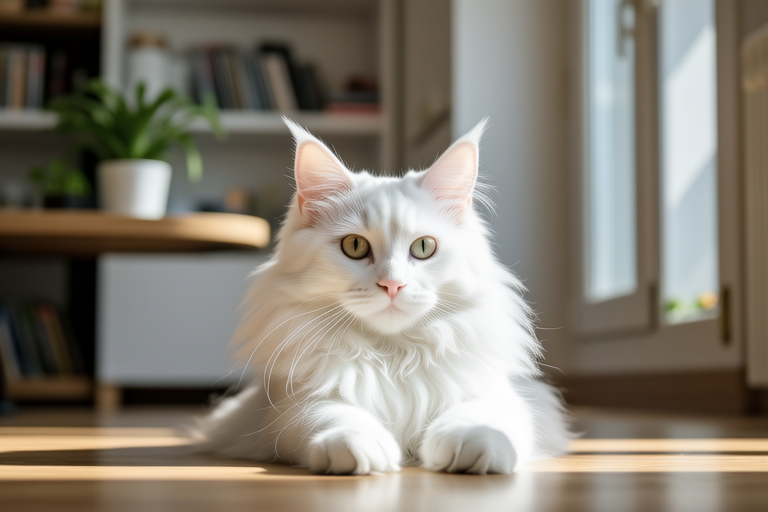
Whiskers of Wonder: A Journey into the World of Turkish Angoras
In the realm of feline fascination, few breeds capture the imagination quite like the Turkish Angora. This elegant and regal breed has been captivating hearts for centuries, with a history deeply rooted in the rich tapestry of Turkish culture. From ancient legends to modern-day companionship, the Turkish Angora has proven itself to be more than just a beautiful cat—it is a symbol of grace, intelligence, and unwavering loyalty.
The Origins and Historical Significance
The Turkish Angora, named after Ankara (formerly known as Angora), the capital city of Turkey, has a lineage that stretches back thousands of years. References to these long-haired, strikingly beautiful cats can be found in Turkish literature and folklore, where they are often depicted as symbols of elegance and mystery. The breed’s origins are believed to have begun in central Anatolia, where the cool climate provided the perfect environment for the development of their lush coats.
Historically, Turkish Angoras were highly prized and often gifted as diplomatic presents. Their presence in royal courts and palaces across the Ottoman Empire underscored their status as noble creatures. Today, while still revered in their homeland, Turkish Angoras have also found their way into homes around the world, bringing with them tales of ancient lands and timeless beauty.
Distinctive Appearance
The Turkish Angora is renowned for its striking appearance. With a slender, muscular build, this breed boasts a graceful demeanor that commands attention. Their coats are typically semi-longhaired, with a soft and silky texture. The most common color is white, though other colors such as black, red, blue, and tabby are also recognized. The breed is particularly famous for its unique eye color combinations, with many Turkish Angoras sporting one blue eye and one amber or green eye—a trait known as heterochromia. This striking feature adds to the breed’s allure and makes each individual cat truly one-of-a-kind.
Their large, expressive eyes, combined with their luxurious, flowing tails, contribute to their overall elegance. Their ears are wide-set and tufted, enhancing their alert and curious expressions. These physical attributes not only make the Turkish Angora visually stunning but also give them a distinct and unmistakable presence.
Temperament, Intelligence, and Behavior
Beyond their striking appearance, Turkish Angoras are known for their exceptional intelligence and playful nature. They are highly active and inquisitive, always seeking out new adventures and challenges. Their curiosity often leads them to explore every nook and cranny of their surroundings, making them excellent problem solvers. This breed thrives on mental stimulation and enjoys interactive play, which keeps their minds sharp and engaged.
Turkish Angoras are also known for their strong bonds with their human companions. They are affectionate and often form deep emotional connections with their families. While they may be somewhat reserved with strangers, they are typically very loyal and devoted to those they trust. Their vocal nature means they are not shy about expressing their feelings or needs, often communicating through chirps, meows, and even purrs that can be heard from across the room.
Caring for a Turkish Angora
Proper care is essential for maintaining the health and happiness of your Turkish Angora. Regular grooming is necessary to keep their coats in top condition, especially during shedding seasons. Brushing them at least once a week helps remove loose hair and prevents matting. Additionally, it’s important to trim their nails regularly to avoid discomfort and injury.
Feeding them a balanced diet rich in protein and essential nutrients is crucial for their overall health. Consult with a veterinarian to determine the best food options based on your cat’s age, weight, and activity level. Regular veterinary check-ups are also important to ensure early detection and treatment of any potential health issues.
One particular health consideration for Turkish Angoras is their susceptibility to certain genetic conditions, such as hypertrophic cardiomyopathy, a heart disease. Regular monitoring and screenings can help manage and prevent complications associated with these conditions. Early intervention can significantly improve their quality of life.
Anecdotes and Stories
The bond between humans and Turkish Angoras is often described as profound and transformative. One such story involves a Turkish Angora named Luna, who was adopted by a family after being rescued from a shelter. Initially shy and reserved, Luna slowly began to open up, forming a deep connection with her new family. Her intelligence and playful nature brought joy and laughter into their home, and she became a cherished member of the family.
Another touching tale is that of a Turkish Angora named Sultan, who was known for his protective nature. Sultan would often accompany his owner on walks, patrolling the neighborhood and ensuring everyone was safe. His loyalty and bravery earned him the admiration of neighbors and friends alike, solidifying his place as a beloved community mascot.
These stories, among many others, highlight the unique and special relationship that can develop between Turkish Angoras and their human companions. Their presence in a household can bring warmth, companionship, and a sense of security, making them cherished members of the family.
Conclusion
The Turkish Angora is a breed that combines beauty, intelligence, and charm, making it a standout among cat enthusiasts. From its storied past in ancient Turkish courts to its role as a cherished companion today, the Turkish Angora continues to captivate hearts and imaginations. Whether you are a seasoned cat lover or considering adding a Turkish Angora to your family, this breed offers a lifetime of wonder and companionship. Embrace the whiskers of wonder and discover the magic of the Turkish Angora.
