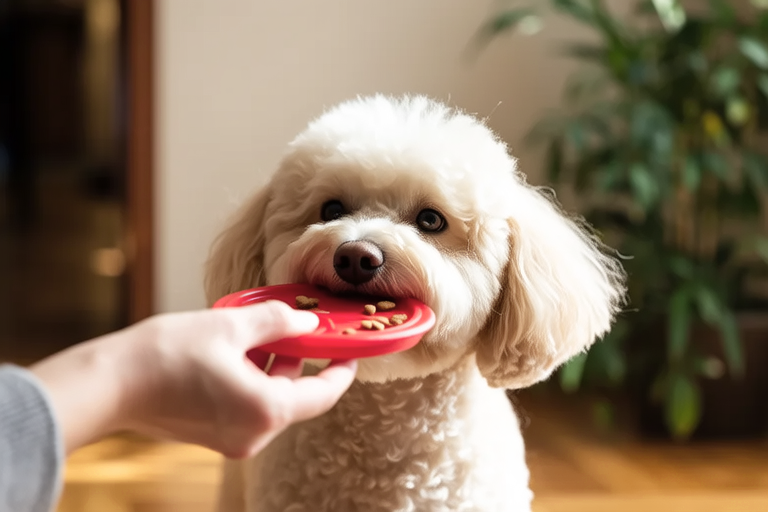
Poodle Parenting 101: Tips for First-Time Owners
Welcome to the wonderful world of poodle parenting! Poodles are intelligent, loyal, and affectionate dogs that can be an excellent addition to your family. However, like any other pet, they require proper care, attention, and training. This guide will provide you with all the information you need to know about poodle parenting, from selecting the right breed type to caring for their health and well-being.
Selecting the Right Breed Type
Poodles come in three main sizes: toy, miniature, and standard. Each size has its unique characteristics, so it’s important to choose one that best fits your lifestyle and living space.
- Toy Poodles: These are the smallest of the poodle breeds, weighing between 4-6 pounds. They are ideal for apartment living and are great companions for people who lead active lifestyles. Toy poodles are also perfect for families with children, as they are gentle and playful.
- Miniature Poodles: Weighing between 10-15 pounds, miniature poodles are slightly larger than toy poodles but still make great apartment pets. They are more energetic than toy poodles and require more exercise.
- Standard Poodles: The largest of the poodle breeds, standard poodles weigh between 45-70 pounds. They are more suited for homes with larger yards and are ideal for families with older children. Standard poodles are also excellent for people who enjoy outdoor activities such as hiking and swimming.
Essential Care
Poodles are generally healthy dogs, but they do require regular care to maintain their health and well-being. Here are some essential care tips for poodle owners:
- Grooming: Poodles have a hypoallergenic coat that requires regular grooming to prevent matting and tangling. It’s recommended to brush your poodle’s coat daily and take them to a professional groomer every six to eight weeks.
- Dental Hygiene: Like all dogs, poodles need regular dental care to prevent gum disease and tooth decay. Brush your poodle’s teeth at least twice a week and provide them with dental chews or toys.
- Vaccinations and Preventive Care: Make sure your poodle receives all necessary vaccinations and preventive care, including flea and tick treatments and heartworm prevention.
Training
Poodles are highly intelligent and eager to please, making them easy to train. However, training requires patience, consistency, and positive reinforcement. Here are some tips for training your poodle:
- Start Early: Begin training your poodle as soon as you bring them home. Puppies are more receptive to training and can learn basic commands within a few weeks.
- Use Positive Reinforcement: Reward your poodle with treats, praise, and affection when they follow commands correctly. Avoid punishment, as it can create fear and aggression.
- Be Consistent: Use the same commands and hand signals every time you train your poodle. Consistency is key to successful training.
Grooming
Grooming is an essential part of poodle care. Their curly coats require regular brushing and trimming to prevent matting and tangling. Here are some grooming tips for poodle owners:
- Brush Daily: Brush your poodle’s coat daily to remove loose hair and prevent matting. Use a slicker brush or pin brush to avoid pulling out hair.
- Trim Regularly: Take your poodle to a professional groomer every six to eight weeks for a trim. You can also trim your poodle’s coat yourself if you’re comfortable with the process.
- Bathe Occasionally: Bathe your poodle every four to six weeks, depending on their activity level and environment. Use a mild shampoo specifically designed for dogs.
Dietary Needs
A balanced diet is essential for maintaining your poodle’s health and well-being. Here are some dietary tips for poodle owners:
- Choose High-Quality Food: Feed your poodle high-quality dog food that contains real meat as the first ingredient. Avoid foods that contain fillers, artificial preservatives, and by-products.
- Monitor Portion Sizes: Overfeeding can lead to obesity, which can cause health problems such as joint pain and diabetes. Follow the feeding guidelines on the food packaging and adjust portion sizes based on your poodle’s activity level.
- Provide Fresh Water: Always provide your poodle with fresh water, especially after exercise or playtime.
Common Health Issues
Poodles are generally healthy dogs, but they can be prone to certain health issues. Here are some common health problems that poodles may face:
- Hip Dysplasia: This is a condition where the hip joint doesn’t develop properly, leading to arthritis and joint pain. Hip dysplasia is more common in larger breeds, such as standard poodles.
- Epilepsy: Epilepsy is a neurological disorder that causes seizures. It’s estimated that up to 10% of poodles suffer from epilepsy.
- Allergies: Poodles can be allergic to certain foods, environmental factors, or fleas. Symptoms of allergies include itching, scratching, and skin infections.
Exercise Requirements
Poodles are active dogs that require regular exercise to maintain their physical and mental health. Here are some exercise tips for poodle owners:
- Walk Daily: Take your poodle for a walk every day, regardless of the weather. A 30-minute walk is sufficient for most poodles, but larger breeds may require longer walks.
- Play Games: Play fetch, tug-of-war, or other games with your poodle to keep them mentally stimulated.
- Swim: If you have access to a pool or lake, poodles love to swim. Swimming is an excellent form of exercise for poodles, as it’s low-impact and helps build muscle.
Socialization Tips
Socializing your poodle is essential for building confidence and preventing behavioral problems. Here are some socialization tips for poodle owners:
- Expose Early: Expose your poodle to different environments, people, and animals as early as possible. Socialization is most effective during the puppy stage.
- Attend Classes: Enroll your poodle in obedience or agility classes to meet other dogs and people.
- Invite Friends: Invite friends and family over to your home to introduce your poodle to new people.
Recommended Products
Here are some recommended products for new poodle owners:
- Grooming Tools: Invest in a slicker brush, pin brush, and comb to keep your poodle’s coat healthy and shiny.
- Toys: Provide your poodle with toys to keep them mentally stimulated and entertained. Puzzle toys, interactive toys, and chew toys are all great options.
- Collar and Leash: Choose a comfortable collar and leash that fit your poodle properly. Consider using a harness instead of a collar for better control during walks.
By following these tips, you’ll be well on your way to becoming a successful poodle parent. Remember, raising a poodle is a rewarding experience that requires time, effort, and dedication. With proper care and attention, your poodle will become a loyal and loving companion for years to come.
