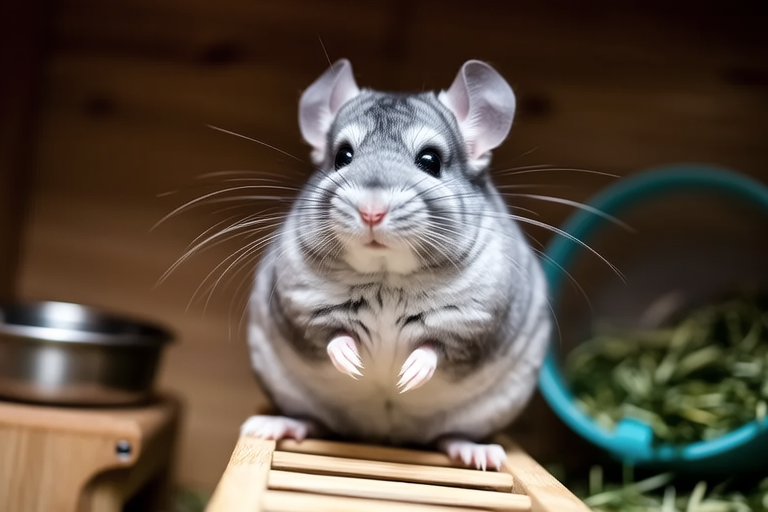
Top Secrets Every New Chinchilla Owner Should Know
Welcome to the wonderful world of chinchillas! These adorable, fluffy rodents are unique creatures with specific needs that set them apart from other pets. Before you dive into chinchilla ownership, it’s important to understand the essentials of their care. This guide will provide you with top secrets every new chinchilla owner should know, covering everything from dietary needs to habitat setup, grooming, and common health issues.
Understanding Your Chinchilla
Chinchillas are native to the Andes Mountains in South America and have adapted to live in cold, high-altitude environments. Their thick fur, which is the softest of any land animal, keeps them warm in these conditions. Unlike many other pets, chinchillas are crepuscular, meaning they are most active during dawn and dusk. This nocturnal behavior can be both a challenge and an opportunity for owners who want to bond with their pets at unusual times of the day.
Dietary Needs
One of the most crucial aspects of chinchilla care is their diet. Chinchillas are herbivores and require a balanced diet to stay healthy. Their diet should primarily consist of hay, such as timothy or orchard grass, which provides essential fiber for digestion. Fresh water should always be available, and it’s best to use a sipper bottle designed for small animals to prevent spills.
In addition to hay, chinchillas need a small amount of pelleted food specifically formulated for them. Avoid feeding them seeds, nuts, or fruits, as these can cause obesity and dental problems. Treats should be given sparingly and only as rewards, not part of their regular diet.
Habitat Setup
Setting up the right habitat is vital for your chinchilla’s well-being. Chinchillas are active animals that need space to move around and play. A wire cage with multiple levels is ideal, as it mimics their natural environment and encourages climbing and exploration. The cage should be placed in a quiet area away from direct sunlight and drafts, as chinchillas are sensitive to temperature changes.
Bedding is another important consideration. Use dust-free bedding materials like recycled paper or aspen shavings. Avoid pine or cedar shavings, as they can irritate your chinchilla’s respiratory system. Provide plenty of toys, including chew toys made from safe materials, to keep your pet mentally stimulated.
Grooming Requirements
Chinchillas have a special way of grooming themselves: dust bathing. They roll around in fine volcanic ash to clean their fur and remove oils and dirt. Providing a dust bath box filled with chinchilla-safe dust is essential for maintaining their coat’s health. Allow your chinchilla to bathe for about 15 minutes, two to three times a week. Always supervise them during this activity to ensure their safety.
Brushing your chinchilla is not necessary due to their self-grooming habits, but you can gently brush their fur if needed. Be careful not to overdo it, as excessive brushing can damage their delicate fur.
Common Health Issues
Like any pet, chinchillas can face health issues. Dental problems are common due to their constantly growing teeth. Regular visits to a veterinarian who specializes in exotic animals can help catch and treat these issues early. Signs of dental trouble include drooling, difficulty eating, or weight loss.
Respiratory infections can also occur if the cage is too damp or if the chinchilla is exposed to drafts. Keep the cage clean and dry, and avoid placing it near windows or air conditioning units. If you notice sneezing, wheezing, or discharge from the nose or eyes, consult a vet immediately.
Bonding with Your Chinchilla
Building a strong bond with your chinchilla takes time and patience. These animals are naturally shy and may take a while to trust their human companions. Start by spending time near the cage, talking softly to your chinchilla without making sudden movements. Gradually introduce hand feeding and gentle handling sessions.
Chinchillas are social animals and thrive when kept in pairs. If you’re able to provide a second chinchilla, consider getting one of the opposite sex to avoid potential breeding issues. Introducing a new chinchilla to an existing one requires careful planning and gradual introductions to ensure compatibility.
Unique Characteristics of Chinchillas
Chinchillas possess several unique traits that make them fascinating pets. Their dense fur, for instance, means they cannot sweat, so they rely on their dust baths to regulate body temperature. Another interesting fact is that chinchillas have very sensitive digestive systems. Feeding them inappropriate foods can lead to gastrointestinal upset, so it’s important to stick to their recommended diet.
Chinchillas also have powerful hind legs that allow them to leap impressive distances. In the wild, this helps them escape predators, but in captivity, it means they can easily jump out of cages if not properly secured. Always ensure the cage has a secure lid and that all openings are small enough to prevent escapes.
Actionable Insights for New Owners
- Research thoroughly: Before bringing a chinchilla home, spend time learning about their needs and behaviors. Understanding what makes them tick will help you provide the best care possible.
- Prepare adequately: Have all necessary supplies ready before your chinchilla arrives. This includes a suitable cage, bedding, food, water, and toys.
- Be patient: Chinchillas take time to adjust to new environments and people. Give them space and respect their boundaries.
- Seek expert advice: Consult with veterinarians specializing in exotic animals and join online communities where experienced chinchilla owners share tips and support.
Conclusion
Owning a chinchilla is a rewarding experience that comes with its own set of challenges. By understanding their unique needs and providing proper care, you can ensure your chinchilla lives a long, happy life. Remember, chinchillas are not just pets; they are companions that require attention, love, and dedication. With the right knowledge and preparation, you’ll be well on your way to enjoying the delightful presence of a chinchilla in your home.
